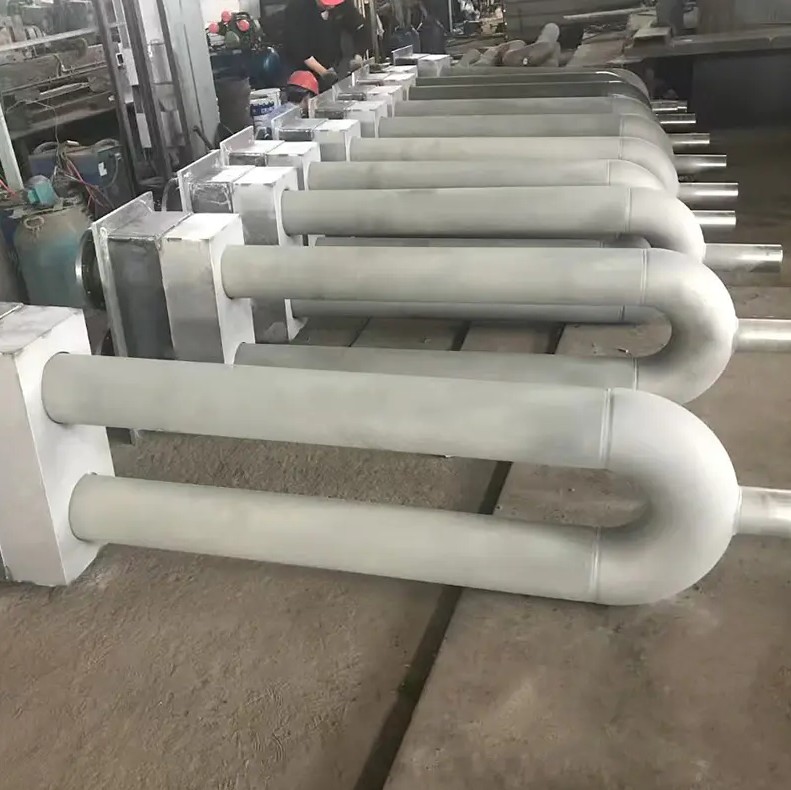
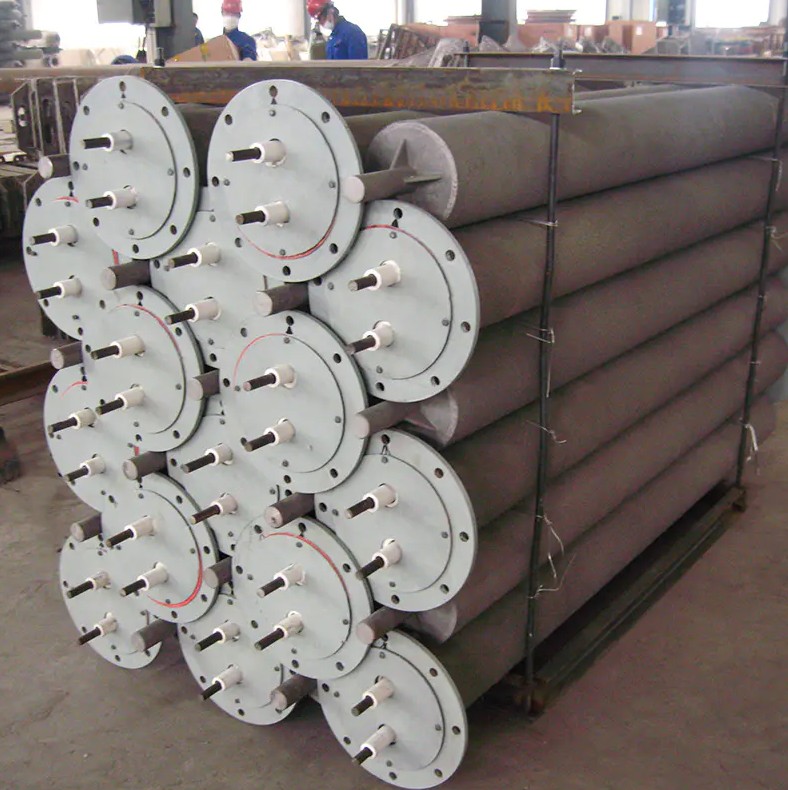
A radiant tube works by converting electrical resistance energy or combustion heat into infrared thermal radiation through a sealed outer tube, transferring that heat uniformly to the surrounding wor...
The fundamental difference between a radiant tube and a convection tube lies in how heat is transferred from the tube to the surrounding process or load. A radiant tube transfers heat primarily throu...
A radiant tube is a sealed, indirect heating element used in industrial furnaces and heat treatment equipment to transfer heat to the workpiece or furnace atmosphere without any direct contact betwee...
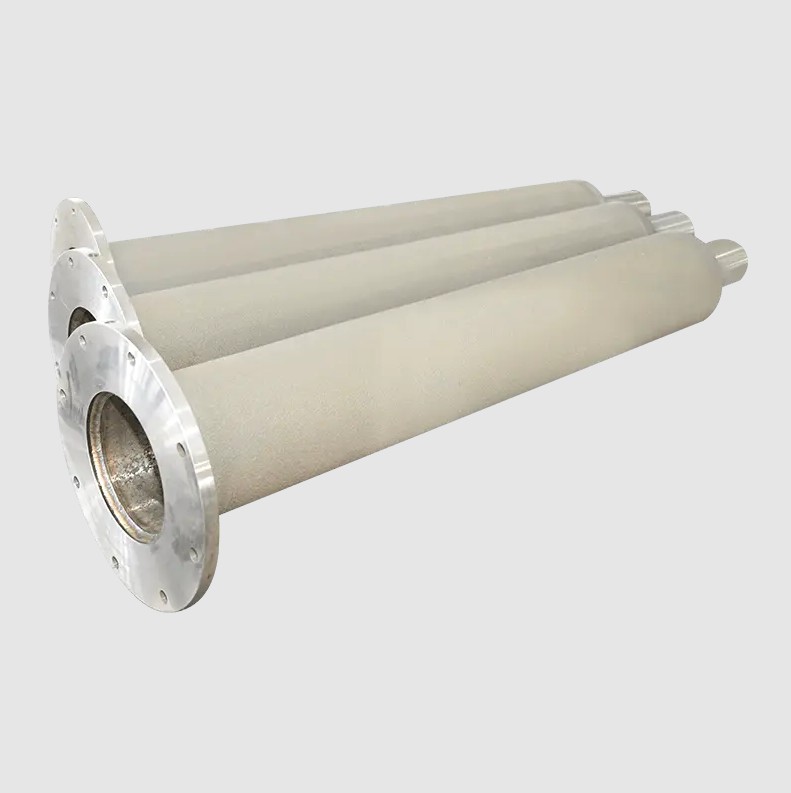
A furnace roller — also called a furnace roll — is a rotating cylindrical component installed inside industrial continuous furnaces to support, convey, and transport materials (such as steel strips, ...
High-temperature alloy rods — commonly referred to as superalloy rods or master alloy bars — are precision-engineered metallic materials based on nickel, cobalt, or iron that are capable of sustainin...
1. Core Knowledge Overview
High-temperature alloy rods are precision-engineered metal bars designed to retain strength, resist oxidation, and maintain dimensional stability at elevated temperatures. T...
1. Overview
Radiant Tubes are high-temperature, indirect heating elements commonly used in industrial furnaces and heat treatment processes. They consist of a heating source (such as a gas burner or e...
1. Overview of Furnace Rolls
Furnace Rolls are specialized components used in high-temperature industrial processes such as annealing, continuous galvanizing, and steel rolling. These rolls are engine...
Heat-resistant steel precision castings refer to steel components designed to operate under high-temperature conditions. The development of these castings is closely tied to technological advancements...