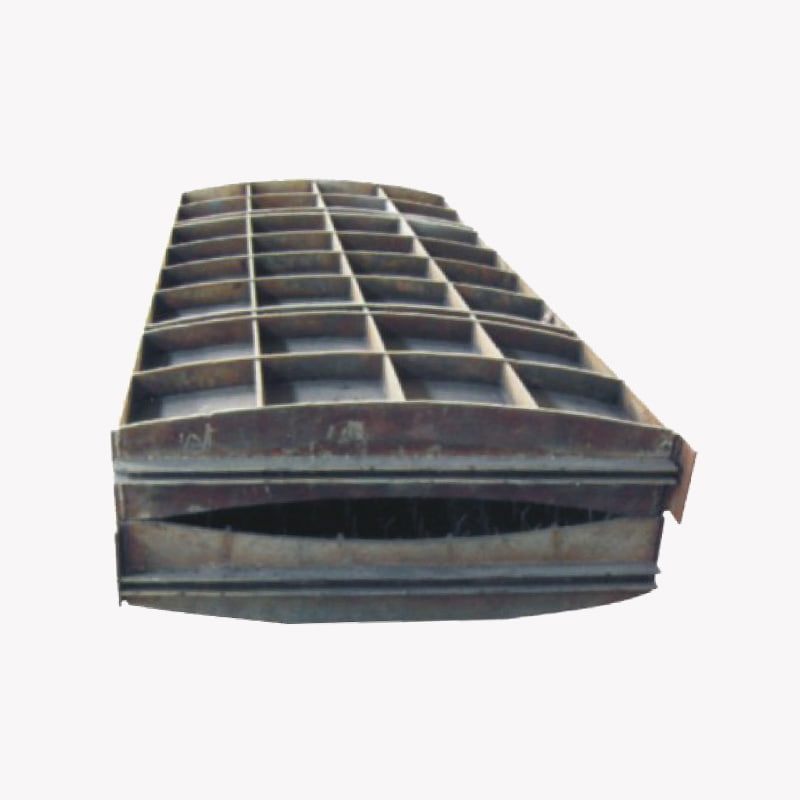
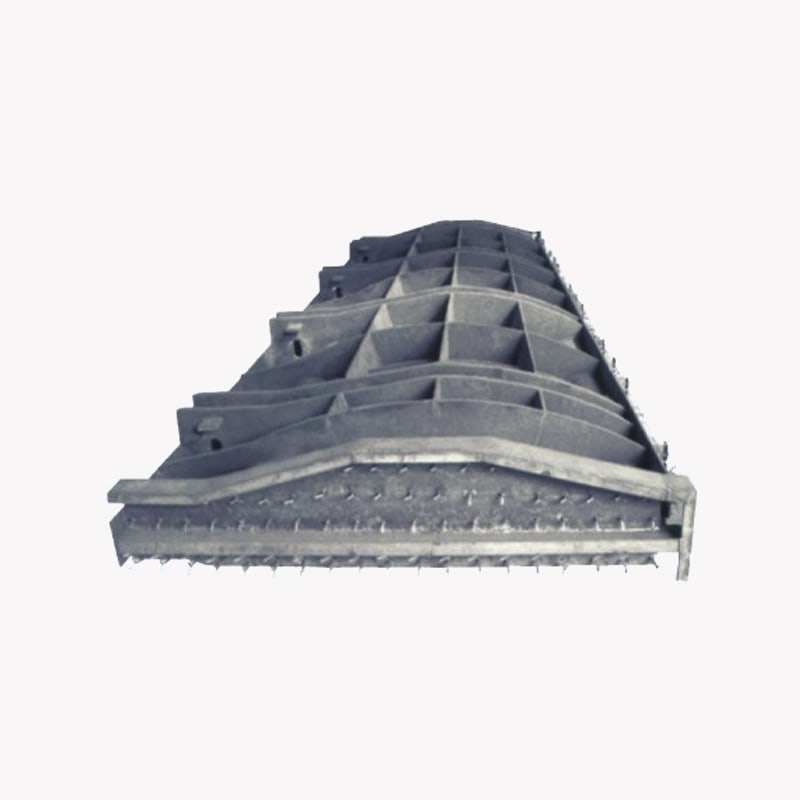
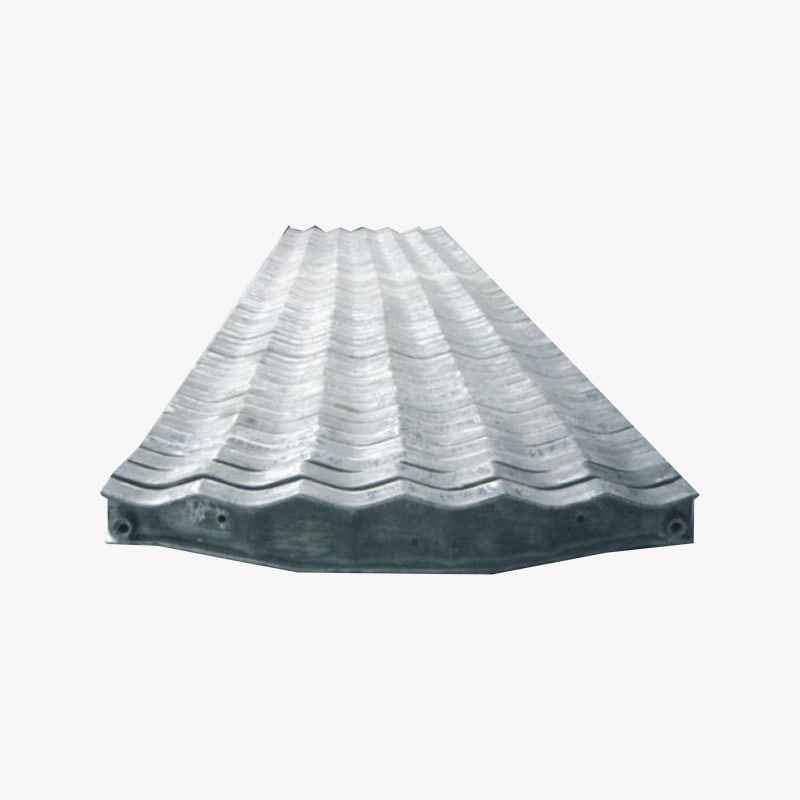
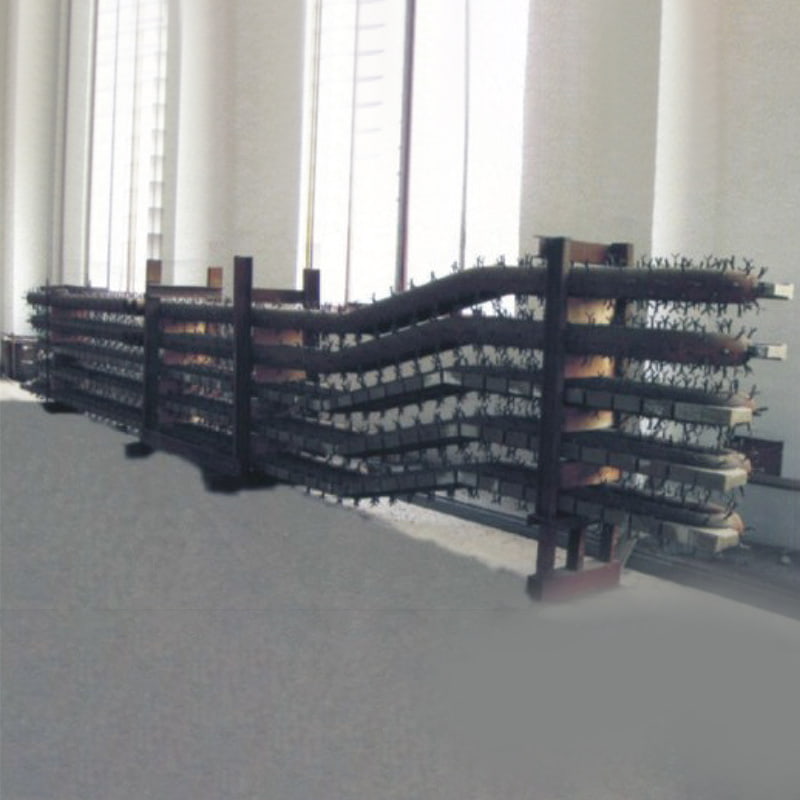
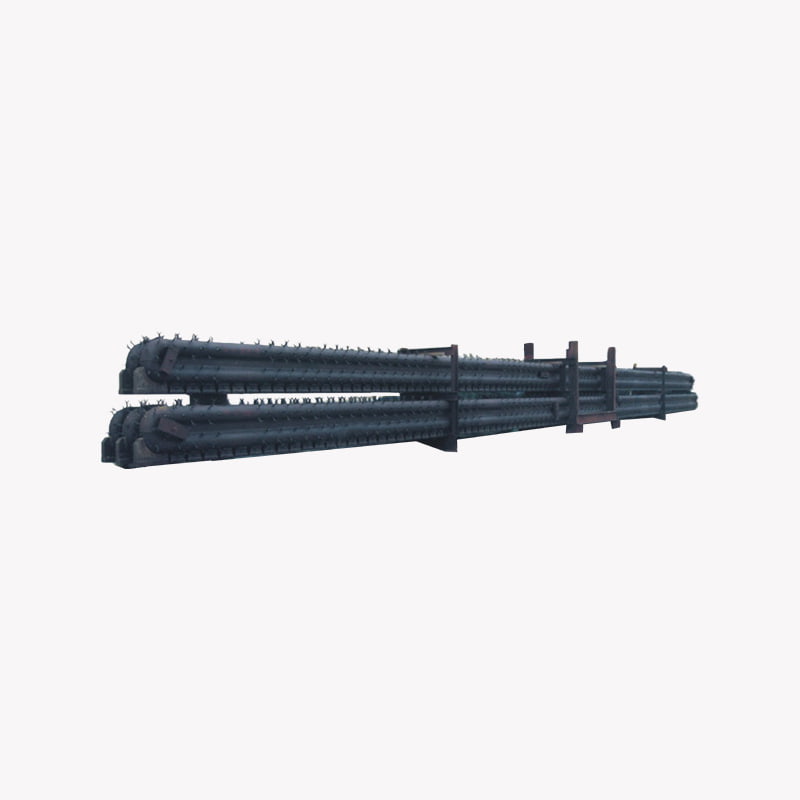
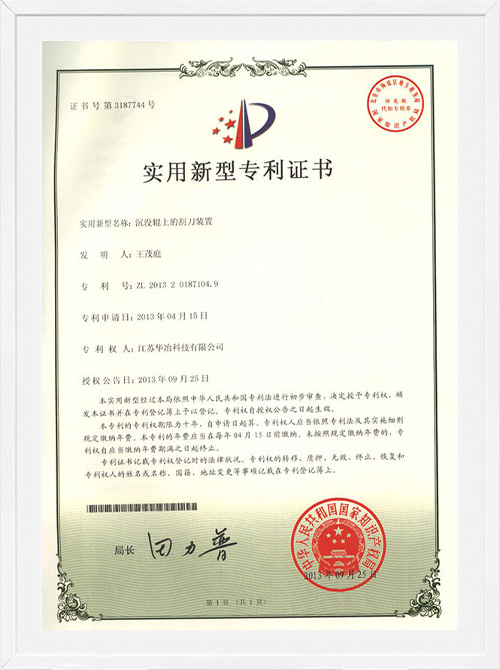
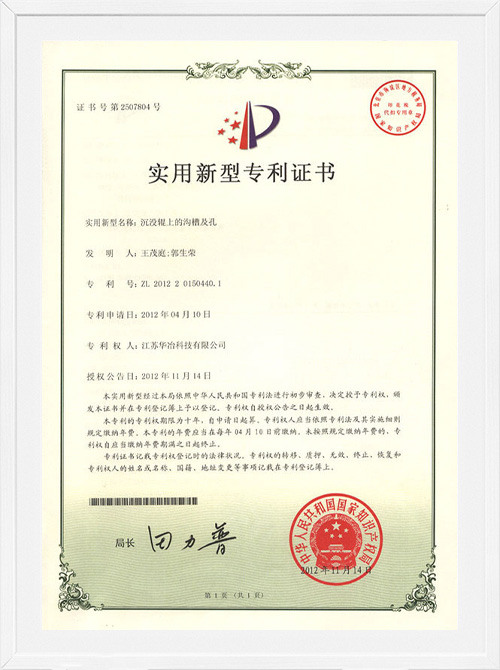
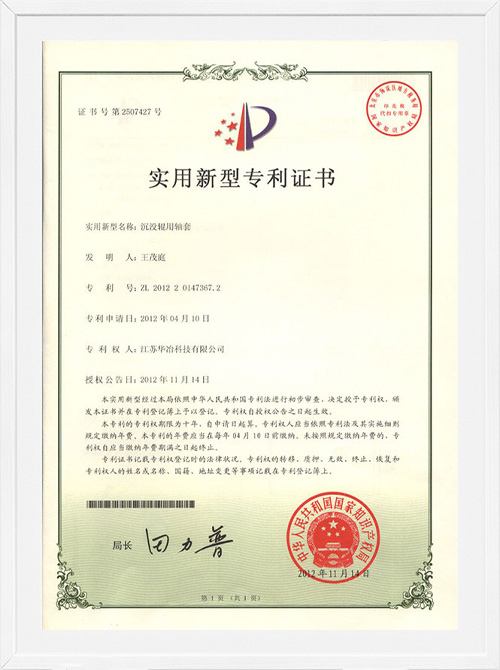
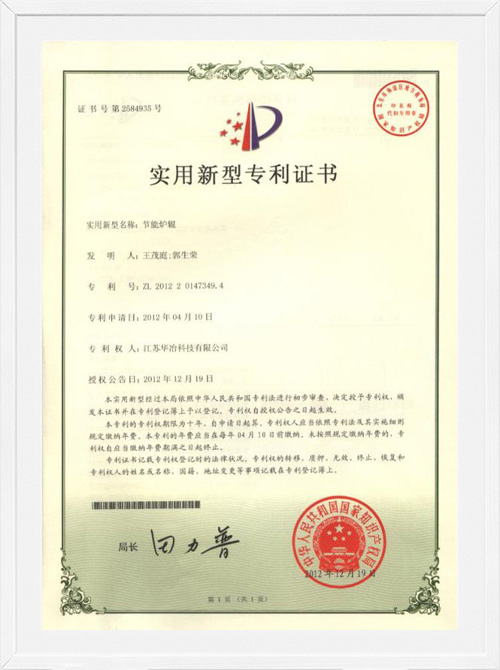
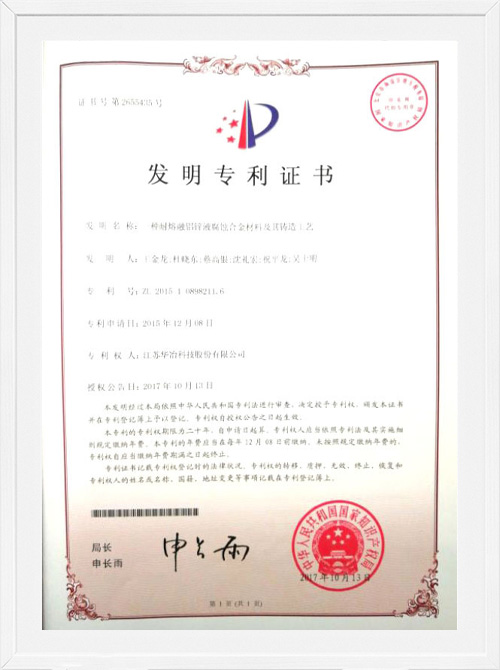
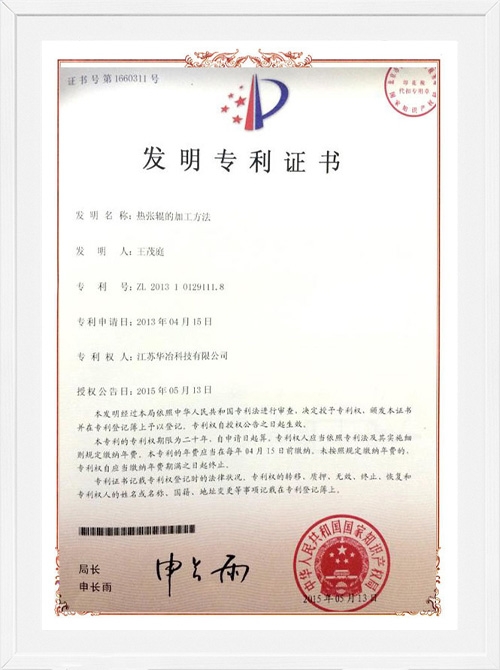
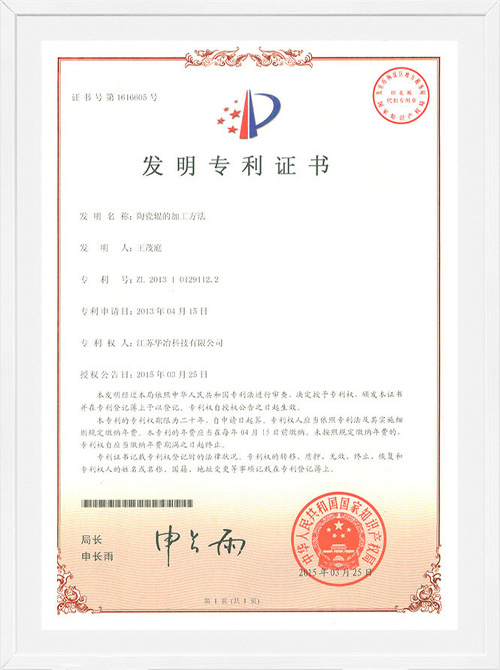
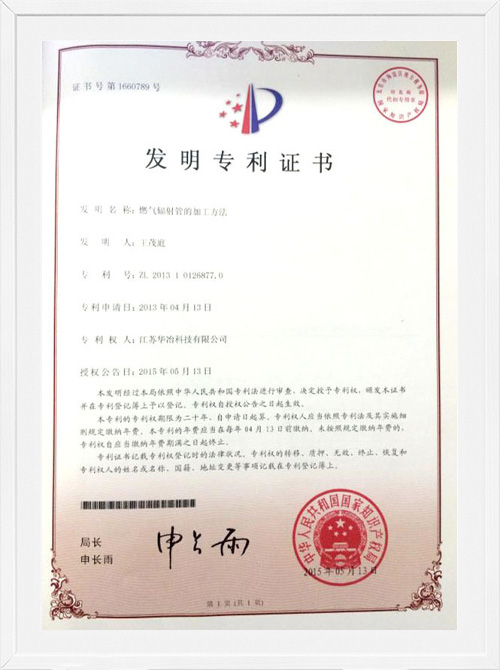
In the fields of modern metallurgy, heat treatment, and heavy equipment manufacturing, Walking Beams and Large Anchor Welded Assemblies constitute the physical backbone of industrial furnaces and high-temperature conveying systems. Leveraging its deep technical expertise across sectors such as electric power, petrochemicals, mining, and aerospace, Jiangsu Huaye Technology Co., Ltd. seamlessly integrates precision welding processes with structural mechanics to deliver highly stable, critical components for a diverse range of industries.
I. Functional Structure and Mechanical Principles of Walking Beam Systems
The walking beam serves as the core moving mechanism within walking-beam heating furnaces, primarily utilized for the precise conveyance of slabs, billets, or tubes within high-temperature environments. The quality of its design and manufacturing directly impacts the uniformity of material heating and the operational continuity of the production line.
Synchronized Displacement Mechanism: Through a complex system of mechanical linkages or hydraulic drives, the walking beam executes a cyclical motion sequence involving lifting, advancing, lowering, and retracting. This "stepping" mode of conveyance effectively eliminates friction between the material and the fixed structures of the furnace hearth, thereby preserving the surface quality of the material being processed.
High-Temperature Load-Bearing Framework: As a welded assembly, the walking beam is required to support workpieces weighing anywhere from tens to hundreds of tons. When fabricating such structures, Jiangsu Huaye Technology places a strong emphasis on stress relief within the welded joints and resistance to high-temperature creep, ensuring that the beam body remains free from permanent deformation even when subjected to severe fluctuations in temperature.
Integrated Cooling Circulation: To ensure long-term operational longevity within furnace environments where temperatures frequently exceed 1000°C, walking beams typically incorporate internal water-cooling or air-cooling systems. The welding assembly process must guarantee the absolute leak-tightness of these internal fluid channels to prevent the escape of cooling media—a potential safety hazard.
II. Key Technical Considerations for Large Anchor Welded Assemblies
Anchor assemblies serve as the critical link connecting the refractory lining of a furnace to its external metal shell. Large anchor welded assemblies are required not only to provide physical structural support but also to withstand complex thermal stress fields and chemical corrosion.
Flexible Accommodation of Thermal Expansion and Contraction: The refractory lining within large-scale industrial furnaces is massive in volume, and its coefficient of thermal expansion differs significantly from that of the surrounding metal framework. The design philosophy behind large anchor welded assemblies centers on providing sufficient anchoring force while simultaneously—through a carefully engineered distribution of welds—absorbing and accommodating the differential displacements that arise between these dissimilar materials.
Oxidation Resistance and Corrosion Resistance: In petrochemical and heat treatment environments, the surrounding atmosphere frequently contains corrosive gases such as sulfur and phosphorus. Regarding component material selection and surface treatment processes, Jiangsu Huaye Technology strictly implements specialized protocols tailored to severe operating conditions, thereby extending the effective service life of the anchoring system.
Integrity of Welded Joints: Large-scale anchoring components often involve the welding of dissimilar steels or thick plates. The stability of these components hinges upon the degree of root fusion and the tensile strength of the weld seam—serving as the critical line of defense to prevent refractory bricks from dislodging or the furnace lining from collapsing.
III. Matching Table: Key Components and Industry Applications
To address the specific operational requirements of various industries, the technical parameters and design priorities for walking beams and anchoring components vary accordingly.
| Application Industry |
Focus of Beam/Anchor Assemblies |
Core Environmental Challenges |
Jiangsu Huaye Technology Solutions |
| Metallurgical Industry |
Heavy-duty transport; high-precision positioning |
Extreme mechanical loads; high-temperature radiation |
Reinforced box-type welded structures; high-precision trajectory control systems |
| Aerospace |
Heat treatment precision; alloy material compatibility |
Stringent temperature curves; vacuum or inert gas environments |
Specialized stainless steel welding; micro-deformation control techniques |
| Petrochemical & Power |
High-temperature corrosion resistance; long-term anchoring |
Highly corrosive media; frequent thermal shocks |
High chromium-nickel alloy anchors; advanced anti-oxidation coating technology |
| Hot-Dip Galvanizing |
Structural airtightness; zinc pot corrosion resistance |
Molten metal erosion; intensive thermal stress cycles |
Zinc-resistant specialized materials; hermetic sealing welding processes |
IV. Quality Control Logic in the Manufacturing Process
The fabrication of walking beams and their large-scale welded anchor assemblies is not merely a simple physical joining process; rather, it represents a comprehensive application of materials science and heat treatment metallurgy.
Stress Control Processes: Large welded components inevitably generate significant residual stresses following welding. Through scientifically designed preheating and Post-Weld Heat Treatment (PWHT) procedures, Jiangsu Huaye Technology stabilizes the internal microstructure of the assemblies, thereby preventing brittle fracture under high-load operating conditions.
Geometric Tolerance Compensation: Walking beams often span lengths of several tens of meters; consequently, the cumulative effects of welding deformation can lead to deviations in the conveying trajectory. During the assembly phase, laser trackers are employed for real-time monitoring. By utilizing symmetrical welding techniques and incorporating appropriate process allowances, we ensure the precise linearity and parallelism of the finished assemblies.
Leakage Testing: For walking beams equipped with internal cooling systems, rigorous pressure decay tests or Non-Destructive Testing (NDT)—such as Radiographic Testing (RT) or Ultrasonic Testing (UT)—are mandatory to ensure that every weld seam can withstand the rigors of pressure cycling.
V. Frequently Asked Questions (FAQ)
Q1: What causes vibration or unstable operation in a walking beam during operation?
A: This typically stems from two primary factors: First, synchronization deviations within the mechanical transmission system; second, thermal deformation of the walking beam's welded assembly—resulting from prolonged heat exposure—that exceeds the design's allowable limits. Through structural optimization, Jiangsu Huaye Technology has enhanced the torsional rigidity of the beam body, thereby effectively mitigating vibrations caused by structural instability.
Q2: Why are welded anchor assemblies prone to failure at the weld seams?
A: Due to microstructural non-uniformity, weld seams are highly susceptible to becoming initiation points for thermal fatigue cracks. Excessive welding current or improper control of interpass temperatures can lead to the formation of brittle phases. Selecting compatible filler materials and precisely controlling heat input are the core strategies for enhancing the reliability of these assemblies.
Q3: How should a walking beam's cooling system be designed to prevent localized overheating?
A: The key design priority is ensuring a uniform flow velocity distribution within the internal fluid channels. Within the welded assembly, "dead zones" (stagnant fluid pockets) must be avoided. Furthermore, Computational Fluid Dynamics (CFD) simulations are utilized to validate the design, ensuring that all heat-exposed surfaces remain under effective cooling coverage at all times.
Q4: How does Jiangsu Huaye Technology guarantee the quality of components supplied to high-end sectors, such as the aerospace industry?
A: Adhering to a philosophy of "pragmatism and innovation," the company utilizes specialized welding laboratory data support for special materials—such as high-temperature alloys and titanium alloys—and integrates rigorous non-destructive testing standards to ensure that every component leaving the facility complies with specific industry standards.
 No. 308, Gongxin Road, Industrial Park, Dongxing Town, Jingjiang City, Jiangsu Province, China
 English
 Español
 русский
 中文简体
中文简体