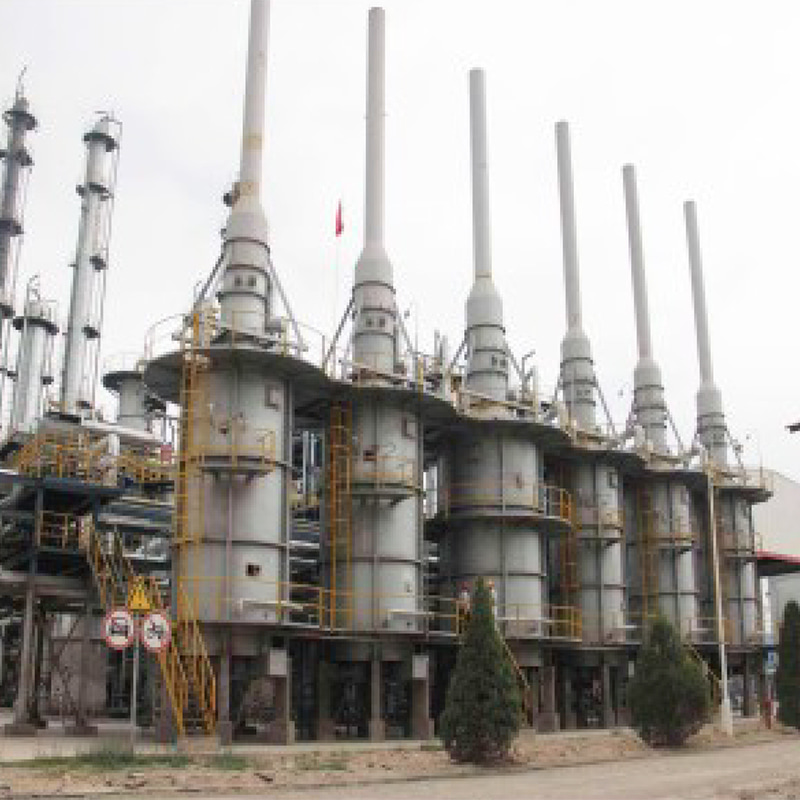
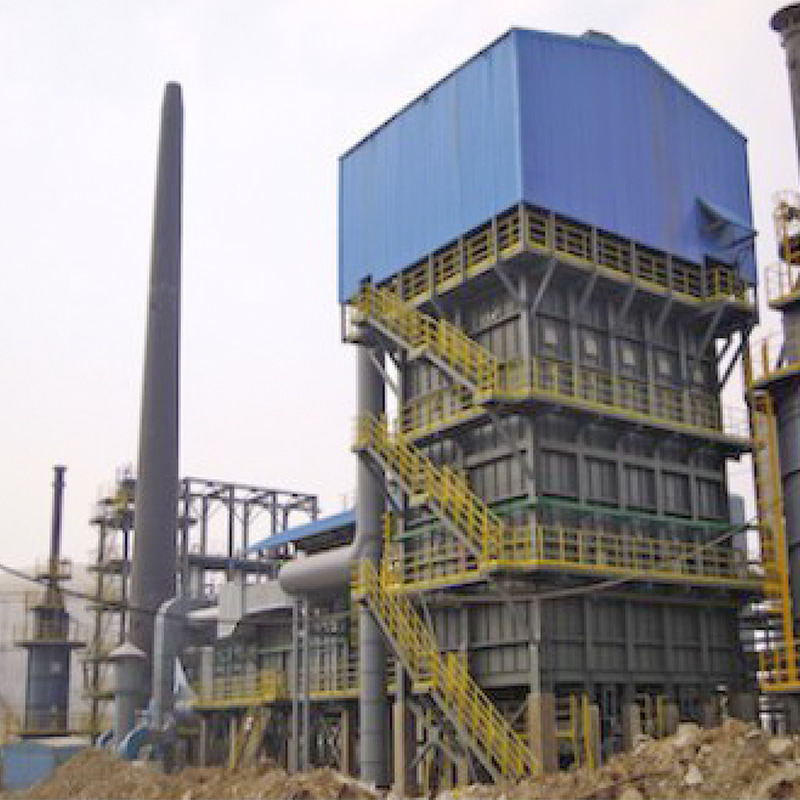
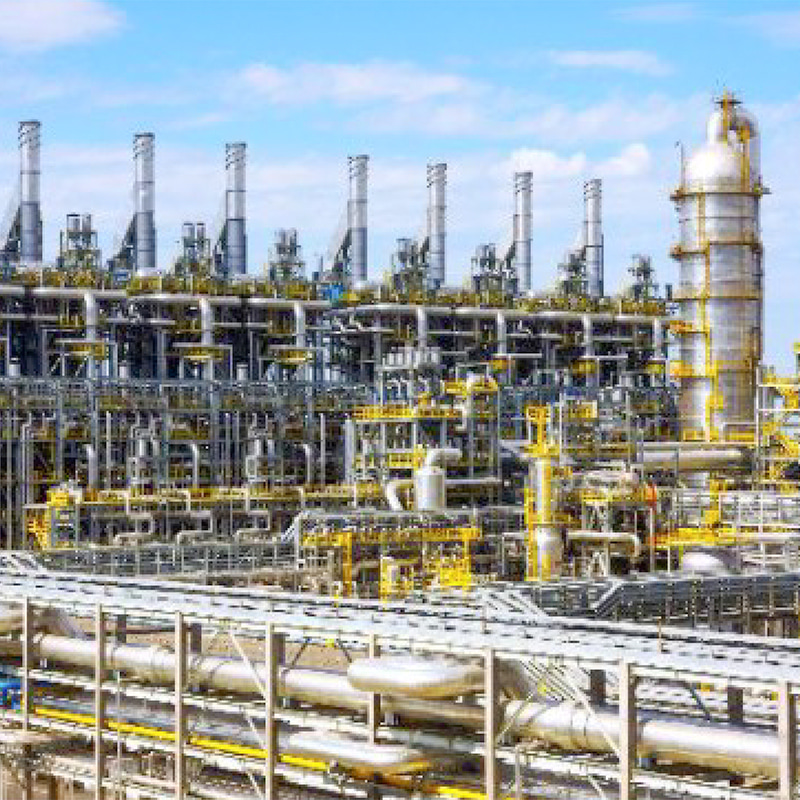
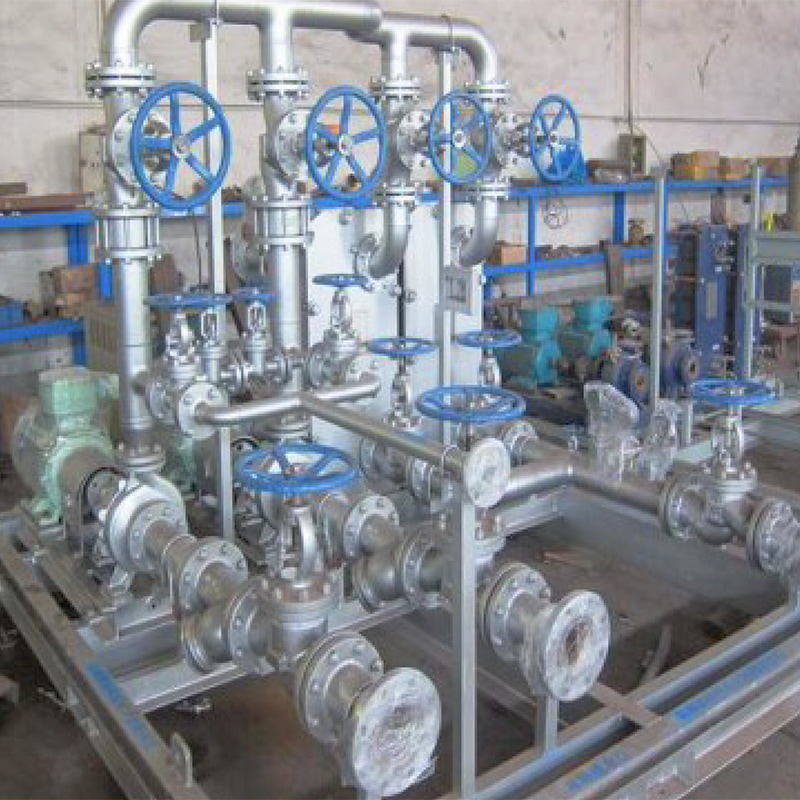
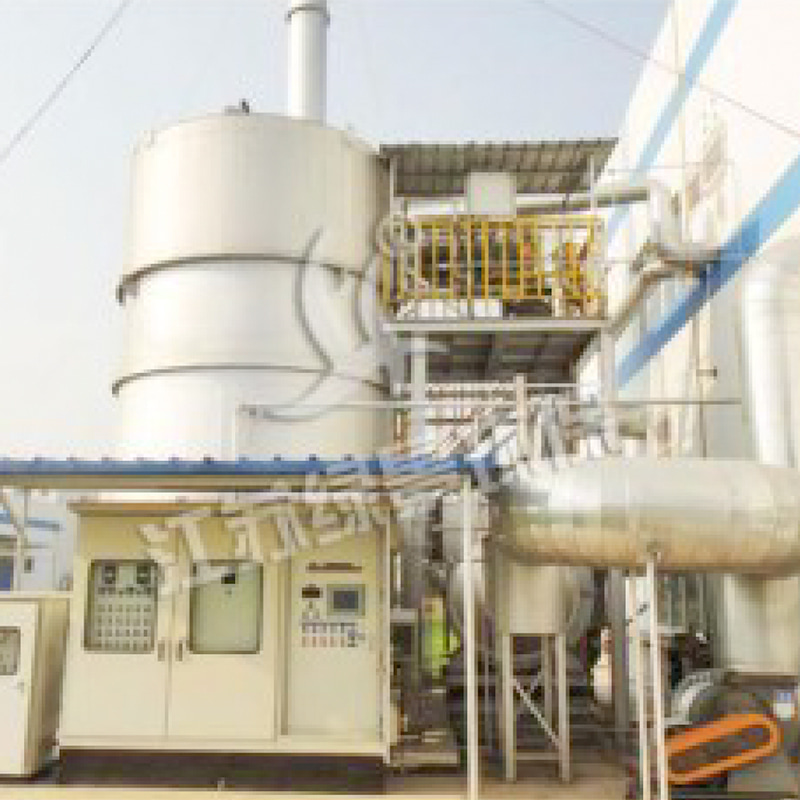
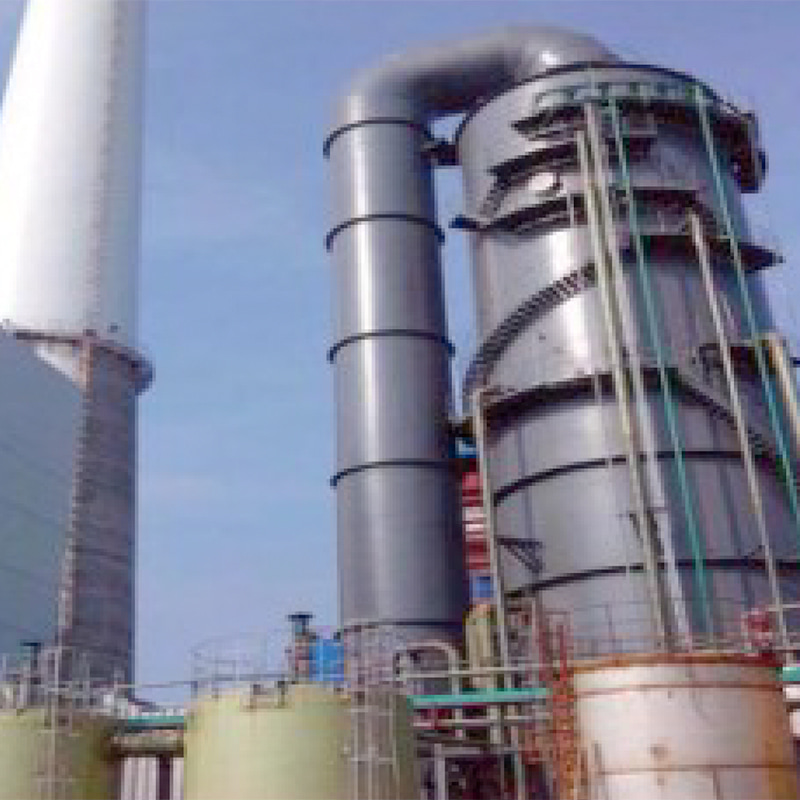
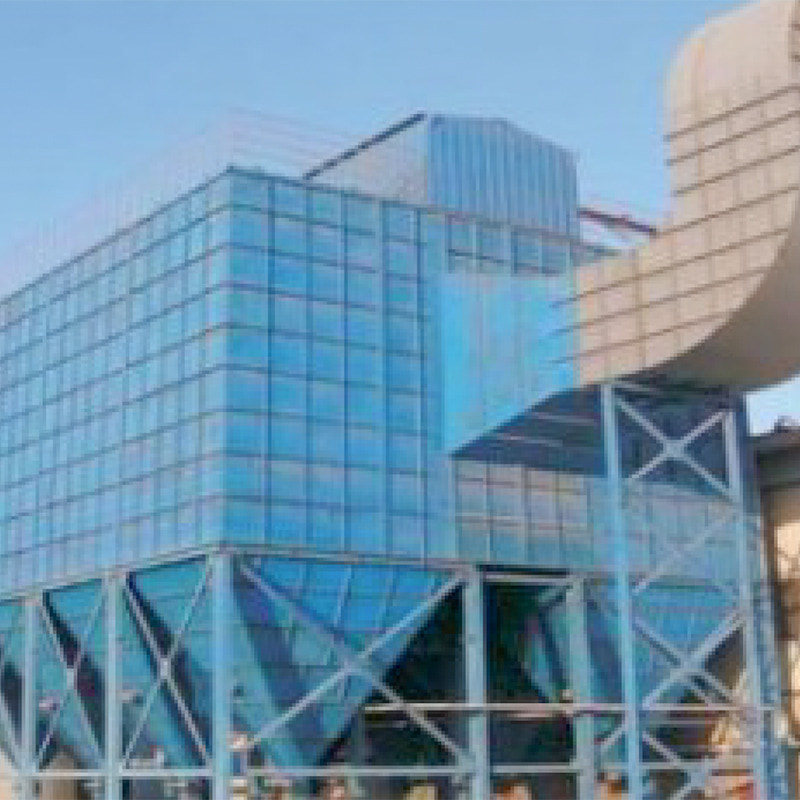
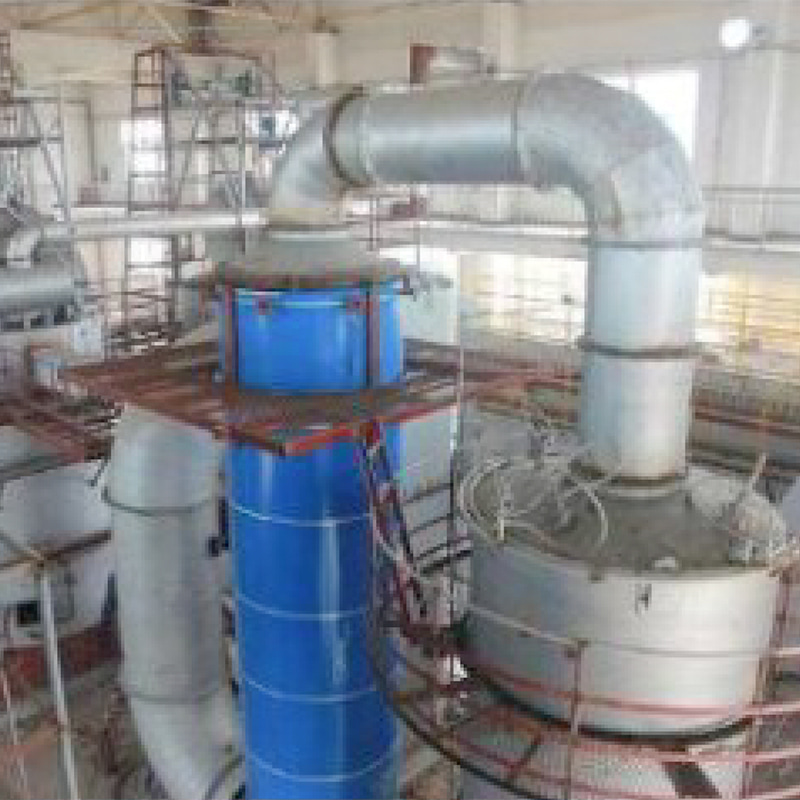
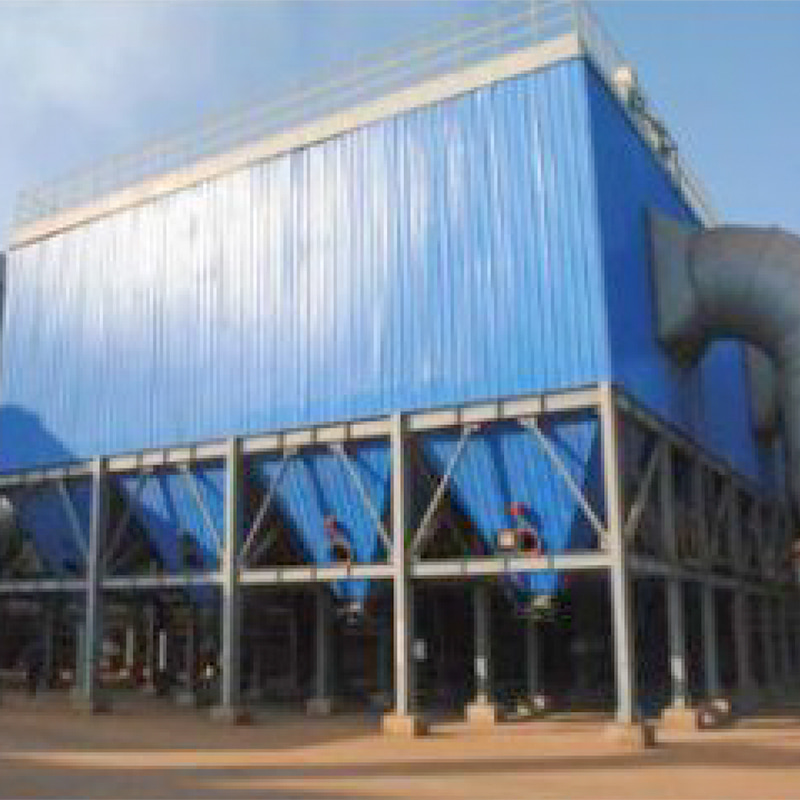
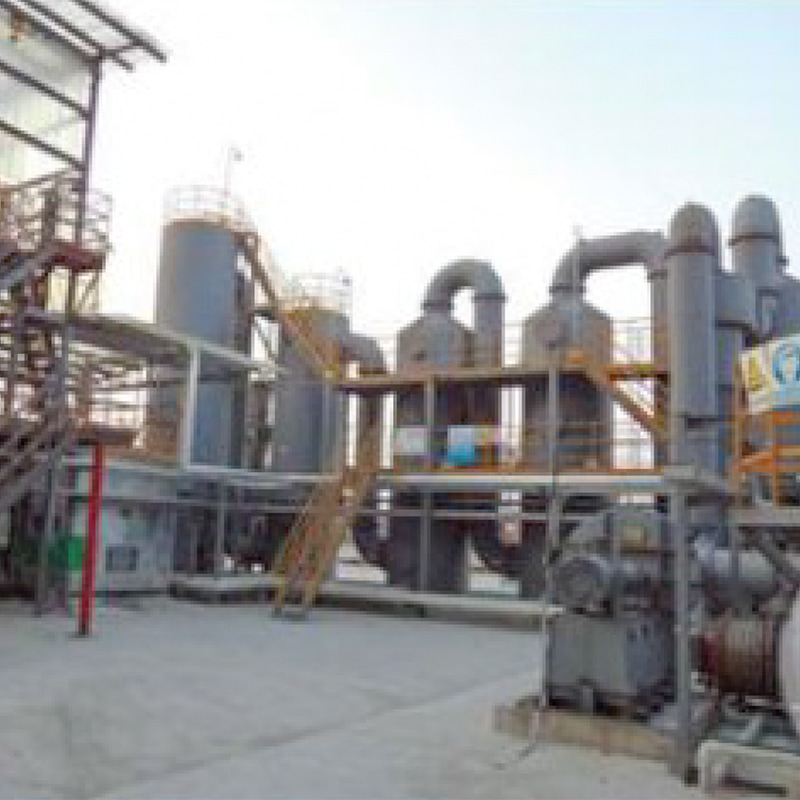
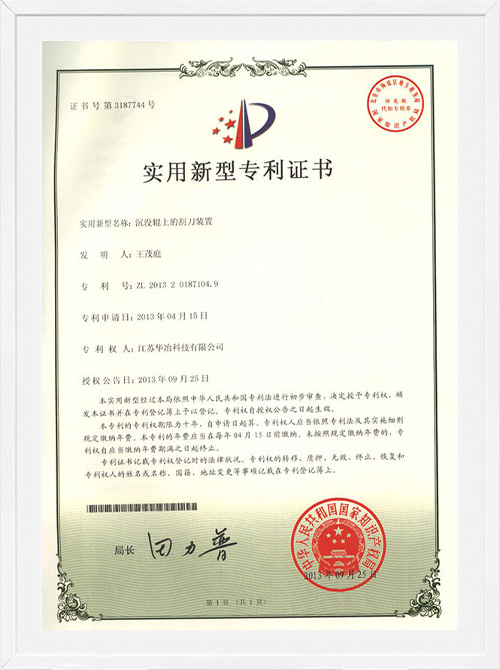
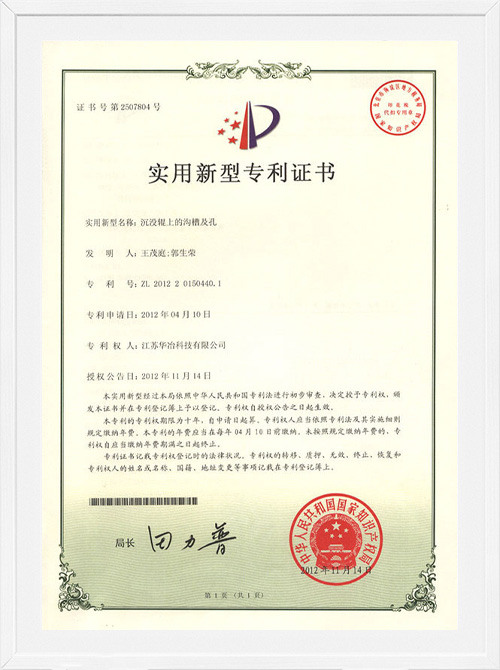
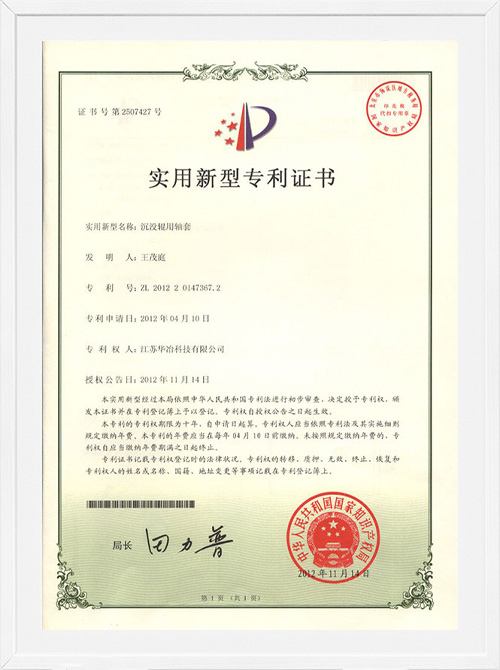
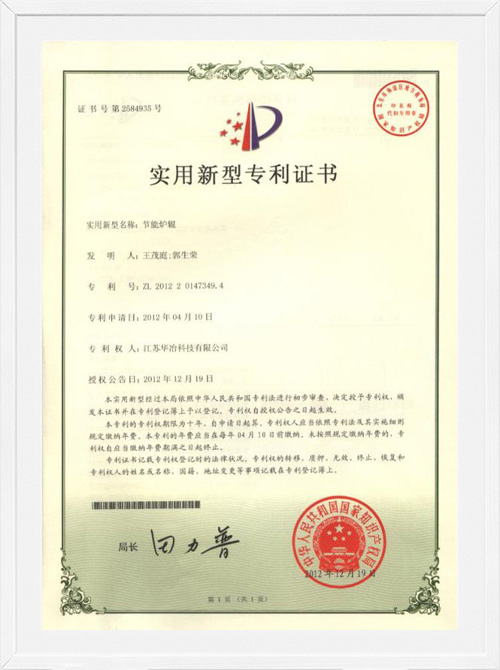
In the realm of modern industrial manufacturing, a **Complete Equipment Set** is not merely a haphazard assembly of machinery, but rather a highly integrated production ecosystem. It encompasses the entire process flow—from raw material input to finished product output—and involves the interdisciplinary convergence of mechanical design, automation control, fluid dynamics, and materials science.
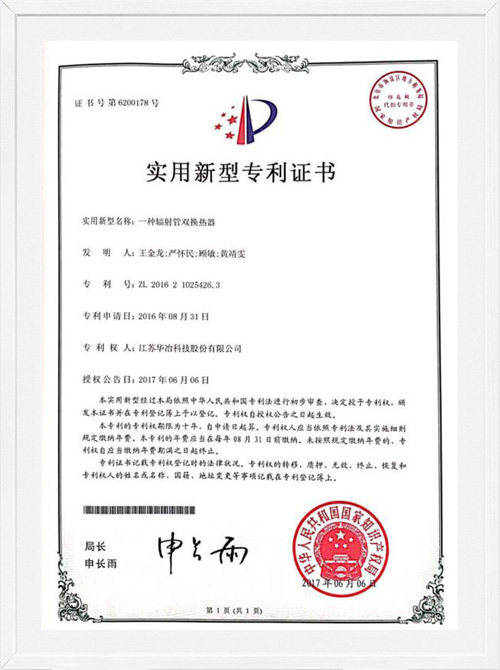
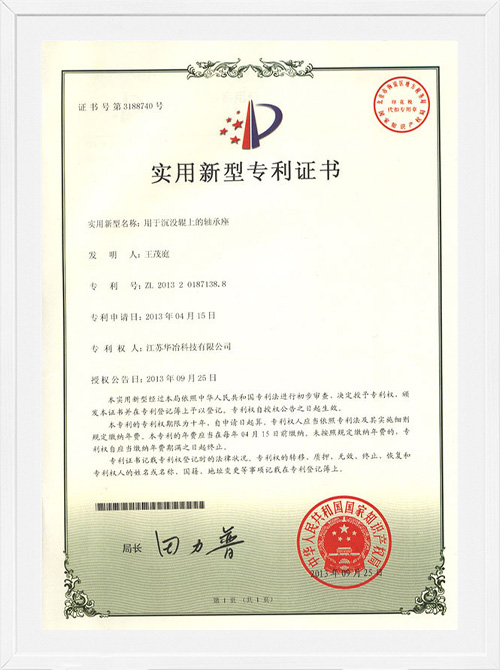
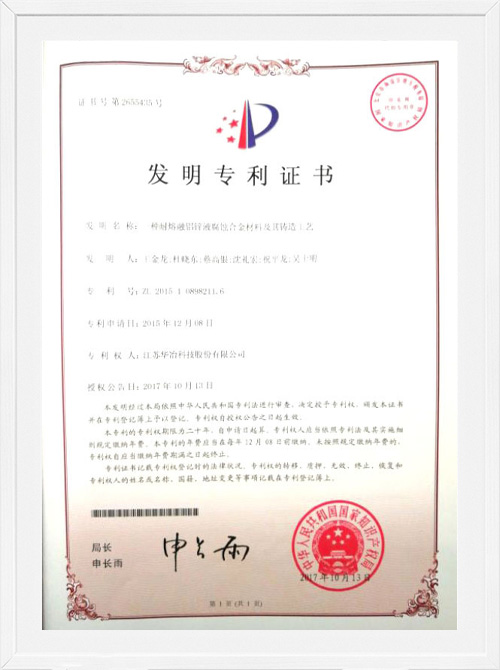
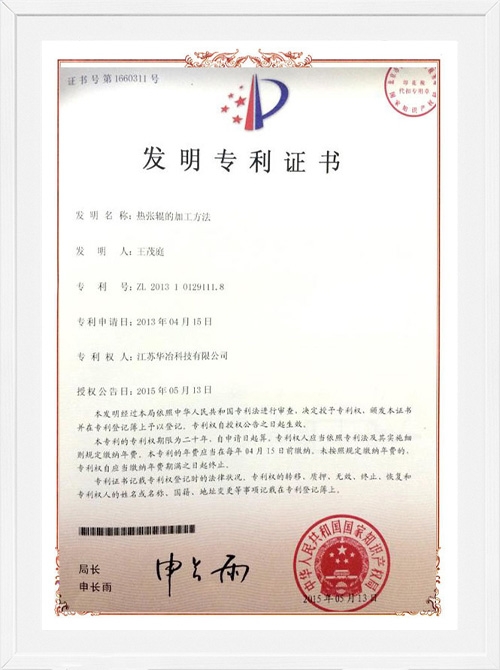
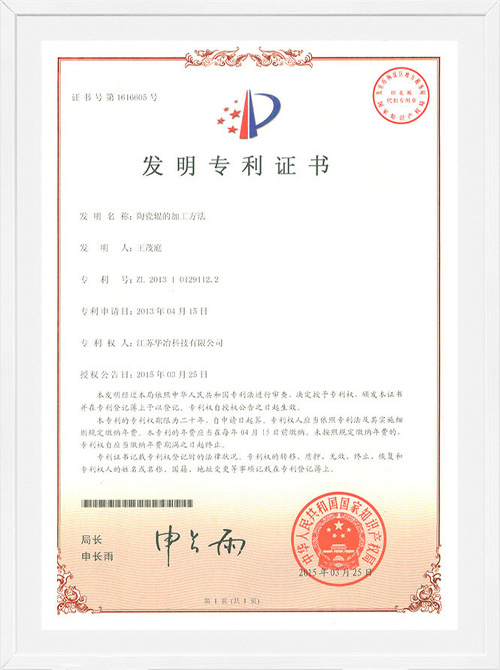
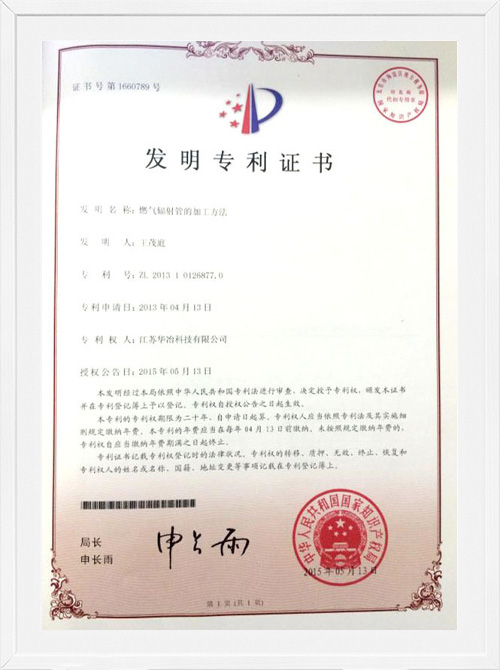
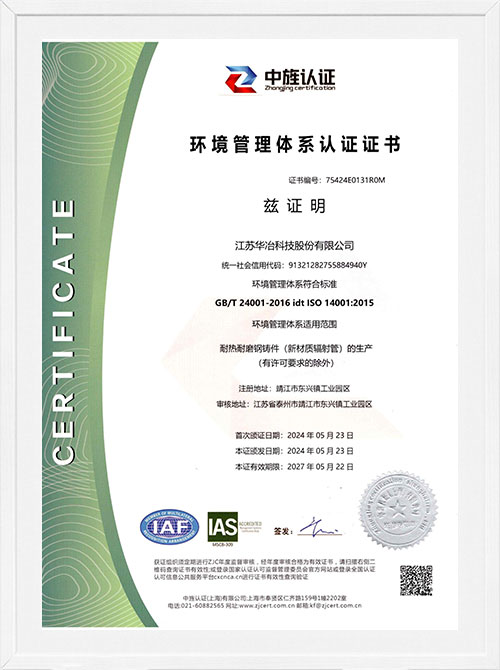
As a technical entity with years of deep expertise in the industrial sector, **Jiangsu Huaye Technology Co., Ltd.** leverages a rigorous quality assurance system to translate complex process requirements into highly stable engineering practices. Operating within the framework of the ISO 9001 Quality Management System, the R&D and manufacturing of complete equipment sets are broken down into precisely controlled process units, ensuring a high degree of consistency at every technical milestone—from initial design blueprints to final production line delivery.
I. Core Technical Architecture of Complete Equipment Sets
The core value of a complete equipment set lies in its "systemic nature," a characteristic typically manifested across the following key dimensions:
Integrated Process Chain
The primary feature of a complete equipment set is the integration of disparate, standalone machine functions into a continuous operational workflow. Through precise calculations of production timing, seamless transitions between various workstations are achieved. When planning such systems, Jiangsu Huaye Technology places a strong emphasis on balancing energy conversion efficiency with material handling logistics, thereby ensuring that the entire production line operates without encountering any process bottlenecks.
Automated Control Hub
Modern industrial equipment sets are typically outfitted with advanced logic control units. This encompasses not only basic start-stop logic but also sophisticated feedback control driven by arrays of sensors. The system is capable of real-time monitoring of physical parameters—such as pressure, temperature, and displacement—and performs dynamic adjustments based on preset technical specifications; this inherent stability serves as the core embodiment of process control within Jiangsu Huaye Technology’s manufacturing workflows.
Modularity & Scalability
To effectively address the ever-changing demands of the industrial landscape, complete equipment sets are designed with a modular architecture. Each functional module undergoes independent validation, allowing it to operate either as a standalone unit or to be rapidly integrated into a larger-scale production line. This design approach not only simplifies future maintenance tasks but also provides built-in interfaces to facilitate future capacity upgrades for the enterprise.
Structural Rigidity & Material Durability
In heavy industrial applications, the fatigue strength of the equipment serves as the direct determinant of its operational lifespan. The frame and core components of the complete equipment set undergo rigorous stress analysis. Jiangsu Huaye Technology's accumulated expertise in material selection and heat treatment processes ensures that the equipment maintains its geometric precision even during prolonged, high-load operation.
II. Comparison of Key Technical Parameters for the Complete Equipment Set
To provide a more intuitive understanding of the complete equipment’s technical configuration, the table below outlines the core considerations involved in the system integration process:
| Technical Dimension |
Core Description |
Application Objective |
Quality Control Points |
| System Compatibility |
Unified standards for mechanical interfaces and electrical protocols. |
Minimizing system internal friction and ensuring real-time data synchronization. |
Signal attenuation rate testing and protocol handshake verification. |
| Energy Efficiency Ratio (EER) |
Energy consumption metrics per unit of production output. |
Optimizing operational costs and aligning with green manufacturing trends. |
Power system load matching and energy loss analysis. |
| Dynamic Stability |
Amplitude and temperature rise of equipment during high-speed operation. |
Ensuring long-term operational precision and reducing unscheduled downtime. |
Dynamic balance testing and thermal dissipation simulation. |
| Environmental Adaptability |
Protection measures against high temperature, high humidity, and dust. |
Expanding equipment application in extreme industrial scenarios. |
Hermetic sealing integrity and anti-corrosion coating quality. |
III. Quality Stability Control Throughout the Entire Production Process
The successful delivery of a complete equipment set relies not only on the design but, more critically, on the quality control implemented during the production process. The system established by Jiangsu Huaye Technology Co., Ltd. essentially embeds quality control into every single "workstation":
Pre-production Auditing and Verification: During the initial stages of production, raw materials undergo an in-depth analysis of their physical properties to ensure strict compliance with industrial-grade stress and durability standards.
Process Parameter Monitoring: During the machining phase, precision measuring instruments are utilized to monitor the form and positional tolerances of workpieces in real-time, thereby eliminating the accumulation of errors.
Integrated Line Commissioning: Before leaving the factory, the complete equipment set must undergo rigorous load simulation testing to verify the collaborative capabilities of all subsystems under extreme operating conditions.
IV. Frequently Asked Questions (FAQ)
Q1: What is the primary difference between purchasing a complete equipment set and purchasing individual machines?
A: A complete equipment set emphasizes a "turnkey" capability—meaning it is ready for immediate production upon delivery. Compared to purchasing individual machines, a complete set resolves the complex integration challenges between different workstations during the design phase itself, thereby avoiding the installation difficulties that often arise later due to incompatible electrical protocols or mechanical interface errors.
Q2: How is the system reliability of a complete equipment set evaluated?
A: Reliability is primarily evaluated based on the Mean Time Between Failures (MTBF). Through standardized operations governed by the ISO 9001 quality management system, Jiangsu Huaye Technology minimizes variables that could compromise reliability—such as assembly errors or electrical interference—thereby enhancing the long-term stability of the entire production line.
Q3: Does modular design compromise the operational precision of the complete equipment set?
A: No, quite the opposite. A high-precision modular design requires that every individual unit meet extremely rigorous standards before leaving the factory. By utilizing standardized locating pins and couplers, the connection precision between modules often exceeds that of traditional monolithic structures, while also facilitating easier calibration during subsequent maintenance.
Q4: What specific maintenance and upkeep requirements apply to industrial equipment sets?
A: Complete equipment sets advocate for "preventive maintenance." Given the high degree of system interconnectivity, wear and tear on a single unit can potentially impact the entire system. Therefore, it is recommended to perform periodic inspections of electrical interlocks, lubrication of transmission components, and software optimization of the control system, based on the equipment's operational cycles.
Q5: How does Jiangsu Huaye Technology ensure consistency in process control across different workstations?
A: This is achieved through our comprehensive and robust quality assurance system. Each workstation is governed by clearly defined technical process specifications, and every operational step is meticulously documented, thereby ensuring full traceability throughout the entire production process. This rigorous documentation mechanism guarantees that a consistent standard of process output is maintained, even across inter-departmental collaborations.
Complete sets of equipment serve not only as the cornerstone of the manufacturing sector but also as a comprehensive embodiment of an industrial enterprise's technical prowess. By deconstructing complex engineering challenges into manageable process units, Jiangsu Huaye Technology Co., Ltd. has successfully delivered highly stable and deeply integrated industrial solutions to clients worldwide. Looking ahead, as smart manufacturing technologies continue to evolve, complete equipment systems will advance toward deeper levels of data integration and autonomous decision-making capabilities; throughout this evolution, a robust quality management system will remain the core driving force underpinning this progress.
 No. 308, Gongxin Road, Industrial Park, Dongxing Town, Jingjiang City, Jiangsu Province, China
 English
 Español
 русский
 中文简体
中文简体