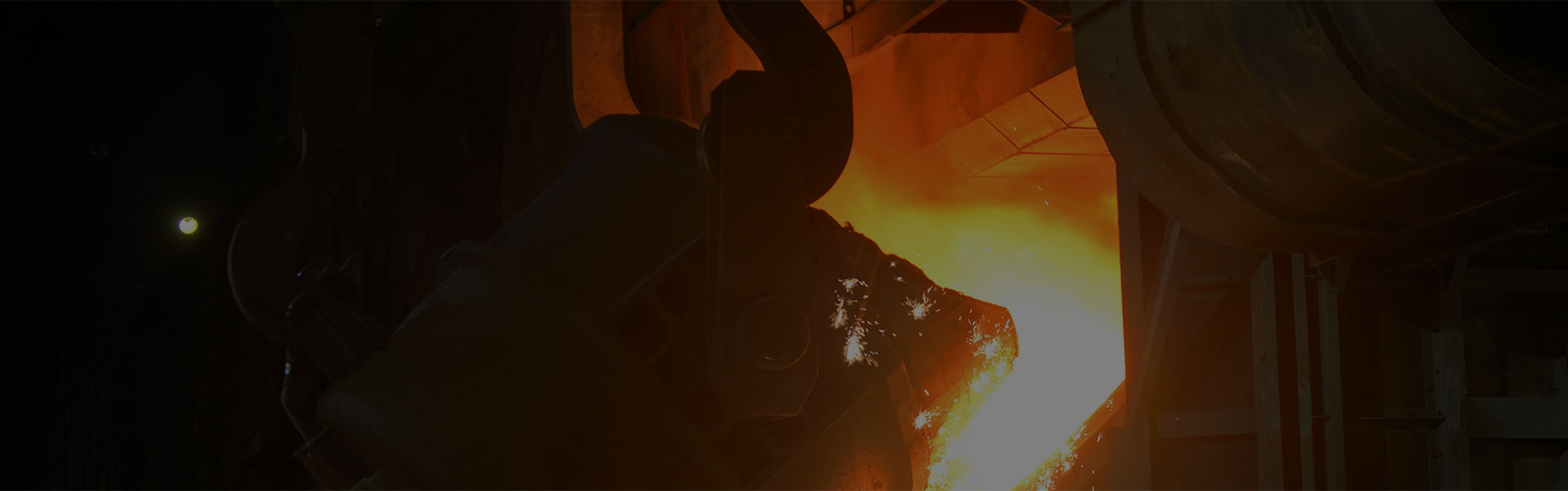
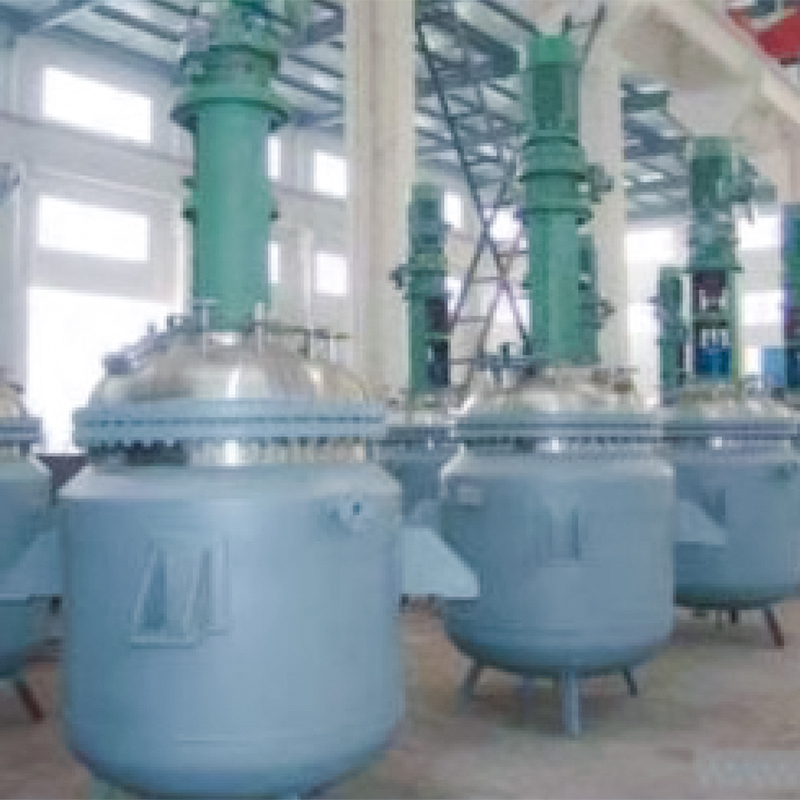
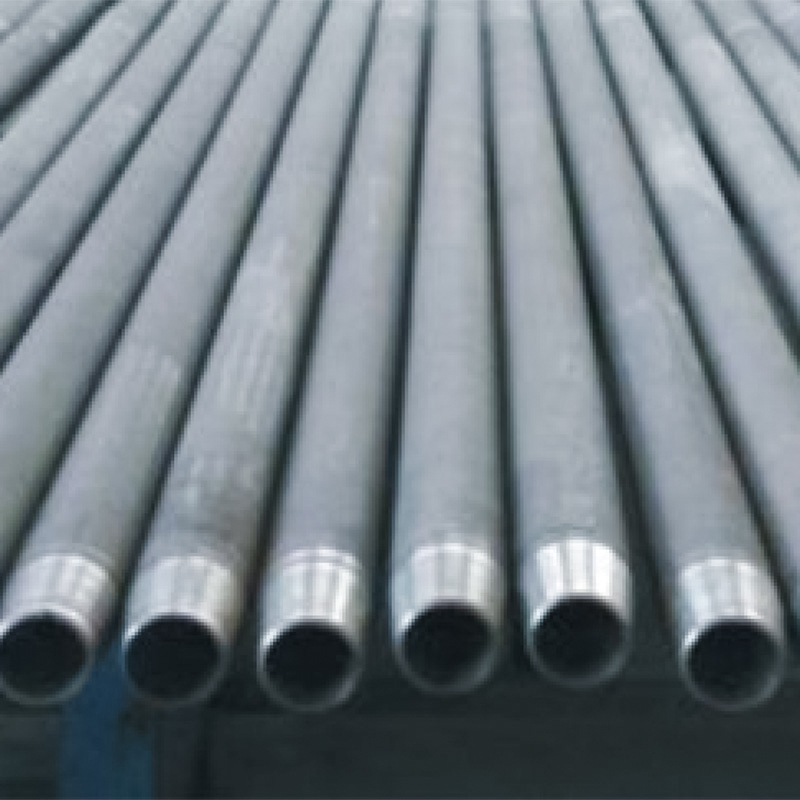
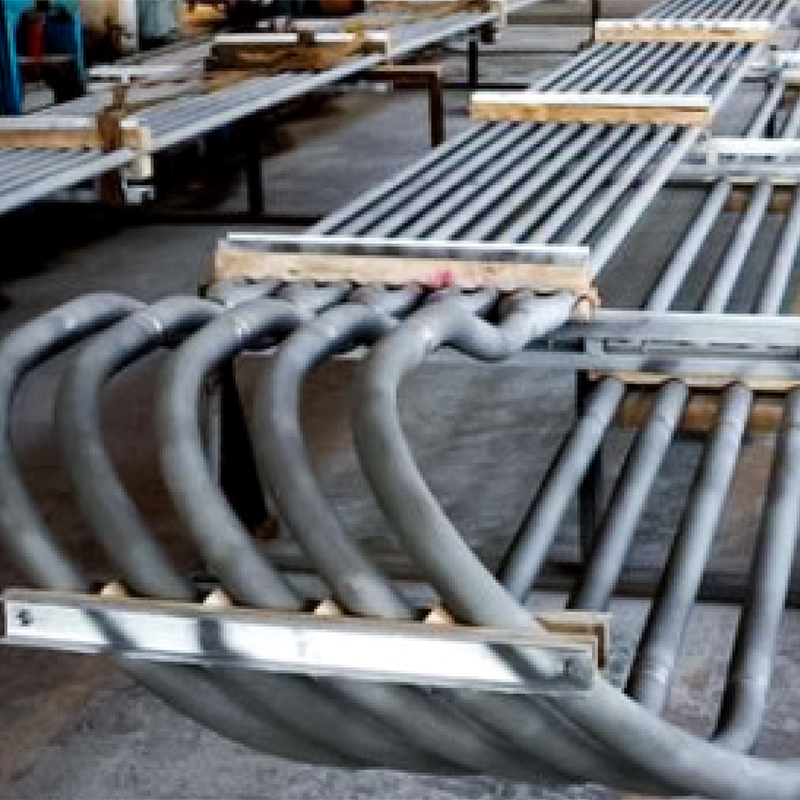
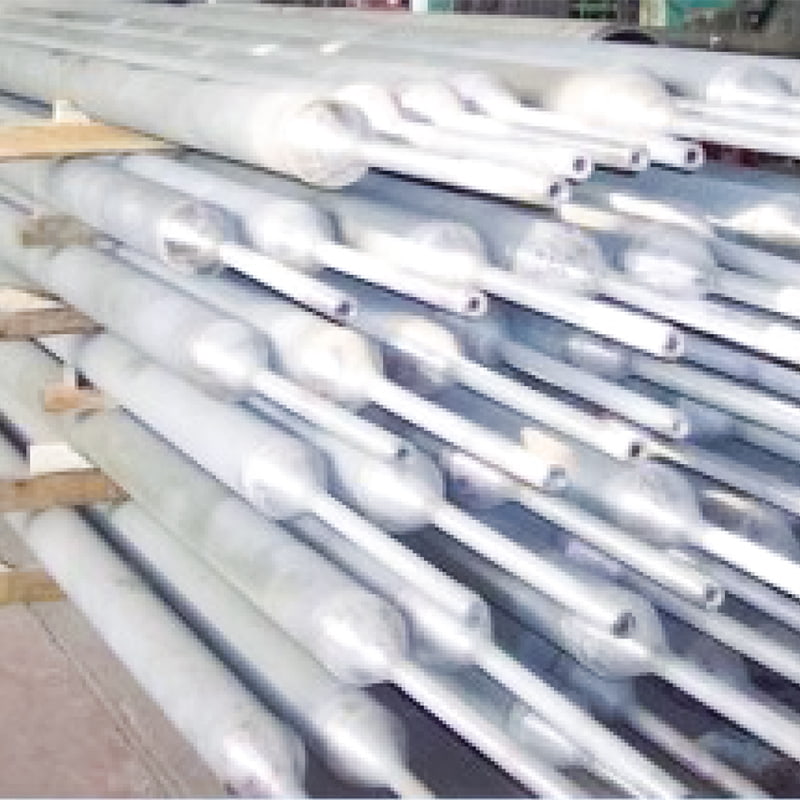
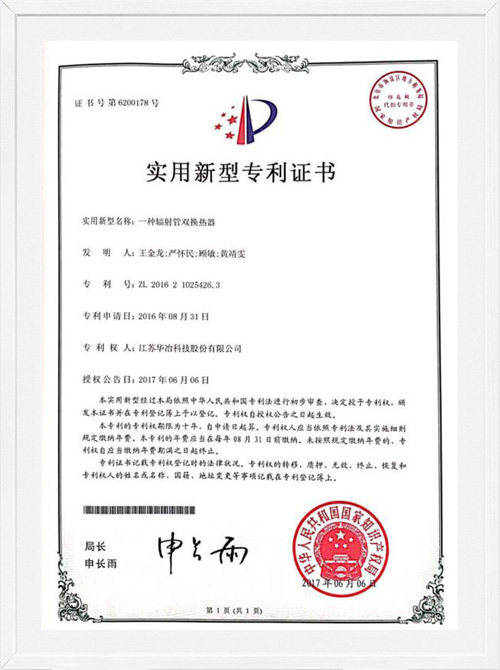
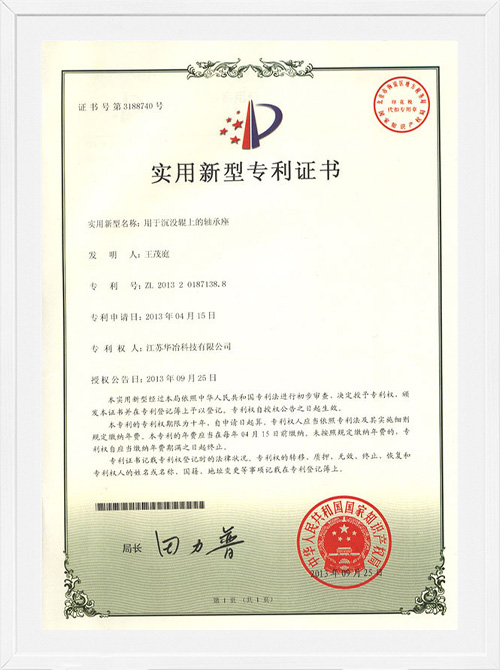
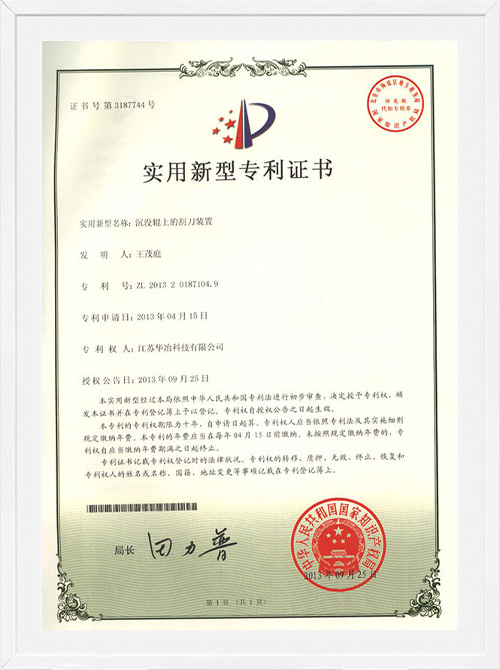
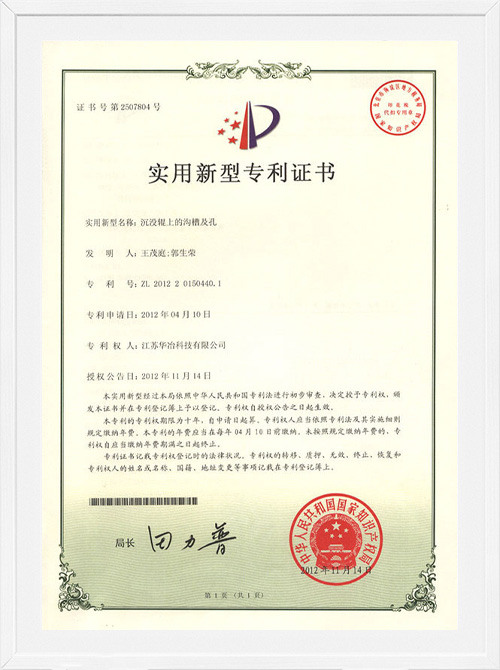
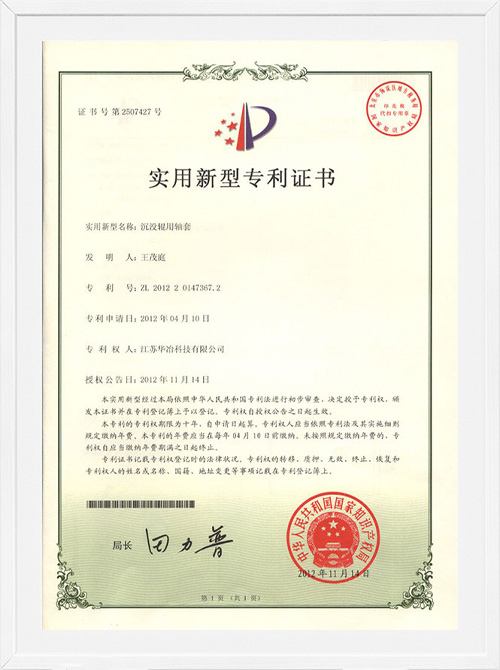
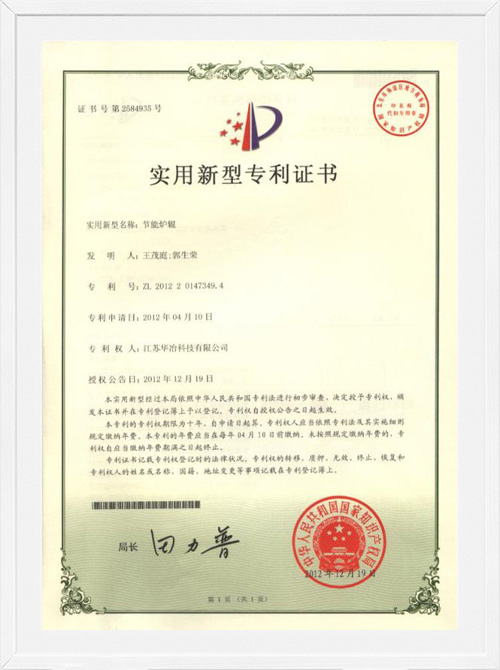
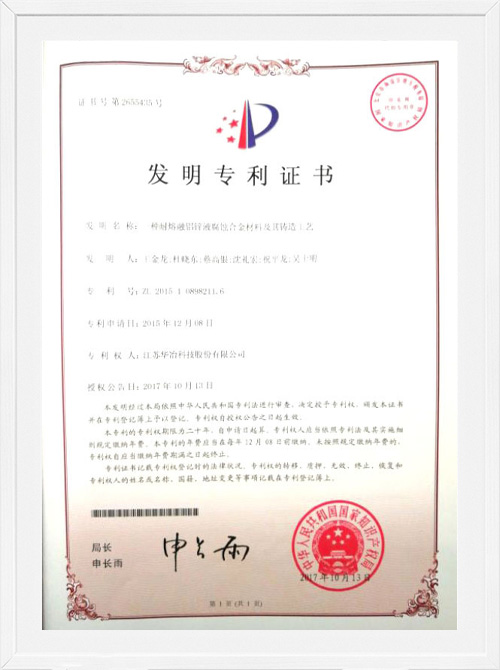
Within the modern industrial framework, petrochemical castings serve as the fundamental material basis for ensuring the stable operation of oil refining, natural gas processing, and complex chemical reaction facilities. These components typically operate in harsh environments characterized by extremely high temperatures, high pressures, and intense corrosiveness; consequently, the selection of materials and the casting processes employed directly determine the safety boundaries of industrial production.
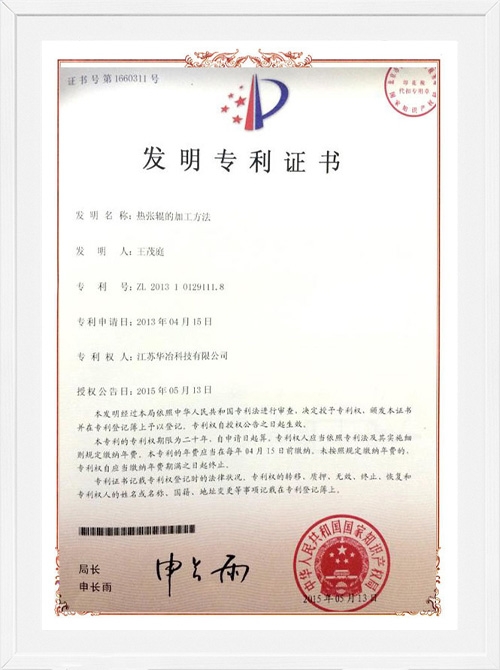
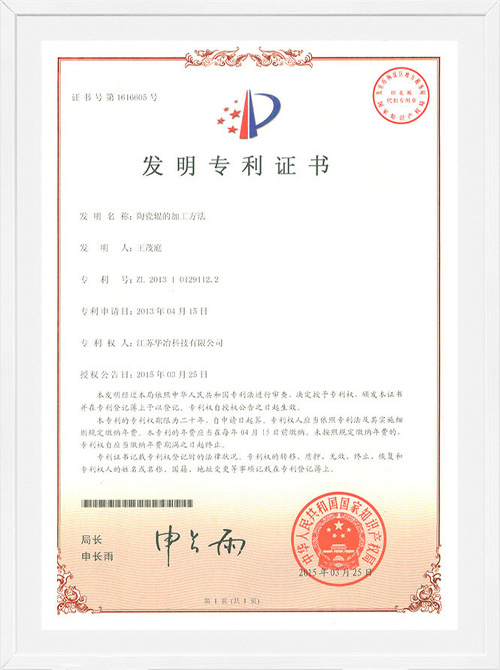
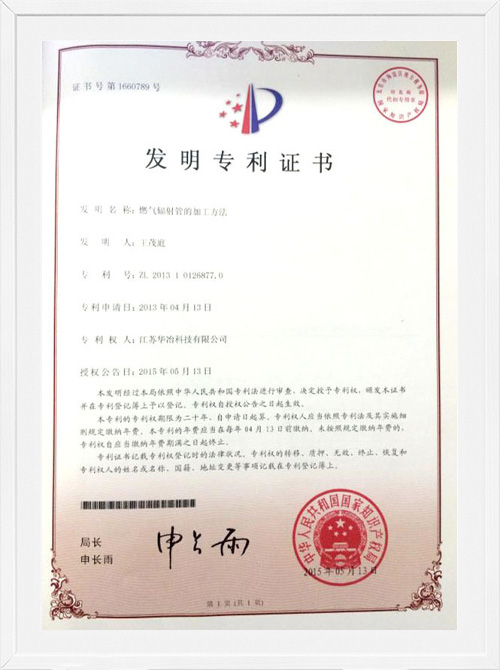
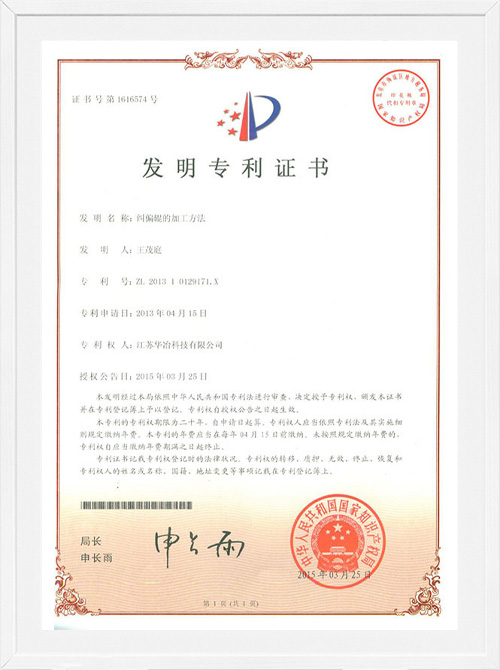
Leveraging its in-house professional laboratories and a comprehensive matrix of precision inspection capabilities, Jiangsu Huaye Technology Co., Ltd. has established a rigorous, closed-loop quality assurance system for the R&D and manufacturing of high-performance petrochemical castings. Through the precise microscopic control of metal microstructures, the company ensures the reliability of every single casting under complex operating conditions.
I. Core Technical Characteristics of Petrochemical Castings
Unlike general-purpose mechanical components, castings used in the petrochemical sector are distinguished by technical characteristics centered primarily on their resilience to extreme environments.
High-Temperature Creep Resistance: In cracking furnaces or catalytic reforming units, castings must withstand high-temperature environments over extended periods. High-quality castings, produced through precise alloy formulation, feature enhanced grain boundary strength, thereby effectively preventing metal deformation under sustained high-temperature exposure.
Exceptional Corrosion Resistance: Petrochemical process media frequently contain hydrogen sulfide, carbon dioxide, and various acidic substances. Alloy castings produced via centrifugal casting or investment casting processes are capable of forming a dense passivation layer on their surface, effectively resisting chemical erosion.
High-Pressure Load-Bearing Capacity: Pressure-bearing components—such as valve bodies and pump casings—must possess extremely high structural density. Through advanced non-destructive testing techniques, manufacturers ensure that the interior of these castings is free from defects such as porosity, shrinkage cavities, or cracks, thereby maintaining structural integrity amidst pressure fluctuations.
Microstructural Uniformity: In the production of large-section castings, controlling the cooling rate is of paramount importance. A balanced solidification process yields a uniform equiaxed grain structure, thereby enhancing the overall mechanical properties of the casting.
II. Key Casting Materials and Process Logic
The performance and quality of petrochemical castings depend largely on the purification of raw materials and the precise control of parameters during the smelting process.
Heat-Resistant Stainless Steel Series: By incorporating alloying elements such as chromium, nickel, and molybdenum, the stability of the castings is significantly enhanced within high-temperature oxidizing environments.
Nickel-Based and Specialty Alloys: For applications involving extremely corrosive environments, the use of high-performance nickel-based alloys effectively extends the service life of critical components and minimizes unplanned downtime.
Integration of Sand Casting and Precision Casting: Manufacturing processes are flexibly selected based on the geometric complexity and dimensional requirements of the castings. Large-scale housings typically utilize resin sand casting, whereas components featuring intricate internal flow channels employ precision casting to ensure dimensional accuracy.
III. Main Categories of Petrochemical Castings and Their Functional Roles in Operating Conditions
| Casting Category |
Typical Components |
Core Functional Requirements |
Environmental Characteristics |
| Pressure-Bearing Pump & Valve Components |
Pump casings, impellers, valve bodies |
Fluid transport and precision flow control |
High pressure, erosive wear, and cavitation resistance |
| Reactor Internals |
Support grids, catalyst baskets, distributors |
Structural support for catalysts and uniform media distribution |
Intense chemical reactions, high-temperature gradients |
| Piping Connection Fittings |
High-pressure flanges, elbows, tees (wye/lateral) |
System integrity, leak-proof sealing, and structural connection |
Stress concentration, thermal cycling, and vibration |
| Furnace Tubes & Accessories |
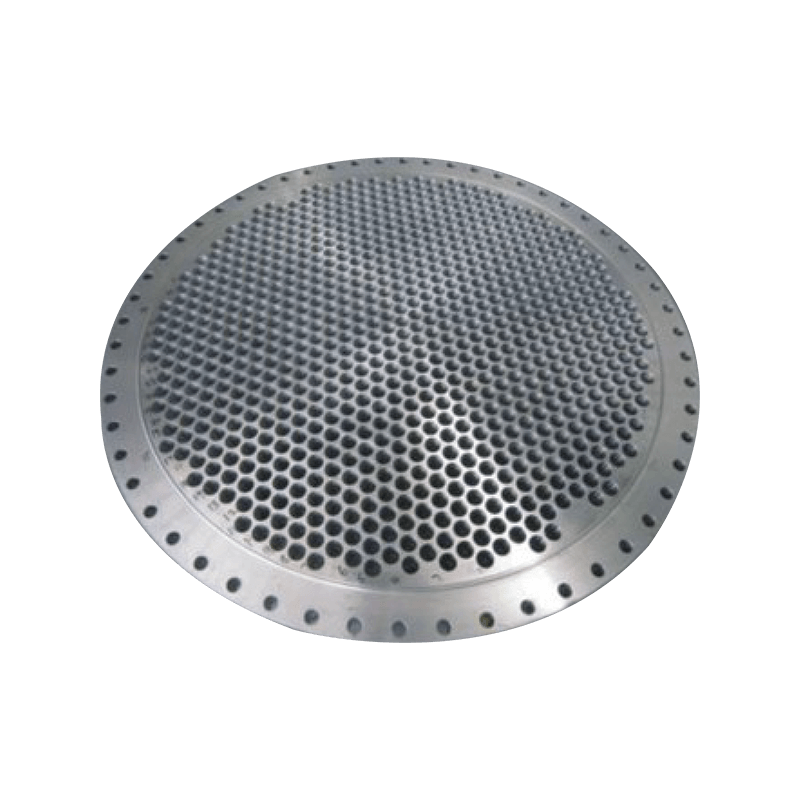
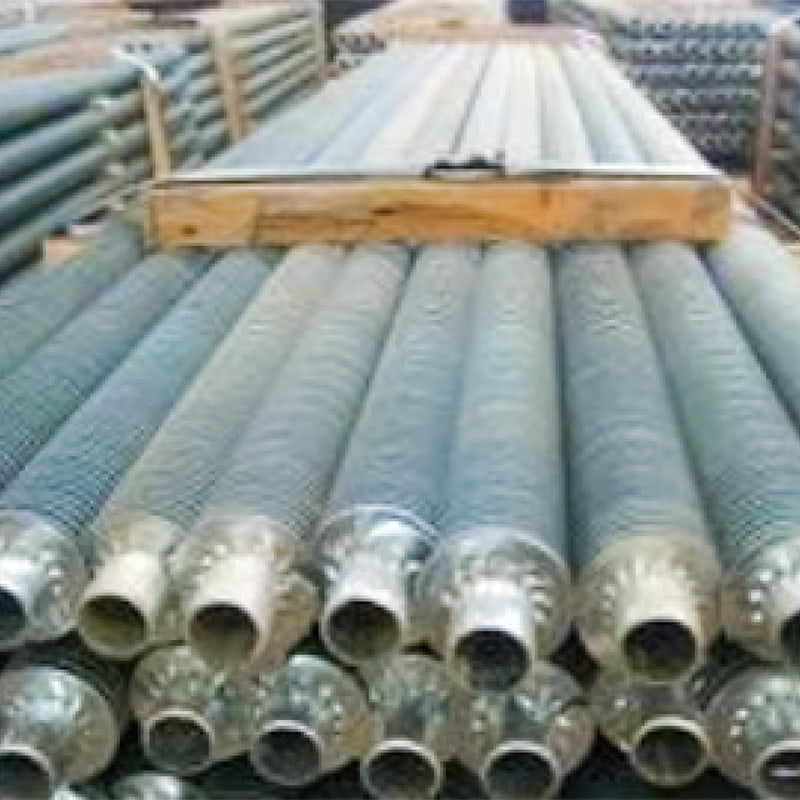
Cracking tubes, tube sheets, support brackets |
Efficient heat exchange and high-temperature load bearing |
Extreme heat (oxidation), carburization, and creep |
IV. Quality Assurance System and Inspection Dimensions
At Jiangsu Huaye Technology Co., Ltd., the production of castings is not the endpoint, but rather the beginning of a rigorous inspection process. Our laboratory facilities provide comprehensive technical validation for our products.
Chemical Composition Analysis: Spectrometers are utilized to monitor every batch of molten metal in real-time, ensuring that elemental content strictly adheres to the requirements outlined in the technical specifications.
Mechanical Property Testing: Tensile, impact, and hardness tests are conducted to verify the physical performance of the castings under both ambient and high-temperature conditions.
Metallographic Structure Evaluation: Microscopic analysis is performed to examine grain size and carbide distribution, thereby assessing the durability of the castings at a microscopic level.
Non-Destructive Testing (NDT): Ultrasonic, radiographic, or magnetic particle inspection methods are employed to detect and rule out internal defects that are invisible to the naked eye.
FAQ: Common Technical Questions Regarding Petrochemical Castings
Q: Why are there strict restrictions on carbon content in petrochemical castings?
A: In high-temperature environments, fluctuations in carbon content directly impact a material's weldability and its resistance to intergranular corrosion. Particularly in austenitic stainless steel castings, low or ultra-low carbon content significantly reduces the risk of chromium depletion occurring within the heat-affected zone during welding.
Q: What are the advantages of the centrifugal casting process in the petrochemical industry?
A: Centrifugal casting utilizes centrifugal force to solidify molten metal under high pressure, thereby significantly enhancing the density of the castings. For tubular components commonly used in the petrochemical industry, this process effectively eliminates gases and impurities, resulting in a purer internal microstructure and superior pressure resistance.
Q: How can one determine whether a casting possesses long-term oxidation resistance?
A: This typically depends on the content of Chromium (Cr) and Silicon (Si) within the alloy, as these elements facilitate the formation of a stable oxide film on the metal surface. Through high-temperature oxidation weight-gain tests conducted in a laboratory setting, the oxidation rate of a casting at specific temperatures can be scientifically predicted.
Q: Does the surface roughness of a casting affect its corrosion resistance?
A: Yes, it does. A smoother surface reduces the likelihood of media deposition, thereby lowering the frequency of pitting corrosion. Therefore, castings exposed to highly corrosive media typically undergo meticulous surface treatment or precision machining.
Q: Why is "material matching" emphasized when replacing petrochemical castings?
A: When components made of different materials are connected within a system, a significant difference in electrical potential can lead to electrochemical corrosion in an electrolytic environment. Ensuring that the casting material aligns with the existing piping system's coefficient of thermal expansion and chemical compatibility is a prerequisite for maintaining the system's long-term stability.
Through continuous technical innovation and deep expertise, Jiangsu Huaye Technology Co., Ltd. transforms experimental data into production momentum. We ensure that every petrochemical casting we produce plays a critical role within complex industrial networks, providing robust support for safe production in the global petrochemical energy sector.
 No. 308, Gongxin Road, Industrial Park, Dongxing Town, Jingjiang City, Jiangsu Province, China
 English
 Español
 русский
 中文简体
中文简体