Smelting
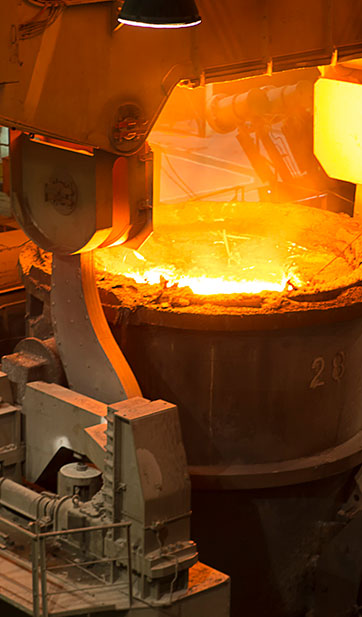
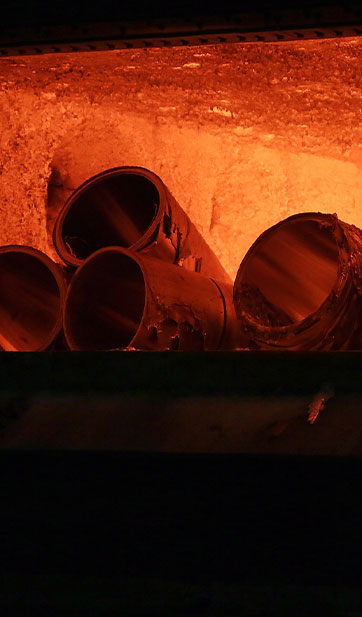
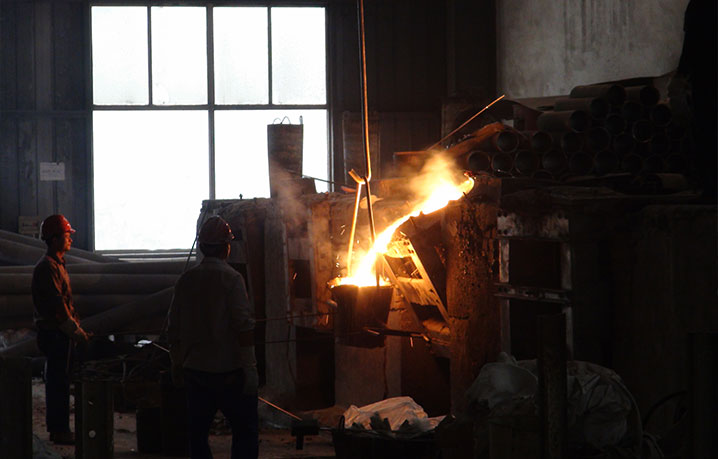
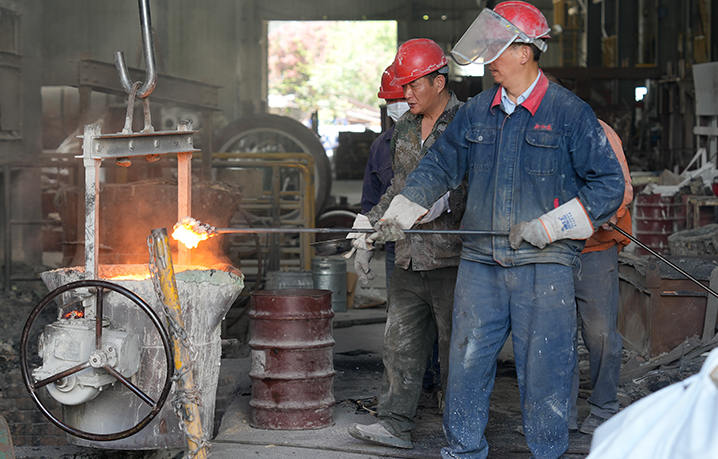
The company has invested in and introduced four medium-frequency furnaces and three vacuum furnaces, with overall equipment capable of an annual production capacity of 2,150 metric tons through medium-frequency melting and 5,000 metric tons through vacuum melting.
Medium-frequency furnaces, known for their high efficiency, energy-saving performance, and uniform heating, are suitable for large-volume, high-quality alloy melting. They enable precise control over composition and temperature, significantly enhancing metal purity and material properties. Vacuum furnaces operate in a sealed, oxygen-free environment, effectively removing gases and impurities while preventing material oxidation. They are particularly suitable for producing high-purity, high-performance specialty alloys and high-value-added metallic materials.
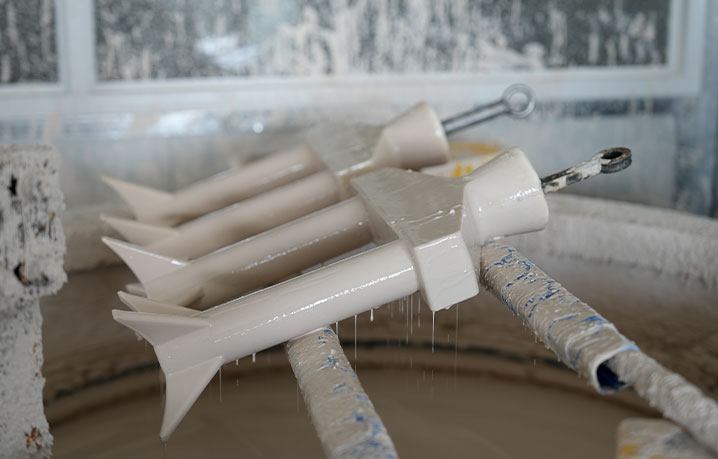
Precision Casting
Precision casting is an advanced metal forming process renowned for its high dimensional accuracy, ability to create complex geometries, and excellent surface finish.
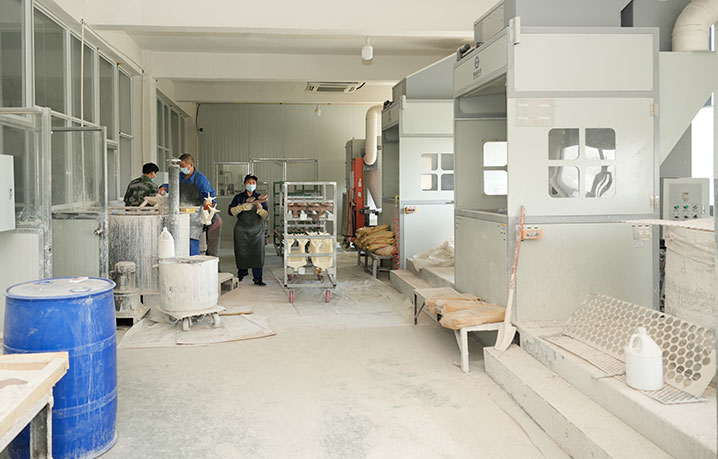
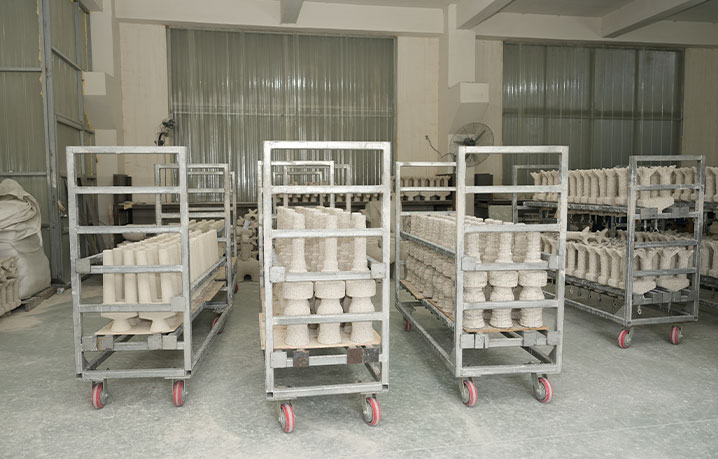
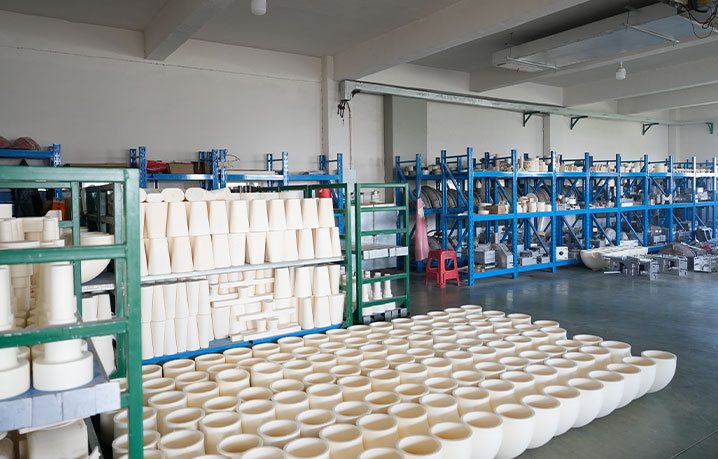
The company has established a domestically leading silica sol precision casting production line, equipped with advanced foundry equipment and a stringent quality control system. It offers the following casting advantages:
1. High-dimensional accuracy and one-shot molding of complex structural parts;
2. Excellent surface quality of castings;
3. Wide material adaptability;
4. High material utilization rates and significant cost-effectiveness;
5. Design flexibility and rapid prototyping capabilities;
6. Batch consistency and reliable performance.
This technology is applied to produce high-performance components for aerospace, energy and chemical engineering, automotive, medical, and other fields, ensuring that the castings meet the high-standard requirements of customers.
Centrifugal Casting
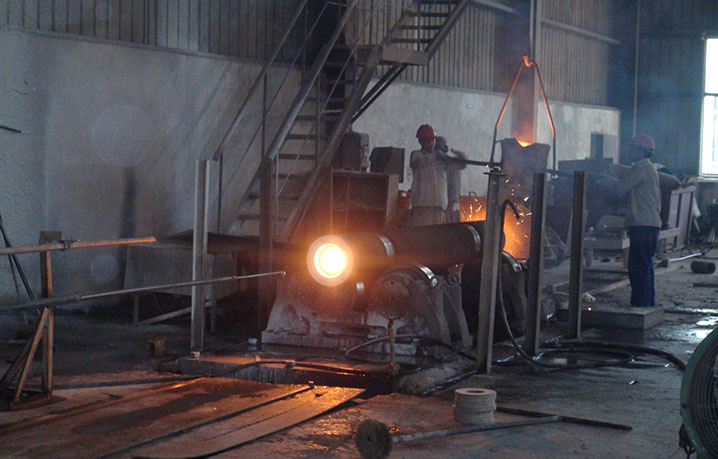
Centrifugal casting is a casting method that utilizes centrifugal force generated by rotation to fill a mold with molten metal, allowing it to solidify under pressure. Its core principle relies on physical centrifugal action, rather than gravity.
The company has established a complete centrifugal casting production line, offering the following casting advantages:
1. High density and excellent mechanical properties;
2. Ability to produce hollow cylindrical parts without the need for cores;
3. High metal utilization rate;
4. High production efficiency and automation level;
5. Good dimensional accuracy and surface quality.
This enables near-net shape forming capability for workpieces ranging from 0.5 kg to 2000 kg. The technology is applied to produce high-performance components for industries such as metallurgy, petrochemicals, nuclear power, and steel, ensuring that the castings meet the high-standard requirements of customers.
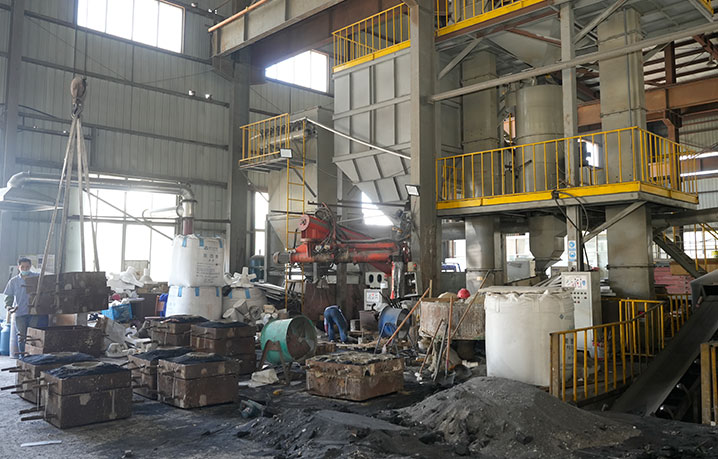
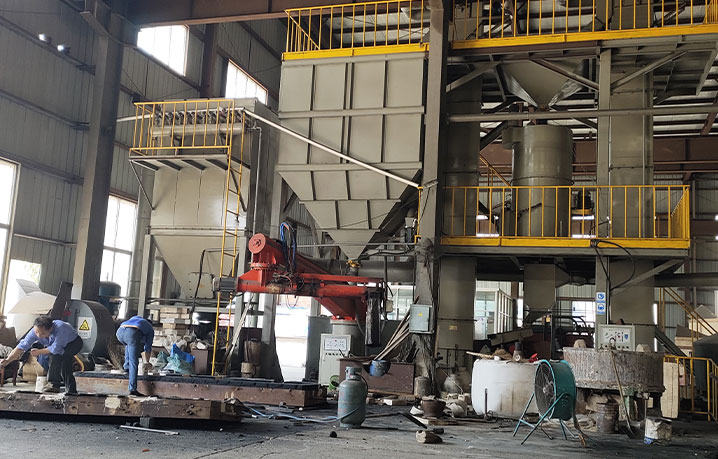
Sand casting
Sand casting is a method where sand is used as the primary molding material to create a mold, and molten metal is poured into the mold under gravity to produce castings.
The company has established a complete sand casting production line, utilizing high-strength, high-precision, and easily collapsible resin-bonded sand. This process offers the following advantages:
1. Capability to produce castings with highly complex structures;
2. Low mold costs;
3. Flexibility in adapting to changes in product specifications;
4. Broad material adaptability.
This technology is applied to manufacture high-performance components for industries such as metallurgy, coated plate production, and steelmaking, ensuring that the castings meet the stringent requirements of customers.
Forging and heat treatment capabilities
Forging is a metal forming process that alters the shape and dimensions of metal by applying pressure, typically mechanical force. Heat treatment is a material processing technology that modifies the physical and chemical properties of metal through controlled heating and cooling.
Forging provides a microstructural foundation for heat treatment: the fine-grained, uniform microstructure achieved through forging enhances the effectiveness and uniformity of subsequent heat treatment, thereby unlocking greater performance potential.
Heat treatment actualizes and "locks in" the performance potential of forging: Although a forged part possesses an optimized microstructure, properties such as hardness and strength may not yet meet final requirements. Final heat treatment processes such as quenching and tempering (also known as conditioning or heat treatment optimization) are essential to transform the refined forged microstructure into the ultimate desired properties—such as high strength and high toughness.
Mechanical processing capability
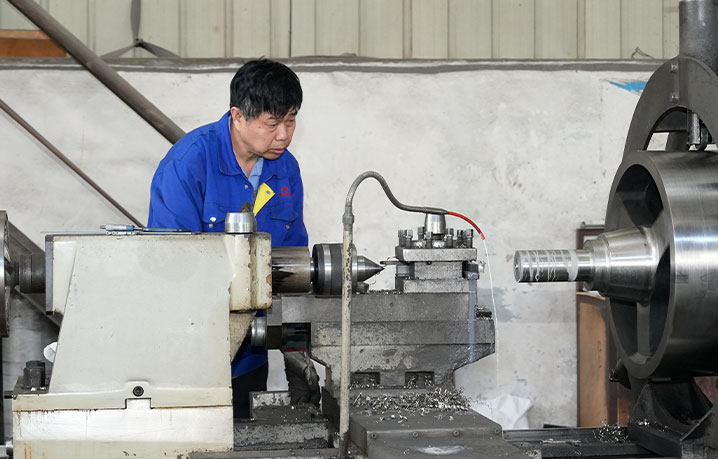
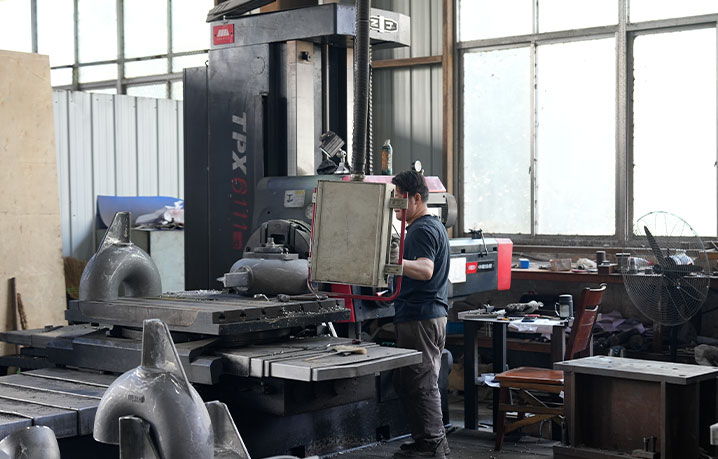
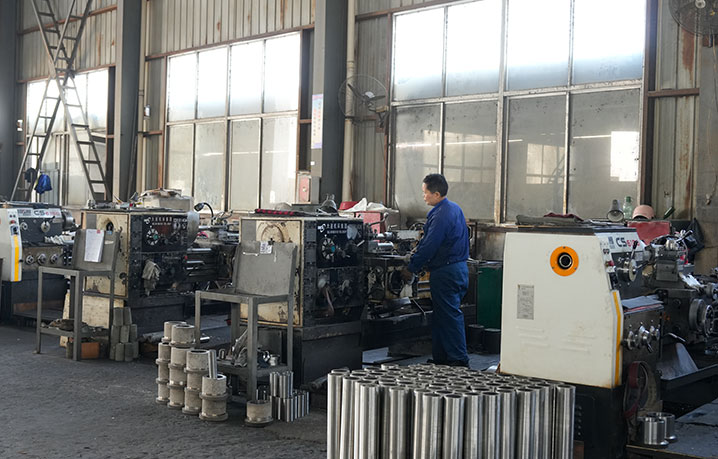
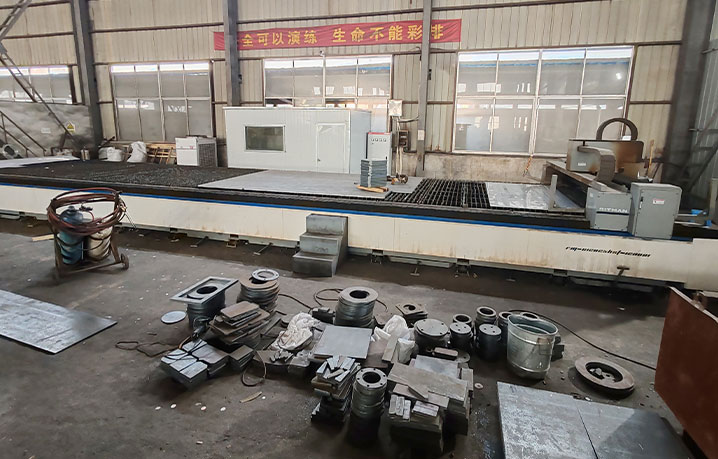
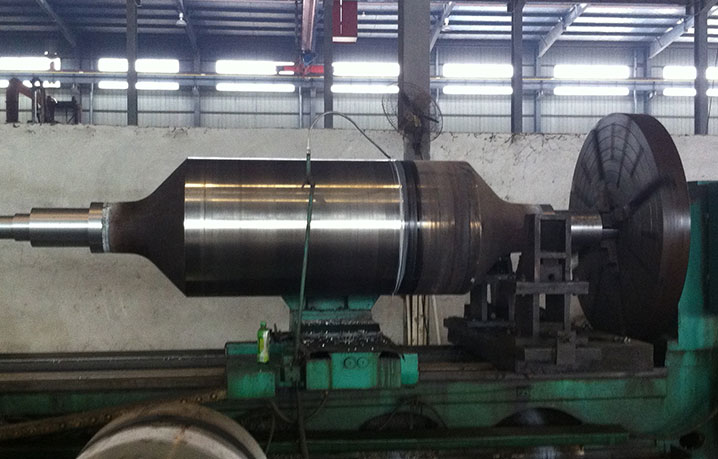
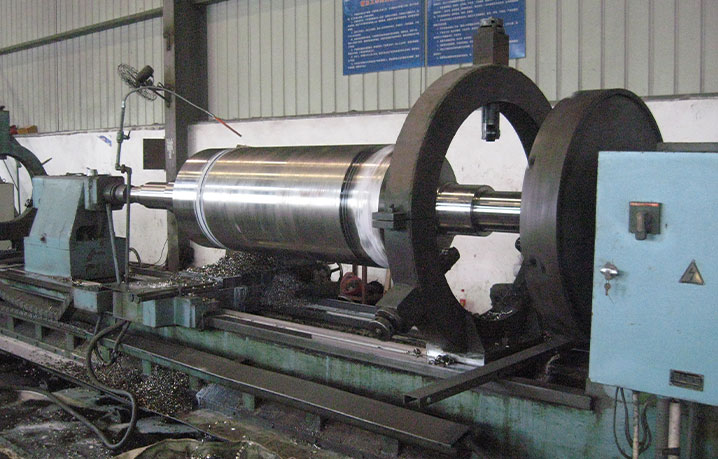
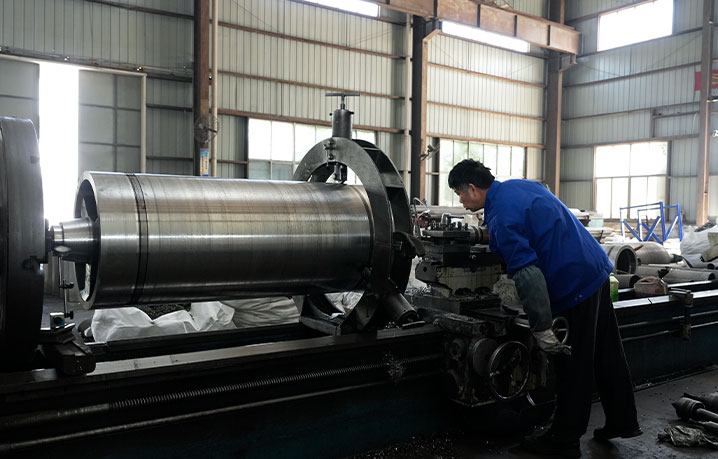
The company has fully established its high-end manufacturing capabilities, having built a comprehensive digital machining system. Through the introduction of over forty sets of advanced machining equipment, including CNC machining centers, CNC lathes, horizontal lathes, gantry milling machines, grinding machines, drilling machines, and intelligent cutting machines, it has developed a flexible manufacturing capability covering the entire process chain from precision turning, milling, grinding, and drilling to intelligent material cutting.
Multi-axis simultaneous CNC machining centers enable high-precision integrated forming of complex curved components. Large gantry milling machines provide high-rigidity machining capabilities for heavy-duty structural parts. The combination of CNC lathes and horizontal lathes meets full-range machining demands, from precision shaft-like parts to large-scale rotational components. Coupled with the fine finishing capabilities of high-precision grinding machines and the optimized cutting efficiency of intelligent cutting machines, the company has established end-to-end control capability from material preprocessing to precision machining and final forming.
 No. 308, Gongxin Road, Industrial Park, Dongxing Town, Jingjiang City, Jiangsu Province, China
 [email protected]/ [email protected]
 English
 Español
 русский
 中文简体
中文简体



 custom alloys for sale
wholesale different alloys
custom alloys for sale
wholesale different alloys