No. 308, Gongxin Road, Industrial Park, Dongxing Town, Jingjiang City, Jiangsu Province, China
 [email protected]/ [email protected]
 English
 Español
 русский
 中文简体
中文简体 No. 308, Gongxin Road, Industrial Park, Dongxing Town, Jingjiang City, Jiangsu Province, China[email protected]/ [email protected]
- Enhance automotive performance and durability.
- Reduce automotive fuel consumption and emissions.
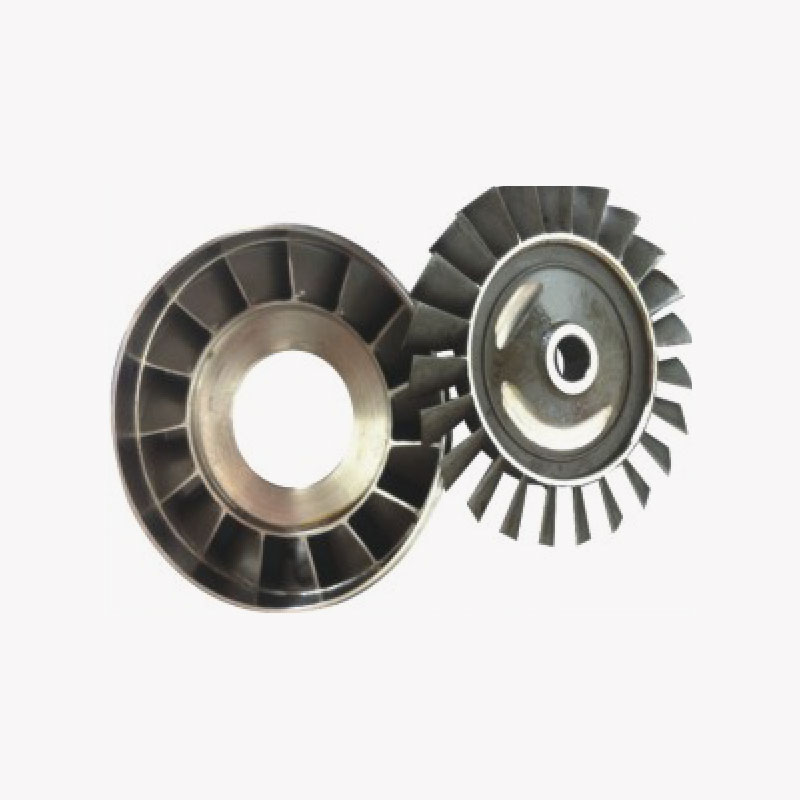
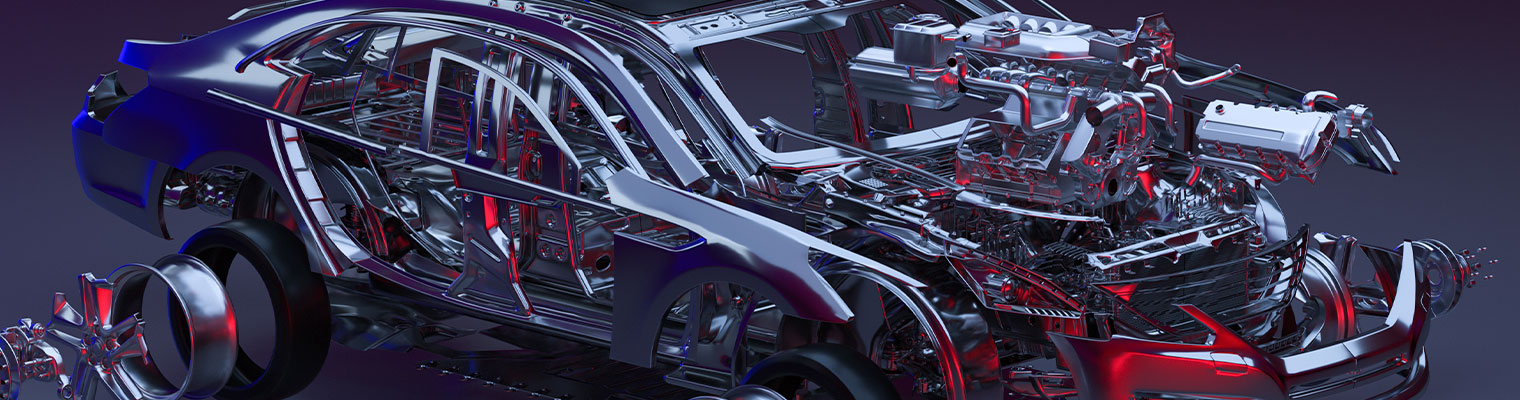
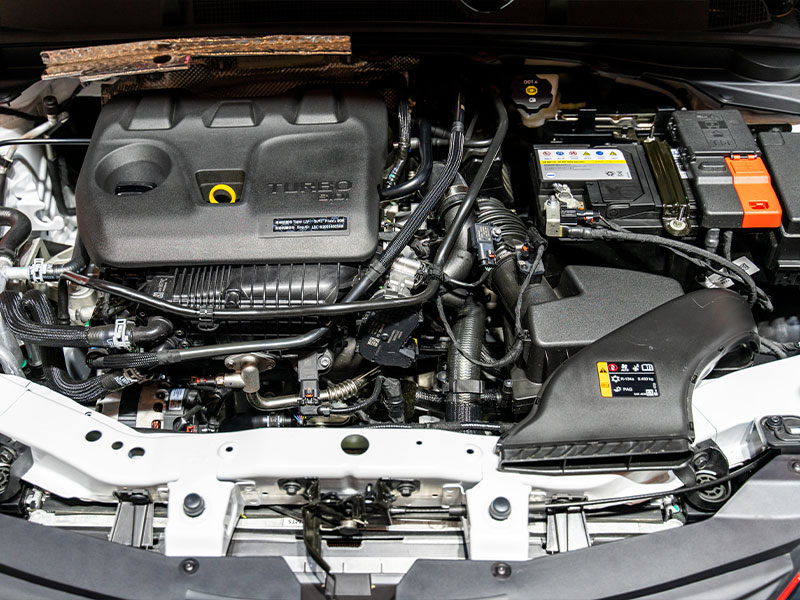
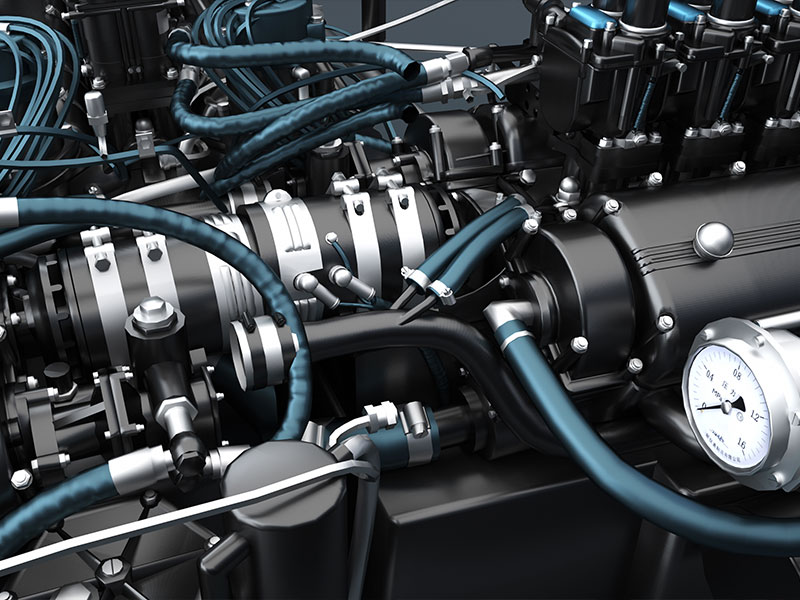
In the automotive field, high-temperature alloys are primarily used in powertrain systems and new energy applications, such as: turbochargers, key high-temperature engine components, high-power charging interfaces for new energy vehicles, high-voltage connectors for battery systems, brake discs, and more.
 Product controllable
Quality is guaranteed.
Product diversity
The product is guaranteed
Service is guaranteed
Product controllable
Quality is guaranteed.
Product diversity
The product is guaranteed
Service is guaranteed
Product controllable
Quality is guaranteed.
Product diversity
The product is guaranteed
Service is guaranteed
We will reply to you as soon as possible.
 custom alloys for sale
wholesale different alloys
custom alloys for sale
wholesale different alloys