No. 308, Gongxin Road, Industrial Park, Dongxing Town, Jingjiang City, Jiangsu Province, China
 [email protected]/ [email protected]
 English
 Español
 русский
 中文简体
中文简体 No. 308, Gongxin Road, Industrial Park, Dongxing Town, Jingjiang City, Jiangsu Province, China[email protected]/ [email protected]
Petrochemical castings are precision-engineered metal components manufactured through casting processes — typically investment casting, sand casting, or centrifugal casting — using high-performance alloys specifically designed to withstand the extreme operating conditions found in oil refining, gas processing, and chemical production facilities. Their primary function is to maintain structural integrity, resist corrosion, and perform reliably under elevated temperatures, high pressures, and chemically aggressive environments.
In contrast to standard industrial components, petrochemical castings are engineered with metallurgical precision. Materials such as heat-resistant stainless steels, nickel-based superalloys, and high-chromium iron alloys are selected to match the specific demands of each application — from continuous cracking furnaces to corrosive fluid handling systems.
Content
The oil refining sector is among the heaviest users of advanced castings. Within refineries, castings serve both structural and functional roles across multiple process stages.
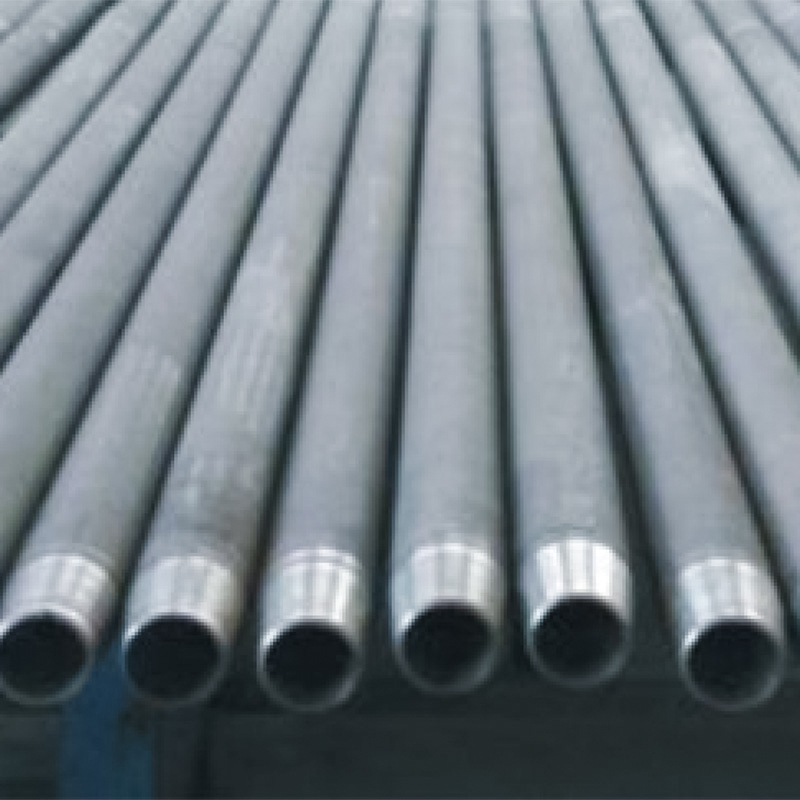
Radiant tubes and cracking coils used in ethylene and steam cracking furnaces are critical cast components. These parts must withstand continuous operating temperatures exceeding 1,000°C (1,832°F) while being exposed to hydrocarbon gases and steam. High-alloy centrifugally cast tubes — typically made from HK40, HP40Nb, or similar nickel-chromium alloys — are the industry standard. Their microstructure after casting provides excellent creep resistance and oxidation resistance at elevated temperatures.
Heat exchangers in petrochemical plants rely on cast headers, end caps, shells, and tube sheets. These components are fabricated from corrosion-resistant alloys to handle aggressive media including sulfuric acid, hydrogen chloride, and ammonia at both high temperatures and pressures. Precision casting ensures dimensional consistency that is critical for sealing performance and fluid containment.
Pumps transferring caustic, acidic, or abrasive fluids require cast bodies and rotating elements that resist both chemical attack and mechanical wear. Duplex stainless steel, super duplex alloys, and nickel alloys are commonly cast into pump housings, impellers, and diffusers to ensure reliable fluid transport even in the most aggressive chemical streams.
Natural gas processing facilities — including gas treatment plants, sulfur recovery units, and liquefied natural gas (LNG) terminals — place stringent demands on materials due to the combination of cryogenic temperatures, high-pressure operation, and exposure to hydrogen sulfide (H₂S) and carbon dioxide (CO₂).
The chemical processing industry — encompassing ammonia synthesis, methanol production, urea manufacturing, and specialty chemical plants — uses petrochemical castings extensively for reactor internals, pressure vessels, and fluid handling equipment.
| Process Unit | Casting Component | Key Material | Critical Property |
|---|---|---|---|
| Ammonia Reformer | Reformer tubes, manifolds | HP-Nb alloy (25Cr/35Ni) | Creep resistance above 900°C |
| Urea Synthesis Loop | Stripper trays, liners | 316L / 2205 duplex SS | Resistance to carbamate corrosion |
| Methanol Reactor | Catalyst support grids | Alloy 800H | High-temperature strength |
| Chlor-Alkali Plant | Pump casings, valves | Alloy C-276 (Hastelloy type) | Chlorine and HCl resistance |
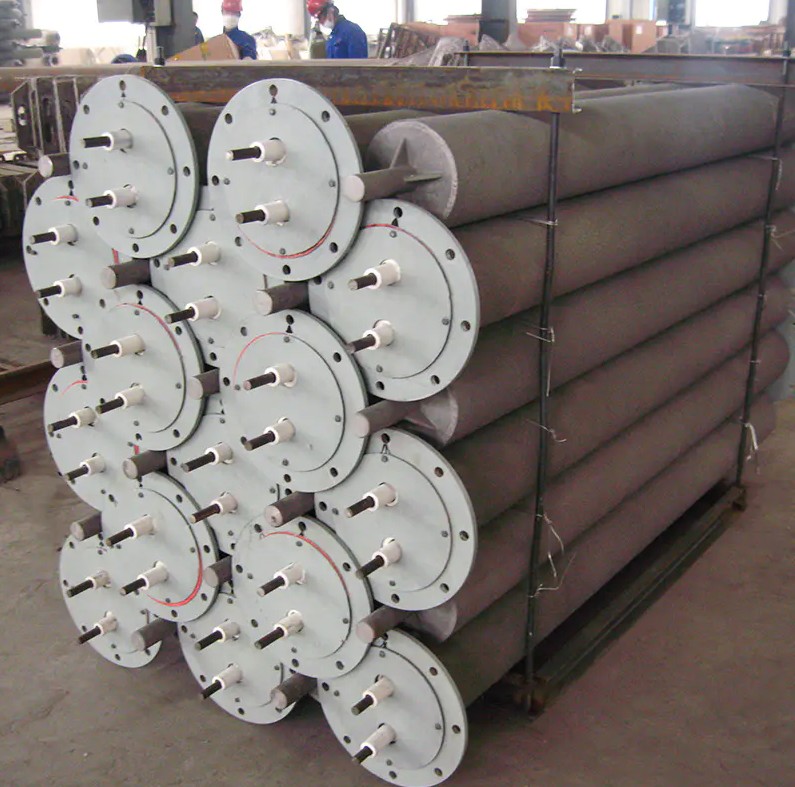
One of the most demanding and technically sophisticated applications of petrochemical castings is in continuous thermal processing equipment — particularly in furnace rollers, radiant tubes, heat treatment trays, and material-handling baskets used across petrochemical and downstream metallurgical processes.
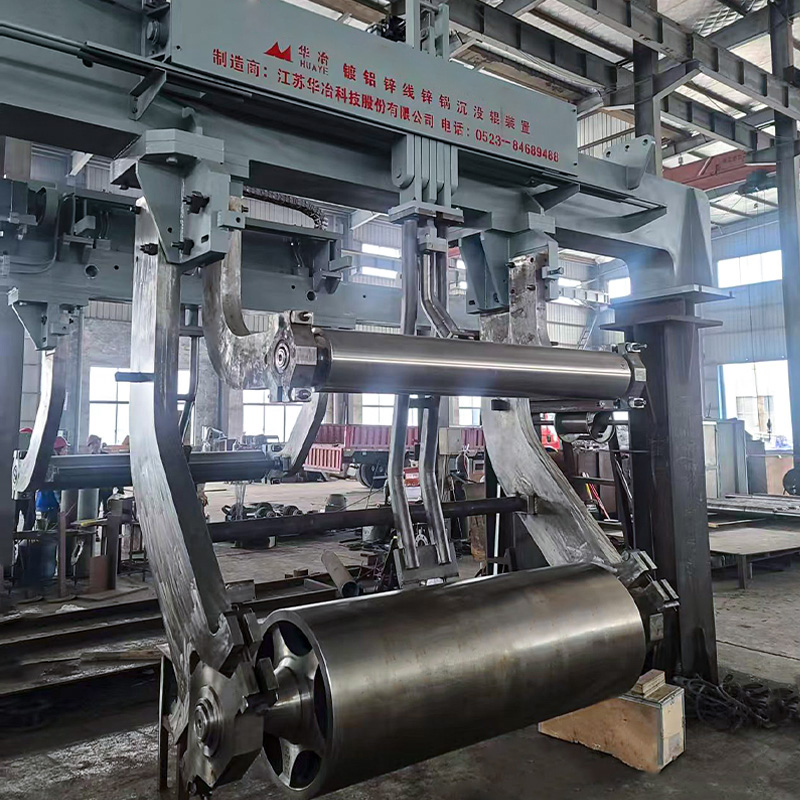
Furnace rollers are cast from heat-resistant alloys (such as HH, HK, HP, or modified nickel-chromium grades) and are designed to convey materials through continuous annealing, galvanizing, or normalizing furnaces at temperatures up to 1,150°C. Their dimensional accuracy and surface finish after casting directly affect product quality in strip steel and tube manufacturing lines.
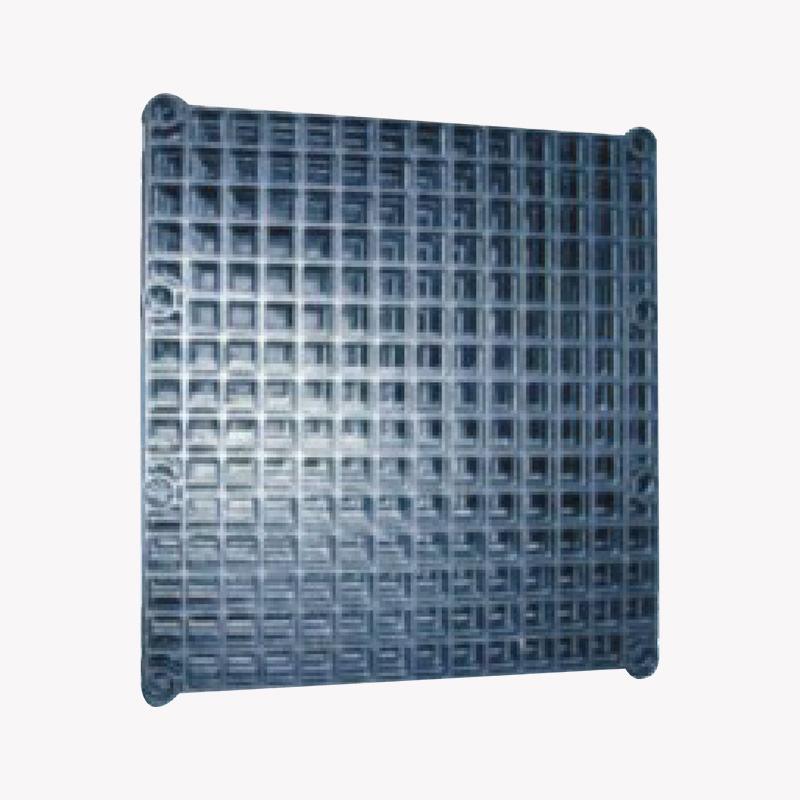
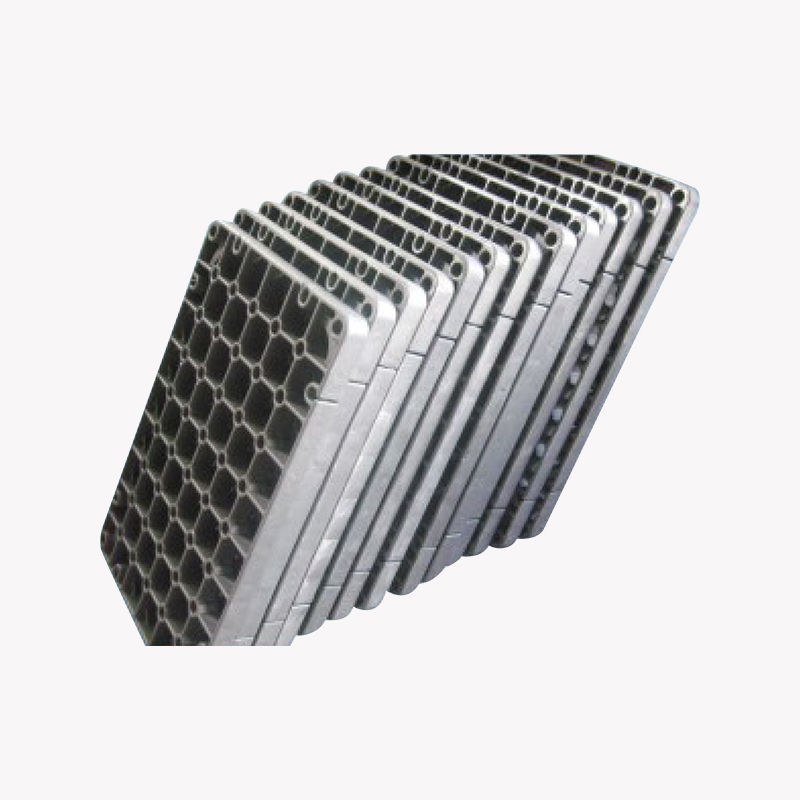
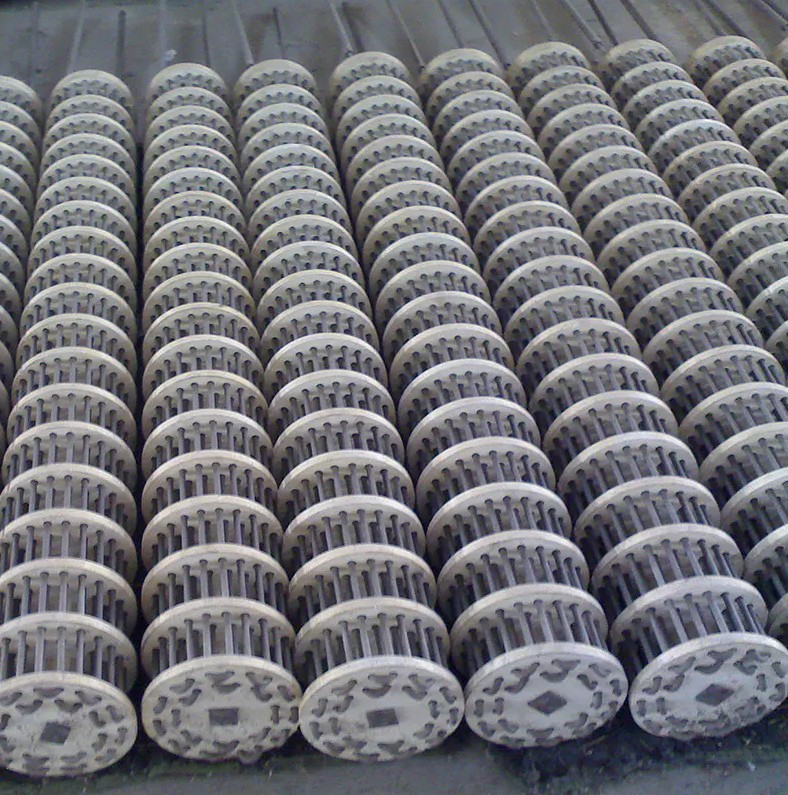
Material baskets and trays — used to hold parts during heat treatment or chemical processing — are precision cast from alloys resistant to both thermal cycling and the carburizing or nitriding atmospheres found in industrial furnaces. A typical basket may cycle through thousands of heating and cooling cycles over its service life, requiring the cast alloy to exhibit excellent thermal fatigue resistance and dimensional stability.
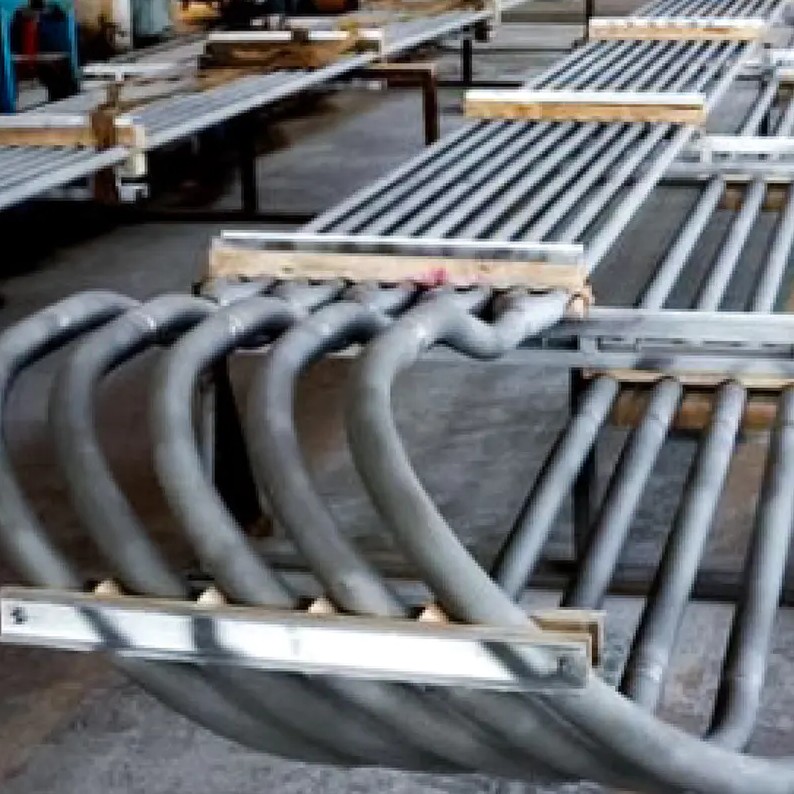
Radiant tubes are another critical cast product used as indirect heating elements in sealed-atmosphere furnaces. These tubes contain the combustion gases while transmitting heat radiantly to the process load, requiring the cast material to resist oxidation externally and reducing atmospheres internally, simultaneously.
Offshore oil and gas platforms, FPSO (floating production, storage and offloading) vessels, and subsea processing systems present an especially challenging combination of factors: saltwater corrosion, high-pressure wellhead conditions, cyclic mechanical loading, and temperature extremes. Castings for these environments are engineered to meet international standards such as NACE MR0175 / ISO 15156 for sour service resistance.
Flow control is a foundational requirement throughout any petrochemical facility, and castings form the physical backbone of this infrastructure. Cast valve bodies, fittings, flanges, and connectors are manufactured to ASTM, API, and ASME standards covering a wide range of alloys and service conditions.
Cast valve bodies in sizes ranging from DN15 (½ inch) to DN600 (24 inches) or larger are used throughout process piping systems. The casting process allows internal flow geometries — including ports, seats, and bonnet connections — to be formed near-net-shape, minimizing machining and preserving material integrity. Common casting grades include ASTM A216 WCB (carbon steel), A351 CF8M (316 stainless), and various Alloy 20 or Alloy 625 grades for corrosive services.
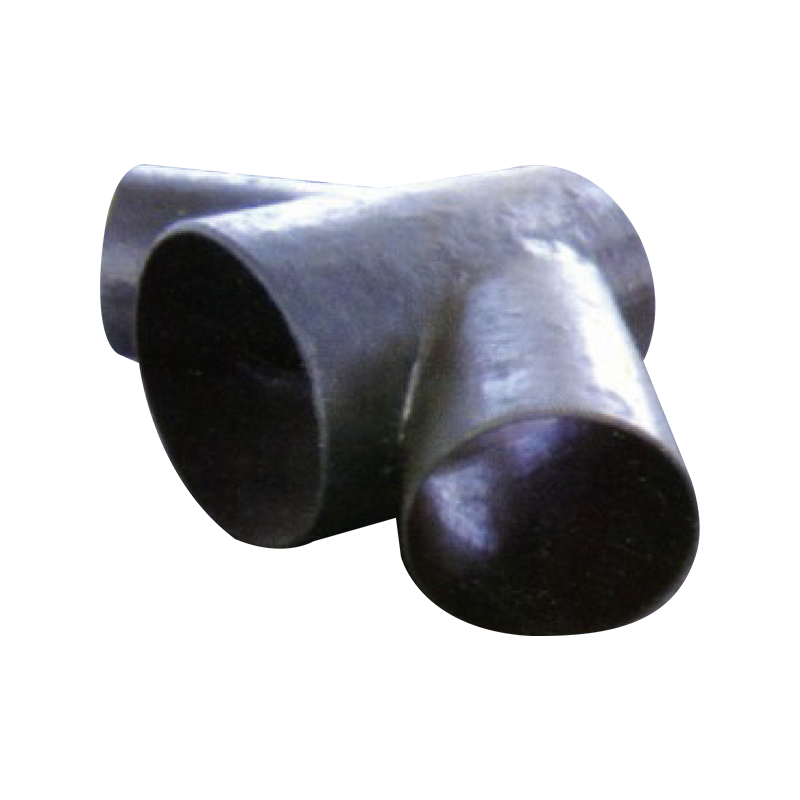
Elbows, tees, reducers, and crosses used in high-pressure petrochemical pipework are manufactured as castings to ensure uniform wall thickness and smooth internal bore profiles. Uniform wall thickness — achievable through controlled casting practices — reduces stress concentration under cyclic pressure and temperature variations.
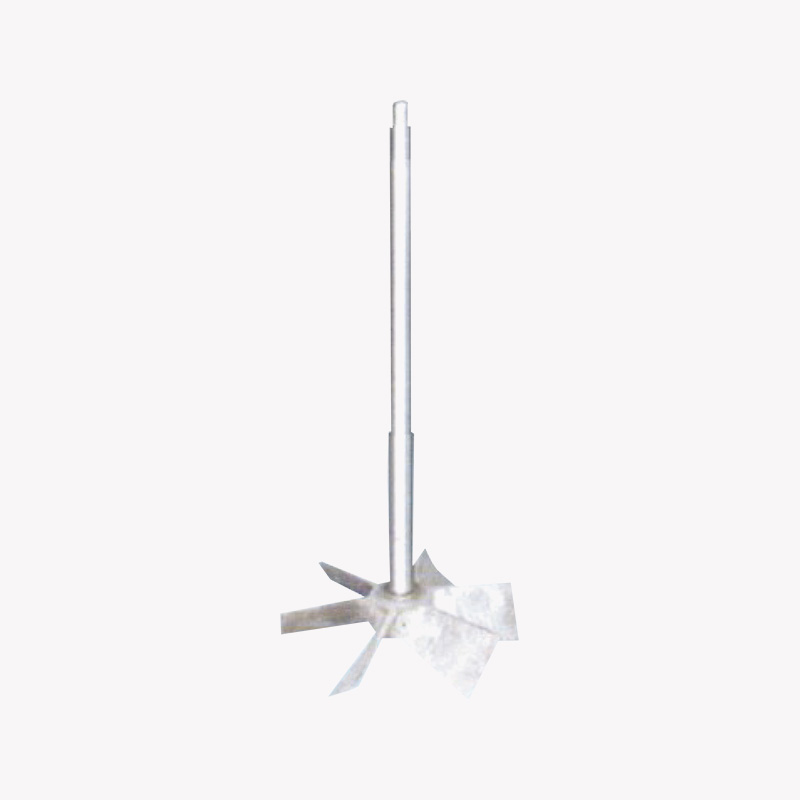
Rotating and dynamic equipment — including centrifugal pumps, agitators, mixers, and compressors — relies on precision castings for both stationary housings and rotating internals. Shaft sleeves are a particularly important cast component: positioned between the shaft and mechanical seal or bearing, they protect the shaft from corrosive fluids and can be replaced economically when worn without replacing the entire shaft assembly.
Support arms and bracket assemblies — used in continuous furnace equipment and materials handling systems — are cast in high-temperature alloys to maintain their geometry and load-bearing capacity during prolonged exposure to elevated temperatures. In petrochemical heat treatment applications, these components may be continuously exposed to temperatures between 800°C and 1,100°C for months without replacement, demanding exceptional metallurgical quality from the casting process.
The performance of a petrochemical casting is fundamentally determined by the alloy system from which it is cast. Material selection is a critical engineering decision, driven by temperature range, chemical exposure, mechanical loads, and economic considerations.
The safety-critical nature of petrochemical applications demands that castings meet rigorous quality standards and undergo comprehensive inspection before installation. Failure of a single casting in a high-pressure, high-temperature, or flammable process stream can result in catastrophic consequences, making quality assurance a non-negotiable element of casting supply.
Internationally recognized standards governing petrochemical castings include ASTM A351 (austenitic stainless castings), ASTM A217 (alloy steel castings for high-temperature service), API 6A (wellhead and Christmas tree equipment), and NACE MR0175 / ISO 15156 (materials for sour service environments).
Beyond their immediate functional role, advanced petrochemical castings — particularly in furnace and thermal processing equipment — contribute directly to energy efficiency in industrial operations. Energy-saving industrial furnace rollers and optimized furnace tube geometries can reduce fuel consumption by 10–25% compared to conventional designs, delivering significant operational cost reductions across the service life of the equipment.
The longevity of high-alloy castings also reduces maintenance downtime and replacement frequency. A centrifugally cast cracking tube in a premium HP-Nb alloy may achieve a service life of 5 to 10 years under continuous high-temperature operation, compared to significantly shorter intervals for lower-grade alternatives. Across a large ethylene cracking furnace with hundreds of individual tubes, alloy selection and casting quality directly translate to measurable improvements in plant availability and operating economics.
Jiangsu Huaye Technology Co., Ltd. is a professional petrochemical castings manufacturer and factory located in the Industrial Park, Dongxing Town, Jingjiang City, Jiangsu Province, with a registered capital of 34.917 million RMB. As a recognized high-tech enterprise, the company specializes in the production of high-temperature alloys, high-temperature wear-resistant alloys, high-temperature heat-resistant alloys, and high-temperature corrosion-resistant alloys, along with energy-saving industrial furnaces.
The company's main product lines include:
These products are widely applied in industries including aerospace, marine, petrochemicals, thermal power, metallurgy, and strip steel processing — delivering reliable, long-service-life performance in some of the world's most demanding industrial environments.
We will reply to you as soon as possible.
 custom alloys for sale
wholesale different alloys
custom alloys for sale
wholesale different alloys