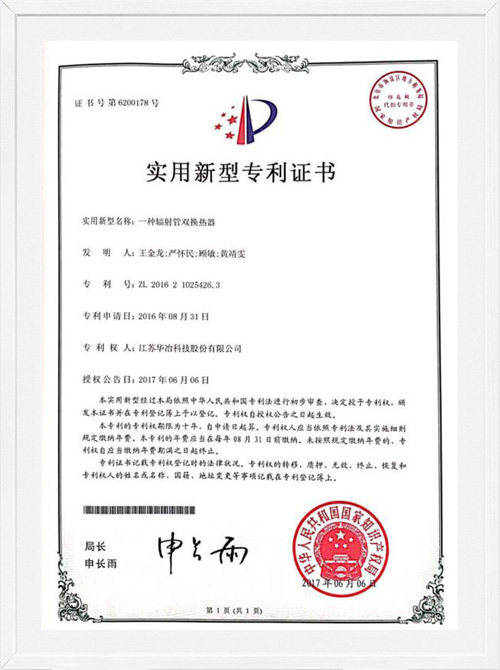
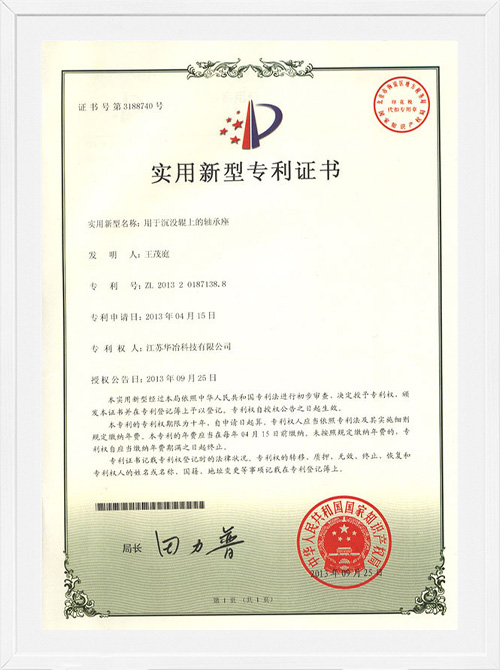
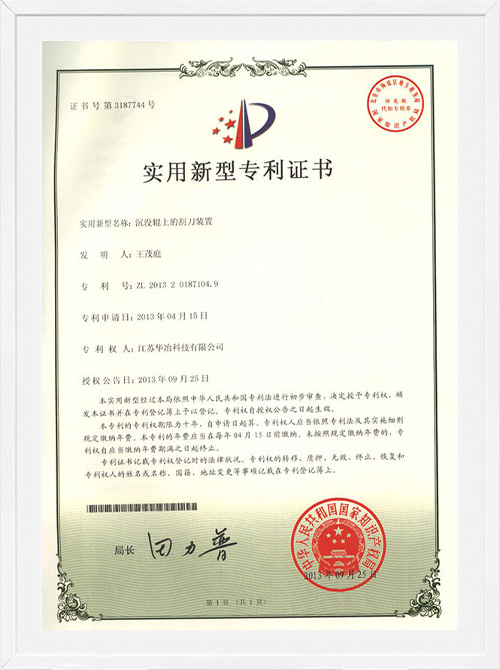
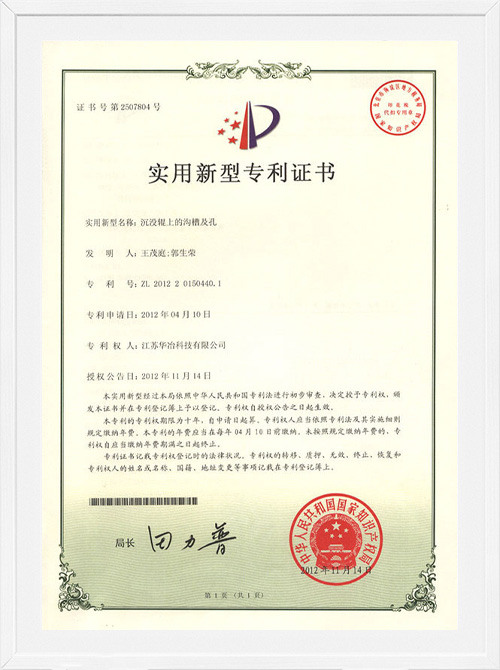
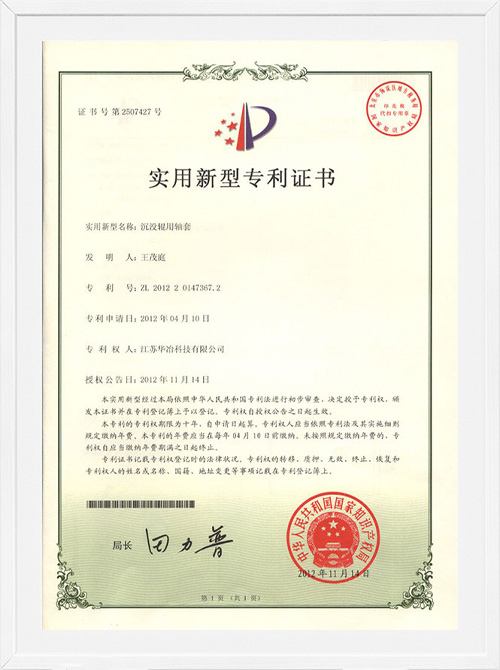
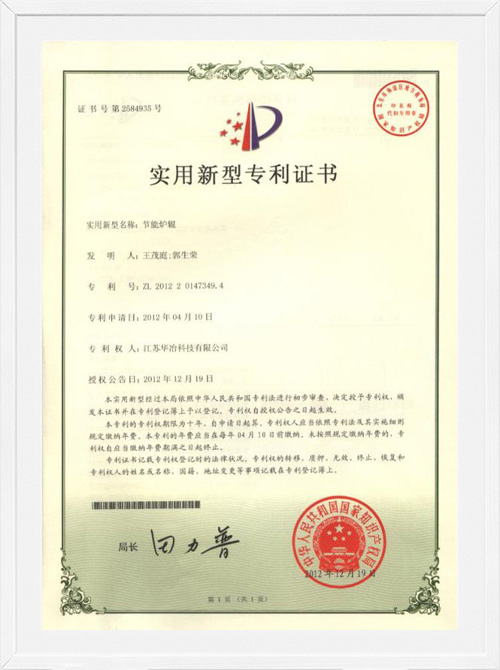
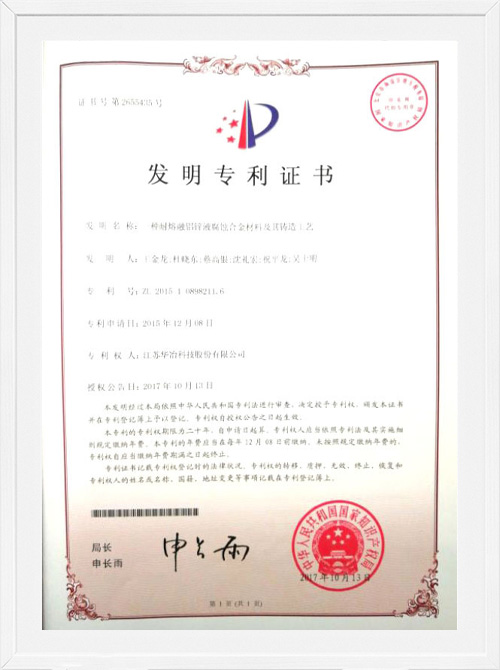
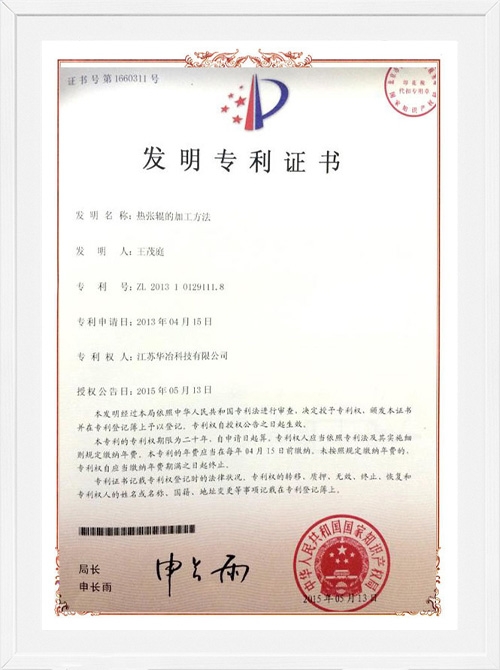
As the core of modern industrial energy conversion and distribution, the stability and efficiency of a *Power System* directly determine the production performance of large-scale manufacturing facilities. In the specialized field of supporting hot-dip galvanizing and special coating production lines, Jiangsu Huaye Technology Co., Ltd. leverages its extensive process expertise to apply the highly efficient integration of power systems within complex industrial automation environments.
Key Dimensions of Industrial Power Systems
1. Load Management and Power Quality Optimization
An industrial-grade power system involves far more than simple current transmission; it entails complex electrical load balancing. For production lines requiring high operational continuity, the quality of the electrical power directly impacts the service life of critical spare parts.
Harmonic Mitigation: In today's environment—where Variable Frequency Drives (VFDs) are widely utilized—systems must possess robust harmonic suppression capabilities to prevent sensitive control components from malfunctioning.
Reactive Power Compensation: By dynamically adjusting the power factor, the system ensures maximum power transmission efficiency, thereby reducing line losses and lowering the thermal load on transformers.
2. Automated Power Distribution and Control Logic
The deep integration of the power system with the industrial control system serves as the fundamental basis for ensuring the stable operation of the production line.
Distributed Power Distribution Architecture: Employing a modular design ensures that a fault in a single circuit does not result in the complete shutdown of the entire production line.
Precise Actuator Control: In coating production lines, precision motors have an extremely low tolerance for voltage fluctuations; consequently, the power system must provide a stable, constant-voltage operating environment.
3. Redundancy Design and System Reliability
Within large-scale manufacturing environments, the design of the power system must strictly adhere to the principle of "graceful degradation" (fault tolerance).
Dual-Circuit Redundancy: Core process sections are typically equipped with independent backup power supplies to mitigate risks associated with grid fluctuations or momentary power outages.
Hot Standby Systems: Critical power switching devices must possess response speeds measured in milliseconds to guarantee the uninterrupted continuity of the manufacturing process.
Comparison of Key Technical Components
When configuring auxiliary equipment for production lines, the functional priorities of different power modules can vary significantly. The table below outlines the key electrical dimensions within the system:
| Module Category |
Core Technical Indicators |
Application Value in Coating Lines |
Maintenance Focus Areas |
| High-Voltage Power Distribution |
Transformation Capacity, Insulation Rating |
Acts as the cornerstone for the entire plant's primary energy supply. |
Monitoring insulation oil status and thermal rise control. |
| Low-Voltage Drive Control |
Response Frequency, Torque Control |
Ensures precision displacement of mechanical components and spare parts. |
Heat dissipation of power devices and anti-interference of communication. |
| Uninterruptible Power Supply (UPS) |
Switching Time, Depth of Discharge (DoD) |
Safeguards control logic and ensures sensor data integrity during fluctuations. |
Battery cycle life management and real-time online monitoring. |
| Lightning Protection & Grounding |
Grounding Resistance, Discharge Velocity |
Guarantees overall system safety during extreme weather conditions. |
Grounding electrode corrosion prevention and equipotential bonding. |
Electrical Integration in Process Flows
Jiangsu Huaye Technology Co., Ltd. recognizes—and deeply understands—the symbiotic relationship between power system stability and the durability of mechanical spare parts within the context of support services for hot-dip galvanizing and aluminum-zinc-silicon strip steel production lines.
Environmental Adaptability Optimization: Coating workshops typically feature high temperatures and specific chemical atmospheres; consequently, the terminal actuators of the power system must possess an exceptionally high degree of ingress protection to prevent system failure caused by electrical corrosion.
System Synergistic Consistency: Through the rigorous controls of the ISO 9001 Quality Management System, power control units and their corresponding mechanical components achieve a high level of structural integration, thereby ensuring the synchronization of energy input and mechanical output.
Precision Process Control: In the strip steel coating process, the fine-tuning capability of the power system determines the uniformity of the coating. By utilizing high-precision electrical feedback loops, the system can compensate in real-time for speed deviations caused by load fluctuations.
Frequently Asked Questions (FAQ)
Q1: How does one evaluate the impact of the power system on the service life of associated spare parts?
The stability of the power system is the primary factor. Frequent voltage fluctuations or transient power surges can accelerate the aging of motor windings and the wear of bearings. A high-standard power management system can filter out these destabilizing factors, thereby significantly extending the replacement cycle for mechanical spare parts.
Q2: What are the main challenges facing the power system in high-temperature environments, such as those found in hot-dip galvanizing?
The primary challenges lie in thermal runaway and the increase in electrical impedance caused by rising temperatures. System design must fully account for heat dissipation and cable ampacity derating to ensure that, during continuous operation in high-temperature conditions, electrical connection points do not loosen or fail due to thermal cycling.
Q3: How does the level of automation in the power system enhance the stability of the production line?
By integrating intelligent sensors and monitoring modules, the power system can transition from a "reactive maintenance" model to a "predictive maintenance" model. By monitoring for anomalous current characteristics, the system can issue early warnings before a spare part suffers catastrophic failure, thereby preventing unplanned downtime.
Q4: Why is the integrity of the grounding system emphasized in industrial power systems?
In complex industrial power grids, a robust grounding system serves not only to ensure personal safety but also to provide a "clean" signal reference plane. Effective grounding can effectively suppress common-mode interference, ensuring that control signals remain undistorted during transmission—a critical requirement for precision coating processes.
Q5: How does Jiangsu Huaye Technology Co., Ltd. ensure the reliability of its auxiliary equipment regarding power integration?
The company ensures that every auxiliary component undergoes rigorous electrical performance matching tests prior to leaving the factory through a stringent process control system. Guided by the ISO 9001 quality management system, our equipment not only meets mechanical specifications but has also undergone extensive field validation regarding power drive compatibility, thereby guaranteeing exceptional performance across diverse global power standards.
 No. 308, Gongxin Road, Industrial Park, Dongxing Town, Jingjiang City, Jiangsu Province, China
 English
 Español
 русский
 中文简体
中文简体