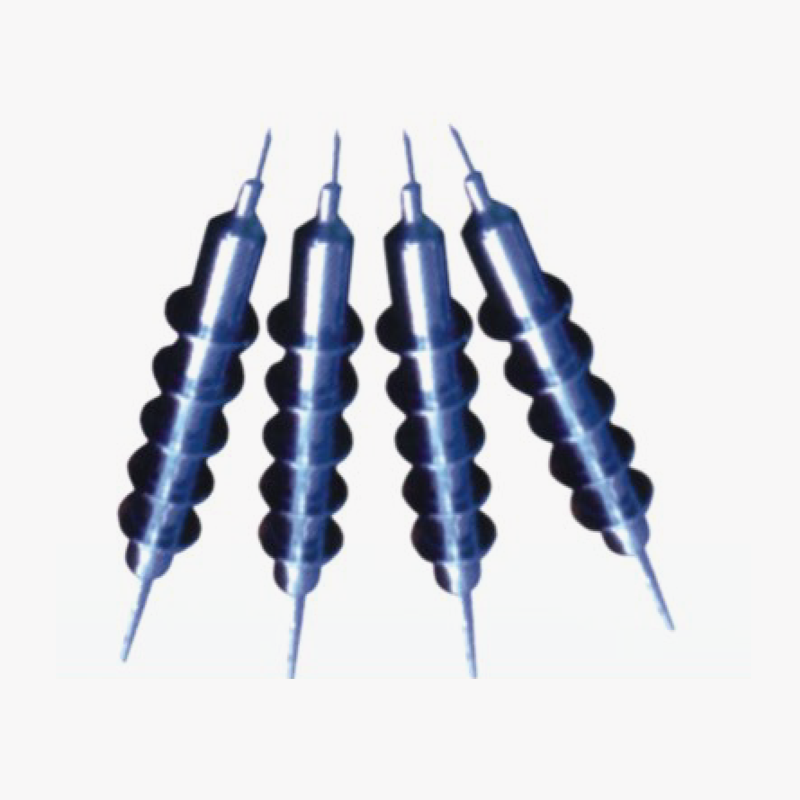
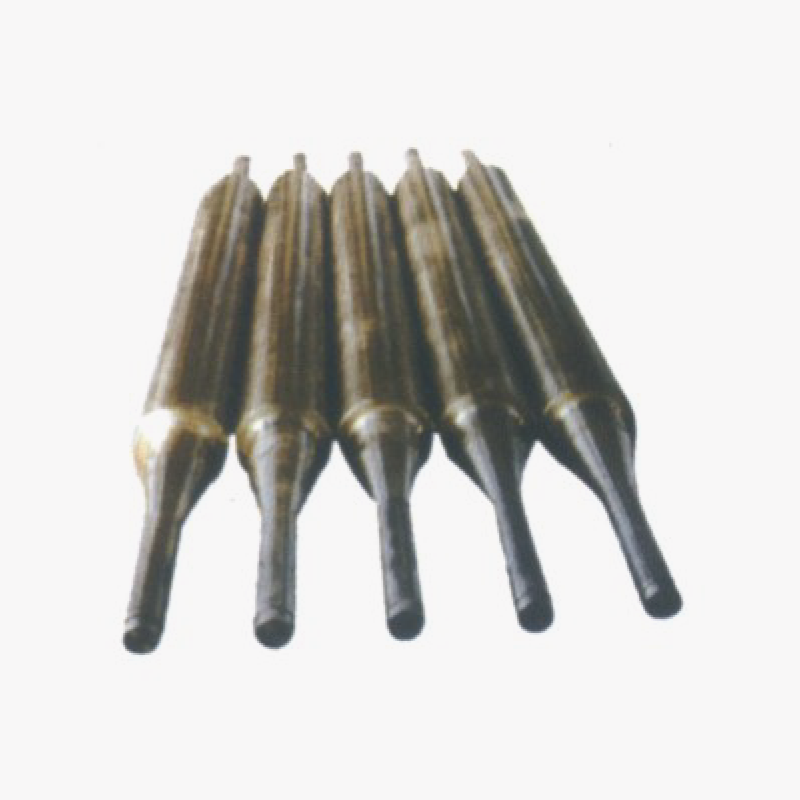
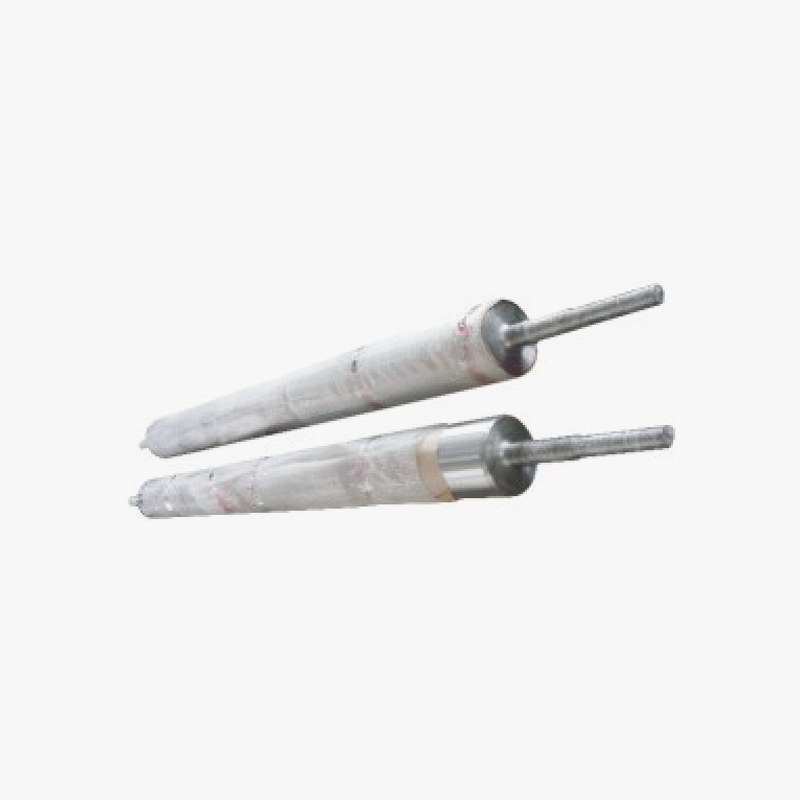
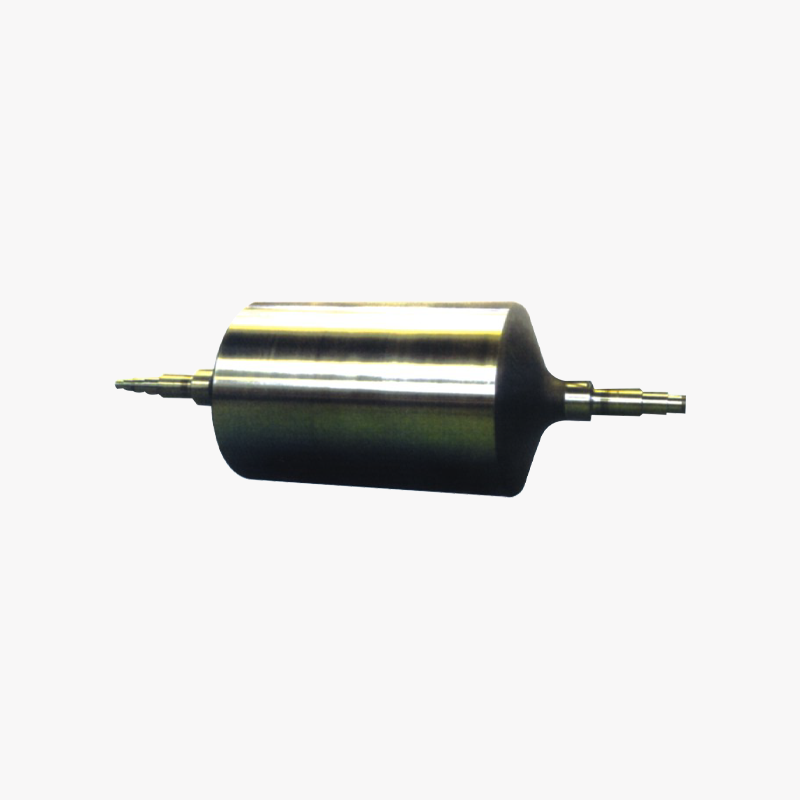
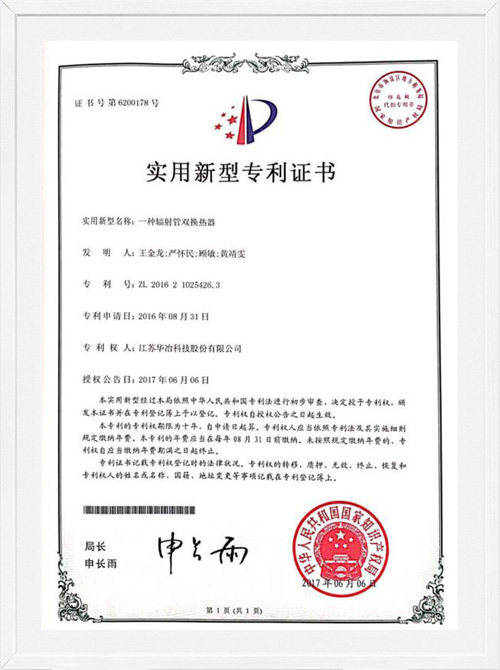
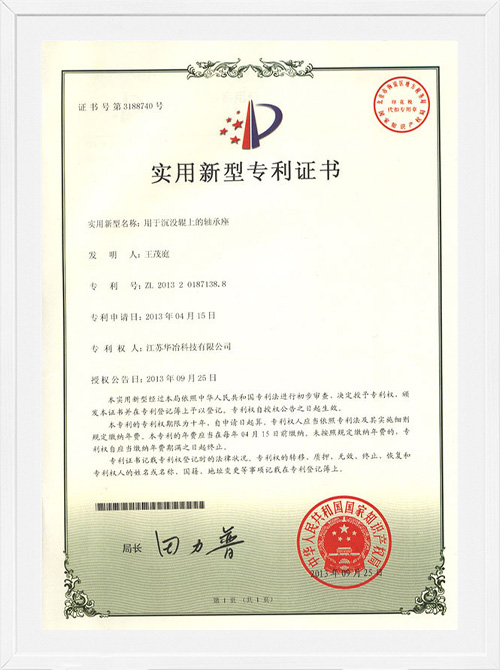
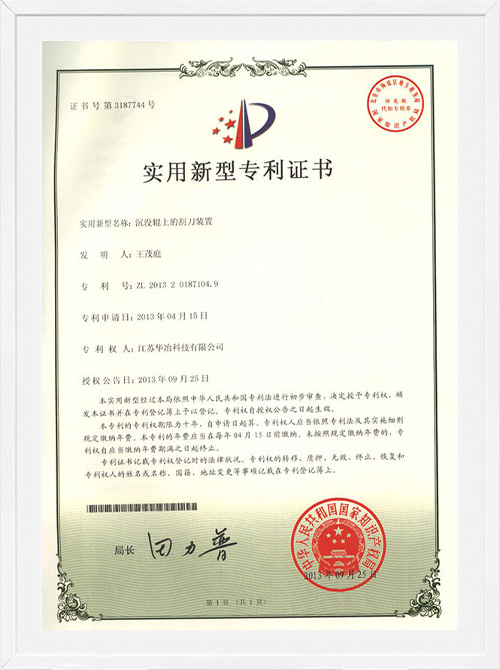
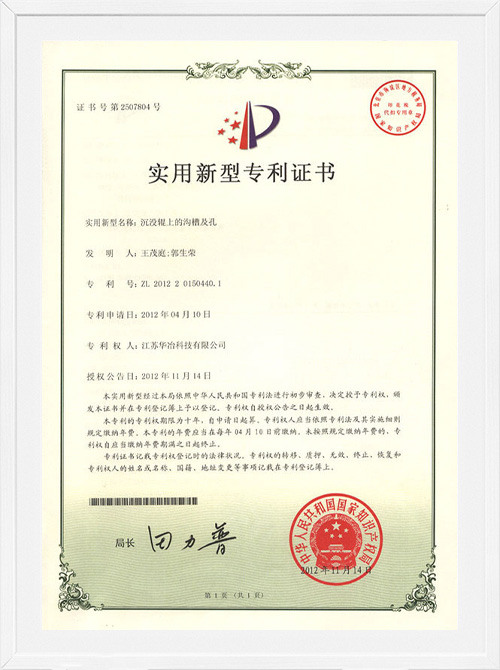
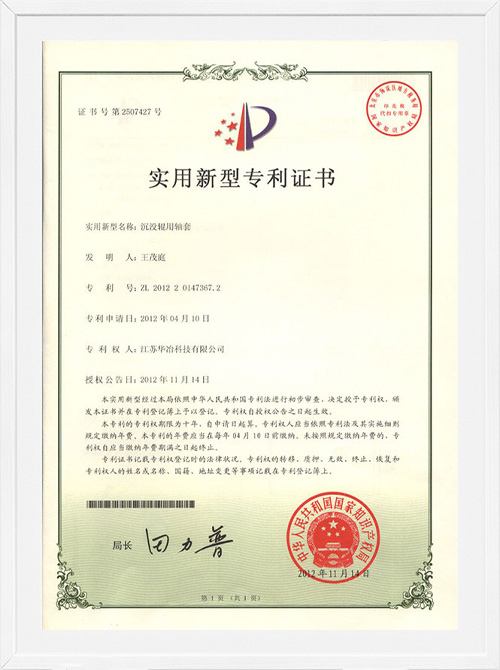
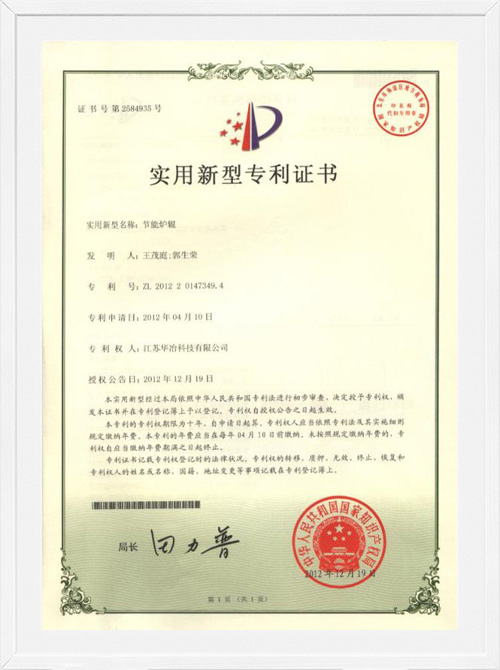
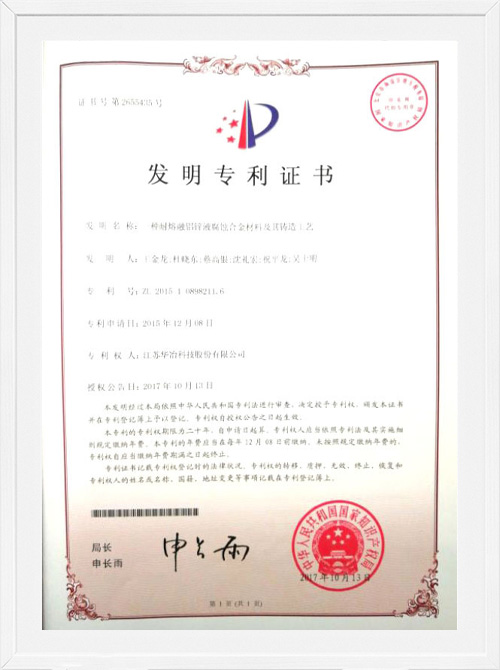
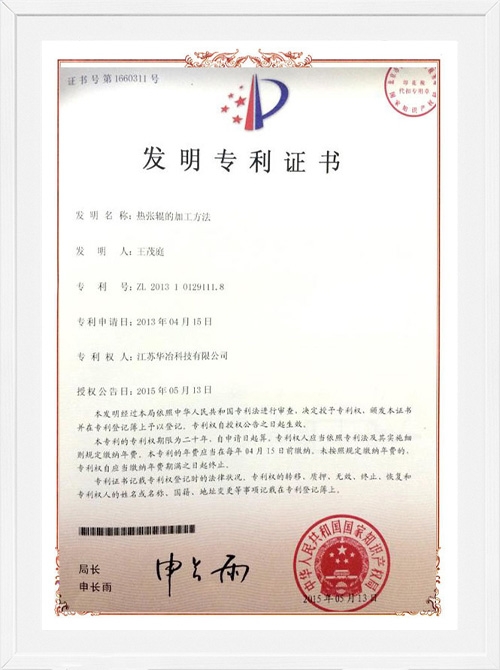
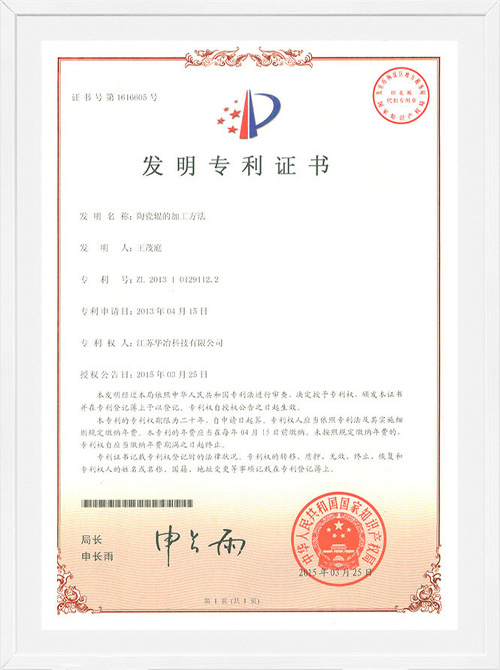
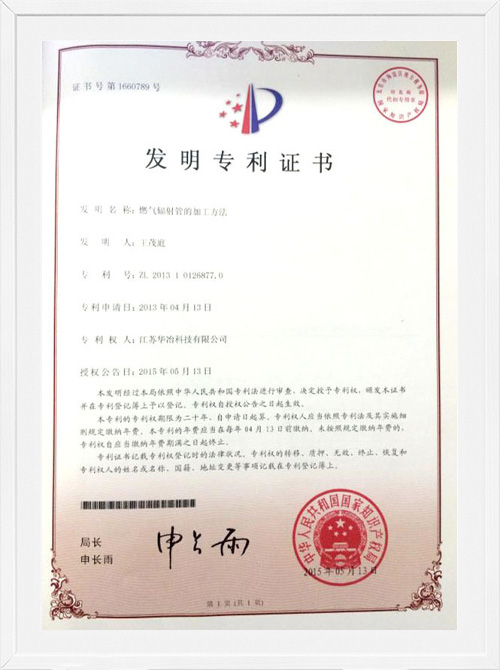
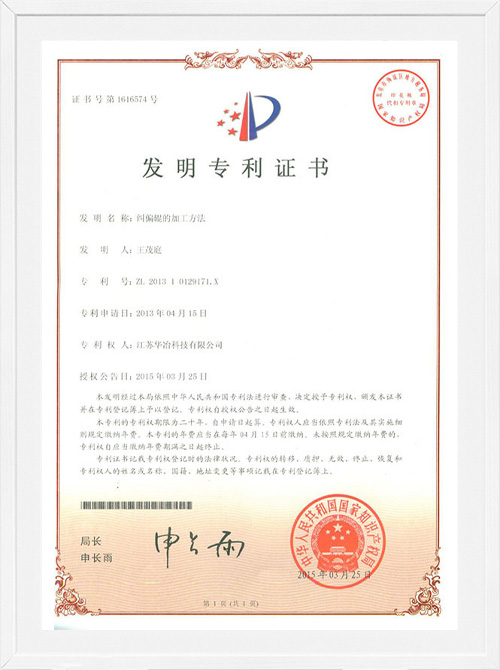
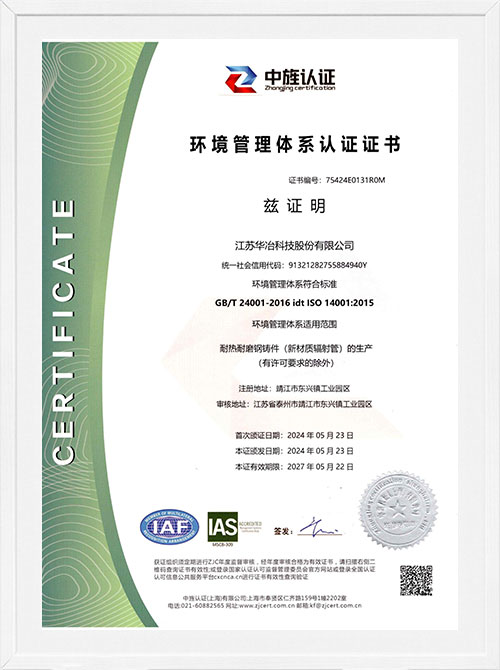
As a processing method that utilizes applied pressure to induce plastic deformation in metals—thereby yielding parts with specific shapes and mechanical properties—forging occupies a pivotal position in modern heavy industry and precision manufacturing. The integration of forging industrial solutions with the quality management system of Jiangsu Huaye Technology Co., Ltd. not only underscores the rigor inherent in the process but also exemplifies the broader trend of industrial manufacturing moving toward higher standards.
I. Core Classifications and Technical Pathways in Forging Processes
In industrial applications, forging processes are categorized into several specialized fields based on factors such as deformation temperature and die type. The selection of each specific pathway directly influences the internal microstructure of the final product.
Technical Advantages of Hot Forging
Hot forging is a processing operation conducted at temperatures above the metal's recrystallization point. This process significantly reduces the metal's resistance to deformation, thereby facilitating the formation of parts with complex geometries. Through hot forging, internal porosity within the metal can be effectively eliminated, and the grain flow can be optimized, ultimately enhancing the part's impact toughness.
Precision Control in Cold Forging and Warm Forging
In contrast to hot forging, cold forging is performed at room temperature and offers exceptional dimensional tolerances and surface finishes. Warm forging strikes a balance between the two, aiming to optimize both material flow characteristics and surface quality. These processes are particularly prevalent in the manufacturing of automotive components and fasteners.
Application Distinctions: Open-Die Forging vs. Closed-Die Forging
Open-die forging relies primarily on general-purpose tools to perform simple plastic deformation on a workpiece, making it suitable for large, geometrically simple forgings. Conversely, closed-die forging utilizes precisely engineered dies to confine and shape the metal within a restricted cavity, enabling high-volume production of parts with high complexity and exceptional repeatability.
II. Material Microstructure and Quality Stability in the Forging Process
Forging is not merely a process of altering shape; it is fundamentally a process of reshaping the metal's internal microstructure.
Optimization of Grain Flow Distribution
During the forging process, the fibrous structure within the metal aligns itself along the contours of the part, forming continuous "grain flow lines." This specific grain flow distribution—a characteristic unattainable through casting processes—significantly enhances the part's fatigue strength when subjected to cyclic loading.
Grain Refinement and Enhanced Mechanical Properties
By precisely controlling the forging ratio and deformation rate, the metal's grains are refined, resulting in a denser and more compact internal structure. This directly enhances the material's hardness, tensile strength, and ductility, enabling it to withstand extreme operating conditions such as high temperatures and high pressures.
Ensuring Process Consistency
Under the rigorous process controls of Jiangsu Huaye Technology Co., Ltd., every stage—from billet heating and initial forging temperatures to final cooling—is maintained under strict supervision. This standardized management ensures that, even during large-scale production, the physical properties of every single forging remain highly consistent.
III. Advanced Application Scenarios for Forging Industry Solutions
Given their exceptional safety characteristics, forged components are widely deployed in critical sectors where catastrophic failure is absolutely impermissible.
Energy and Heavy Machinery
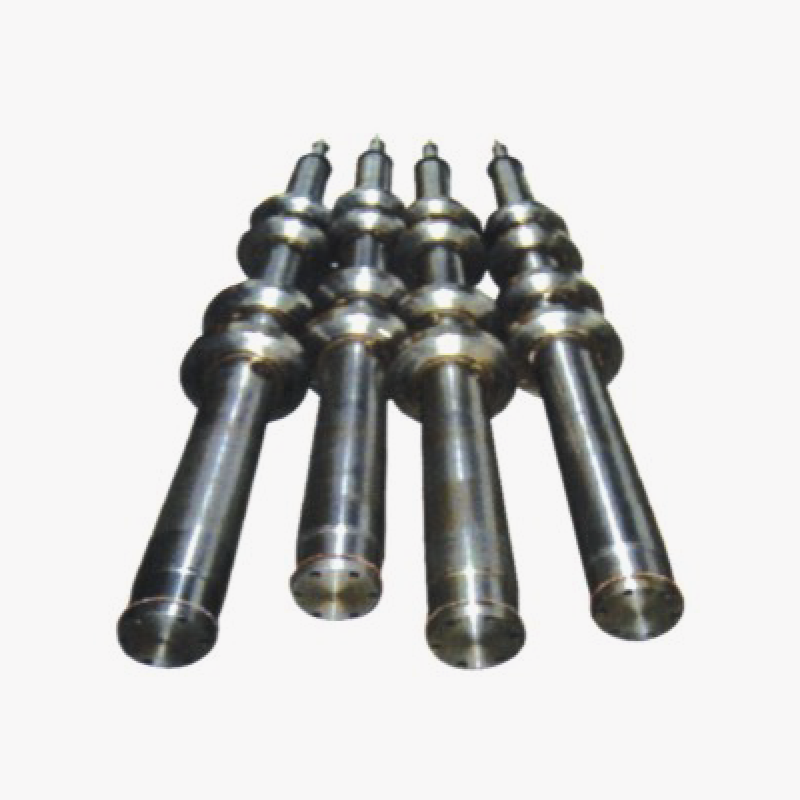
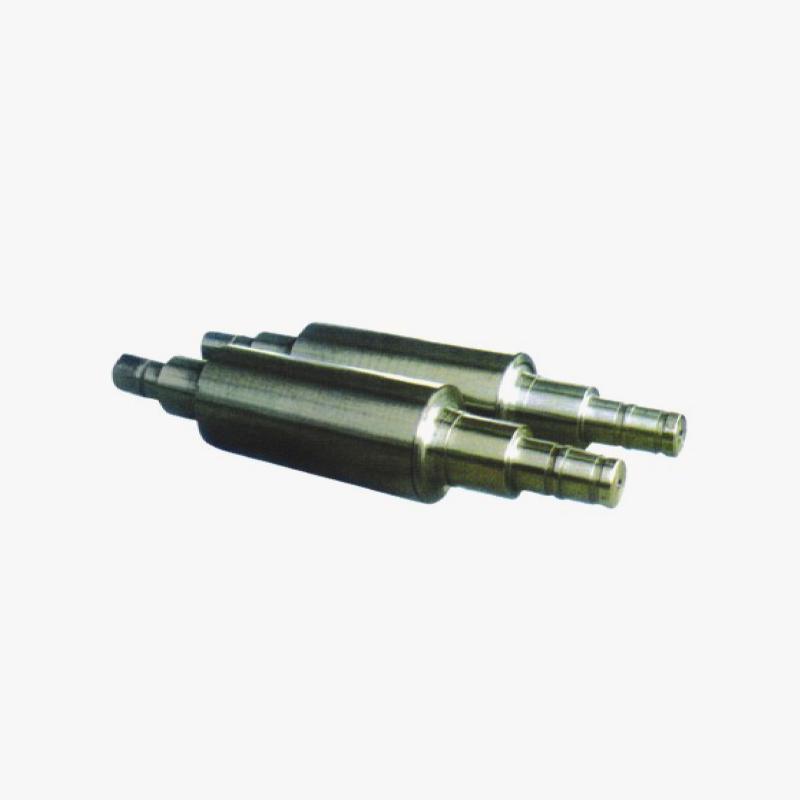
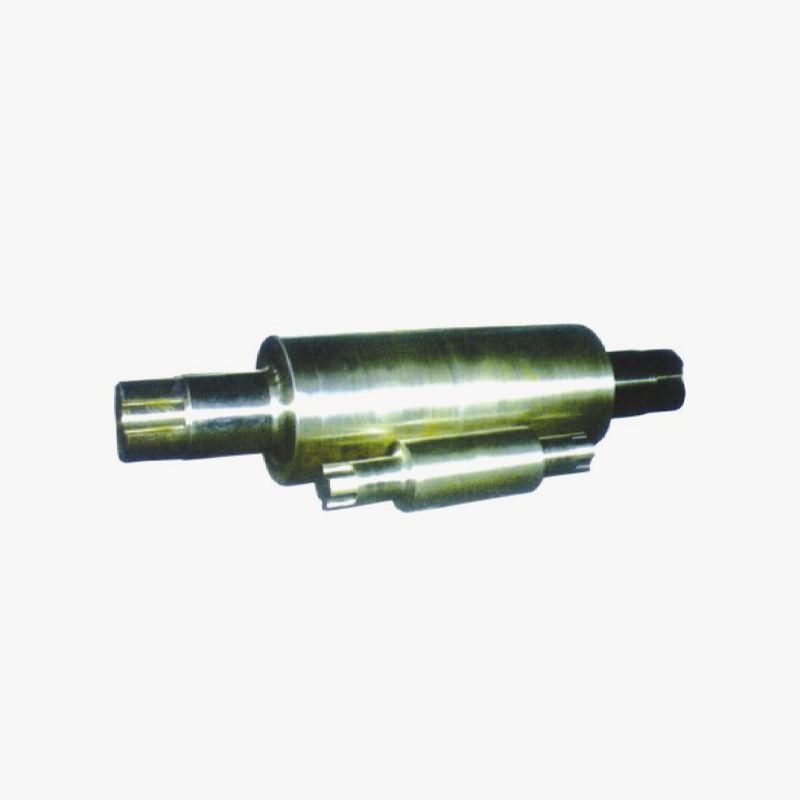
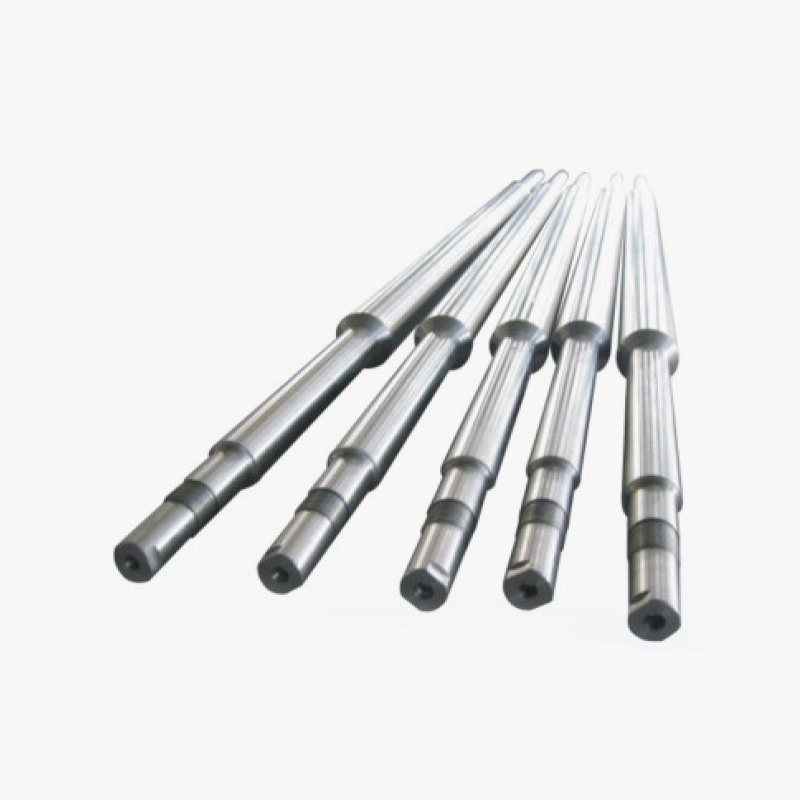
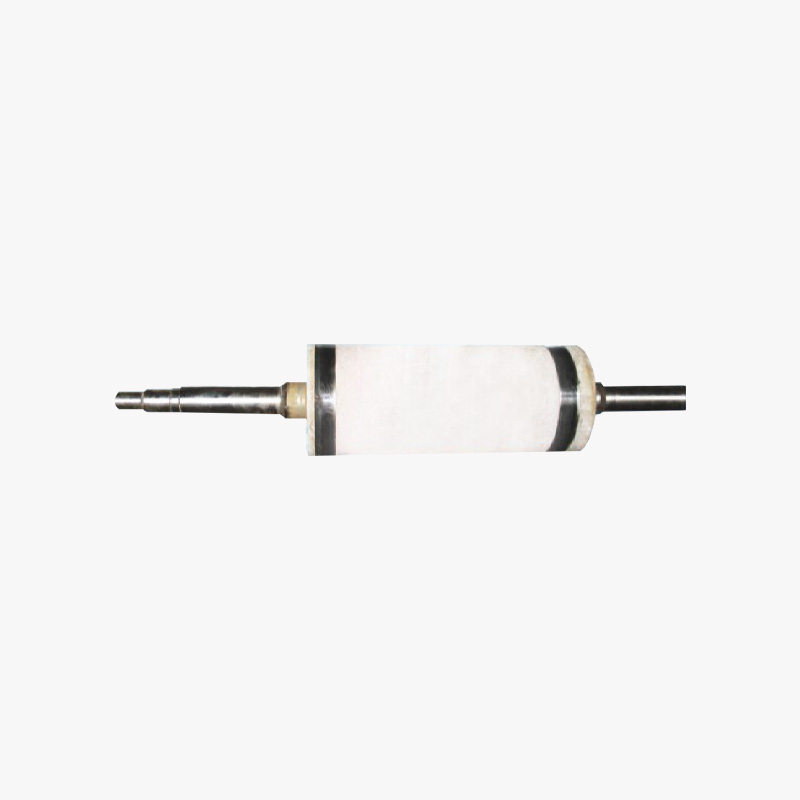
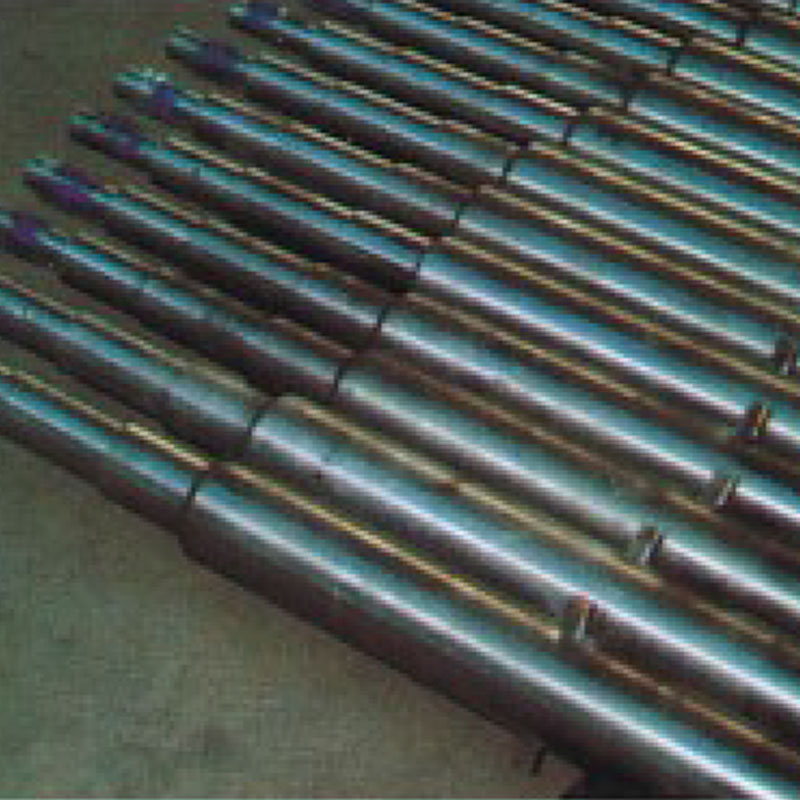
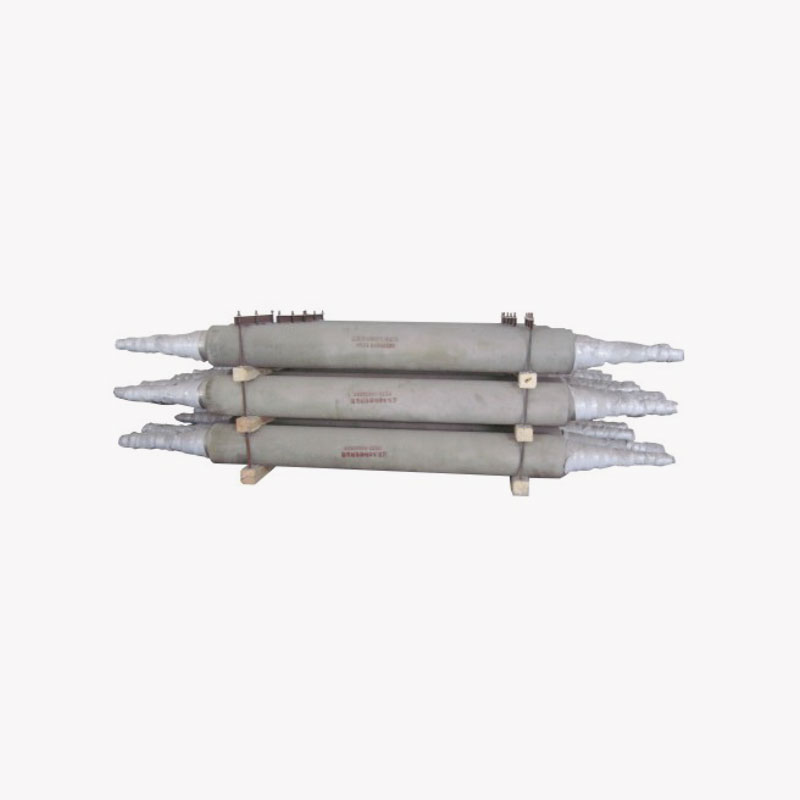
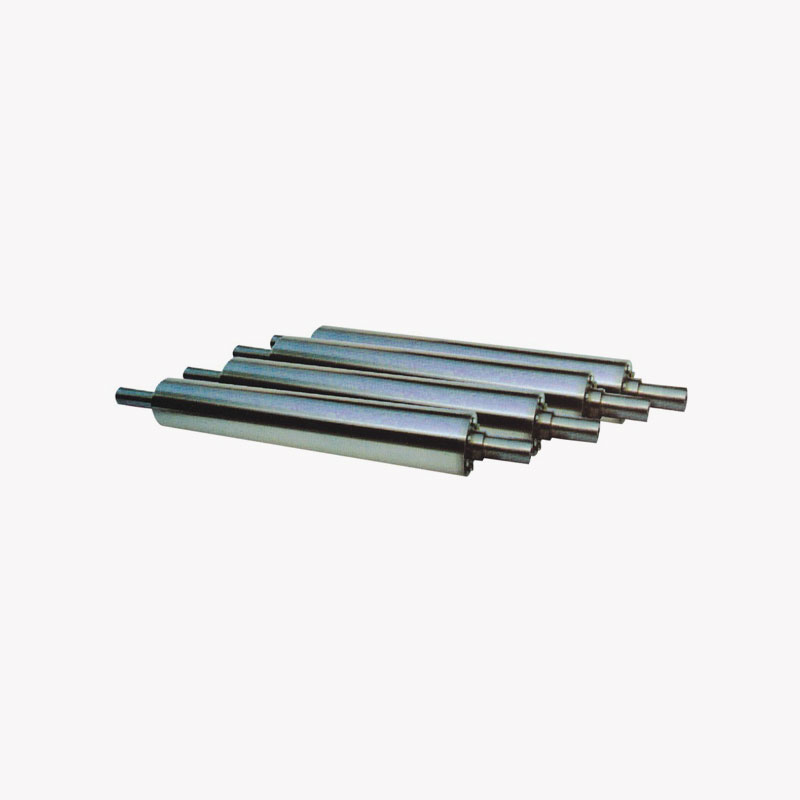
In power generation facilities, oil drilling equipment, and heavy-duty hydraulic systems, critical load-bearing components—such as main shafts, flanges, and high-pressure valve bodies—are typically produced via forging to withstand immense operating pressures and complex corrosive environments.
Transportation and Rail Transit
Crankshafts and connecting rods in high-performance automobiles, as well as wheel axles in rail transit systems, rely on forging technology to provide the necessary safety margins.
Fluid Control and Piping Engineering
In demanding fluid systems, forged pipe fittings are the preferred choice for connection and control systems due to their superior sealing performance and pressure-bearing capabilities.
Comparison Table of Key Forging Process Characteristics
| Dimension |
Open Die Forging |
Closed Die Forging (Precision Forging) |
Ring Rolling |
| Processing Flexibility |
Extremely high; ideal for single pieces or small batches. |
Lower; requires custom-designed die sets. |
Specialized for seamless ring-shaped components. |
| Material Utilization |
Lower; requires significant machining allowance. |
High; produces "near-net shape" components. |
Extremely high; minimal material waste. |
| Internal Grain Flow |
Follows the general direction of deformation. |
Conforms strictly to the die contour for maximum strength. |
Distributed circumferentially along the ring radius. |
| Surface Quality |
Relatively rough; requires secondary machining. |
Precise with excellent surface finish and tolerances. |
Uniform and consistent across the diameter. |
| Typical Applications |
Massive main shafts, heavy-duty modules, and large rotors. |
Connecting rods, high-pressure valve bodies, and gear blanks. |
Bearing races, aerospace rings, and heavy-duty flanges. |
Frequently Asked Questions (FAQ)
Q1: Why are forgings generally preferred over castings in industrial production?
Through pressure processing, forgings eliminate internal porosity and segregation within the metal; consequently, their density and grain refinement levels are significantly superior to those of castings. Furthermore, the unique flow-line structure inherent to forgings endows them with exceptional tensile strength and fatigue resistance.
Q2: How is quality consistency ensured across different batches of forgings?
Quality consistency stems from process control applied throughout the entire production cycle. For instance, the quality assurance system implemented by Jiangsu Huaye Technology Co., Ltd. ensures that every product batch meets predetermined technical specifications through the rigorous recording and execution of procedures covering raw material intake, heating temperature profiles, forging pressure parameters, and heat treatment processes.
Q3: How does the forging ratio impact part performance?
The forging ratio is a key metric for quantifying the degree of deformation. An appropriate forging ratio effectively breaks down the as-cast structure and enhances material density. However, an excessively high forging ratio can lead to a decline in transverse mechanical properties; therefore, professional industrial solutions involving scientific calculations are required to determine the optimal ratio.
Q4: What role does heat treatment play in the forging industry?
Post-forging heat treatments—such as normalizing, quenching, and tempering—are performed to relieve residual stresses, adjust hardness, and further refine the metallographic structure. This constitutes an indispensable step in ensuring that forgings achieve their required final performance characteristics for intended applications.
Q5: How does die design directly influence forging quality?
Die design dictates the manner in which the metal flows during the forging process. A scientifically engineered die cavity guides the metal to fill the mold uniformly, thereby preventing defects such as folds or cracks and ensuring the structural integrity of parts with complex geometries.
By integrating advanced forging technologies with the ISO 9001 quality management system upheld by Jiangsu Huaye Technology Co., Ltd., the modern industrial sector is able to produce products characterized by both high strength and exceptional reliability. This unwavering commitment to process control and technical precision serves as the cornerstone upon which forging industry solutions maintain their competitive edge in the global trade and manufacturing arenas.
 No. 308, Gongxin Road, Industrial Park, Dongxing Town, Jingjiang City, Jiangsu Province, China
 English
 Español
 русский
 中文简体
中文简体