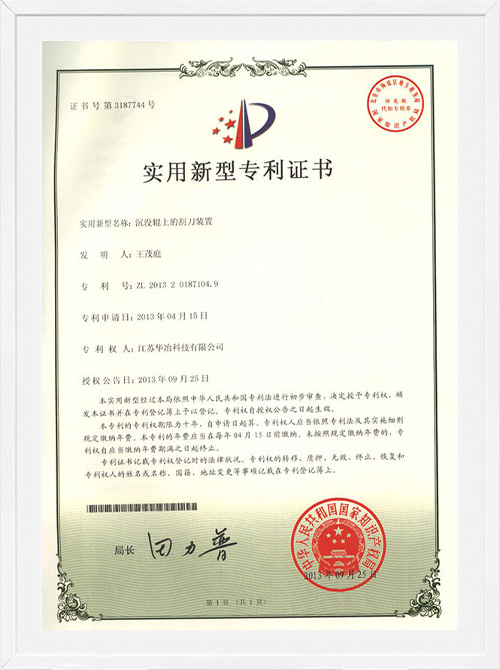
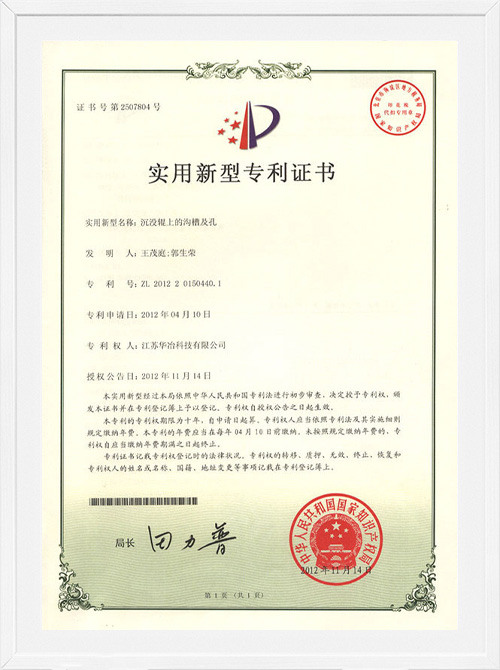
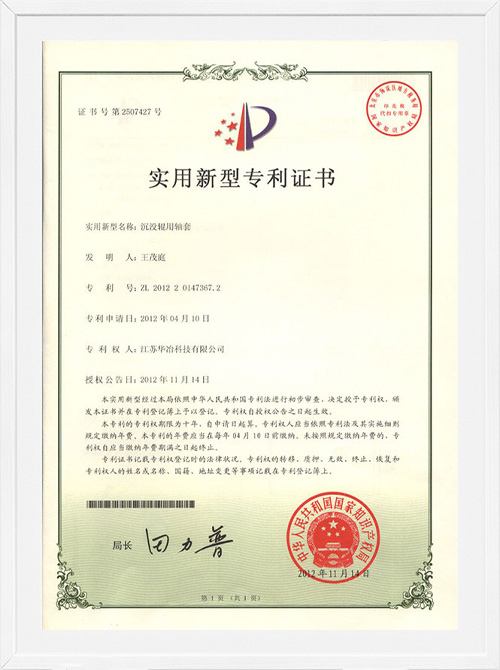
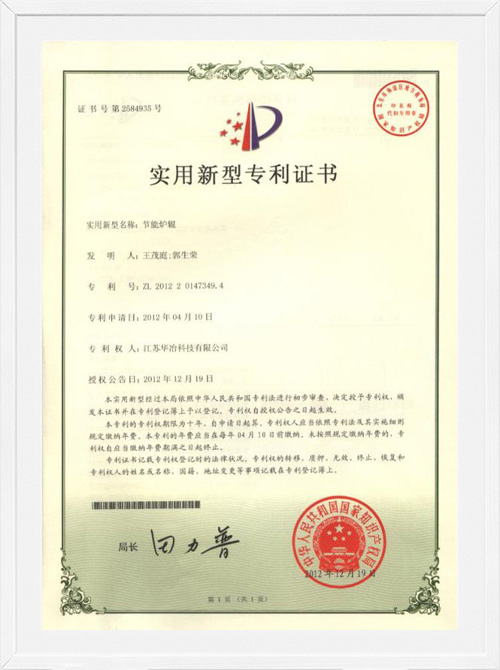
In modern Continuous Galvanizing Line (CGL) and Galvalume production processes, the **Three-Roller Six-Arm** system—situated within the zinc pot section—serves as the core actuating mechanism determining both the surface quality of the steel strip and overall production stability. Leveraging its extensive R&D expertise in heat-resistant and wear-resistant alloy castings, Jiangsu Huaye Technology Co., Ltd. has established a comprehensive supply chain spanning from material modification to finished product delivery, thereby ensuring the long-term, stable operation of the submerged roller system within the harsh environment of molten zinc.
I. Composition and Functional Logic of the Three-Roller Six-Arm System
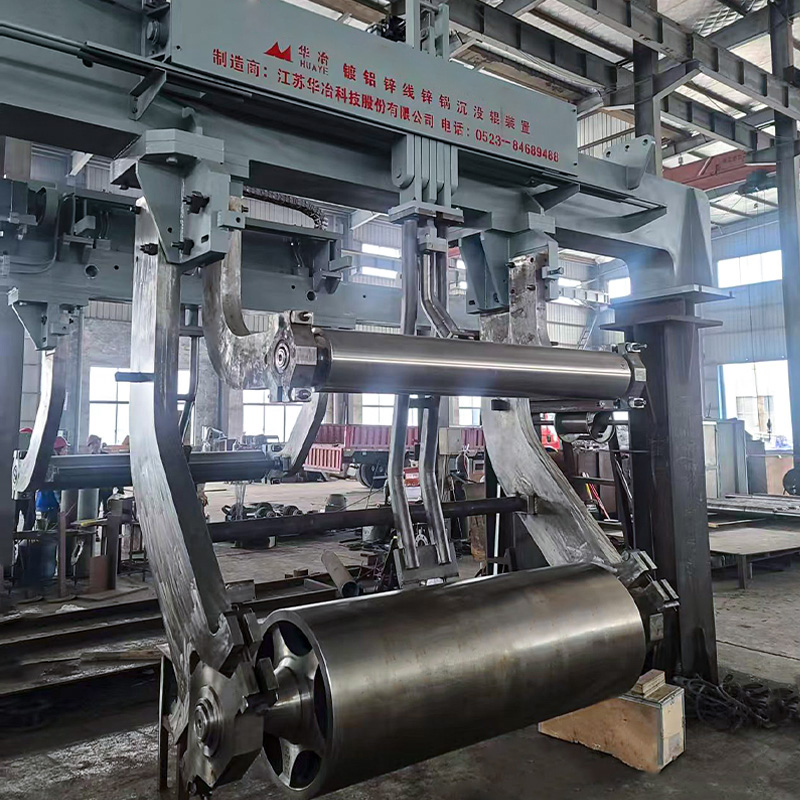
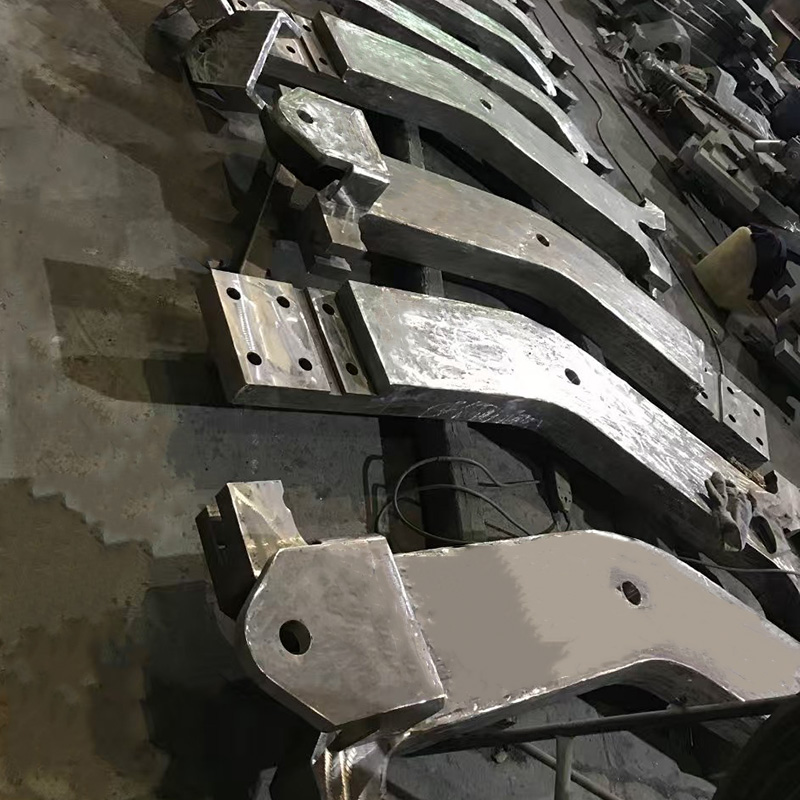
The Three-Roller Six-Arm system is not a single device, but rather a precision transmission assembly comprising three core roller units and their six accompanying support arms.
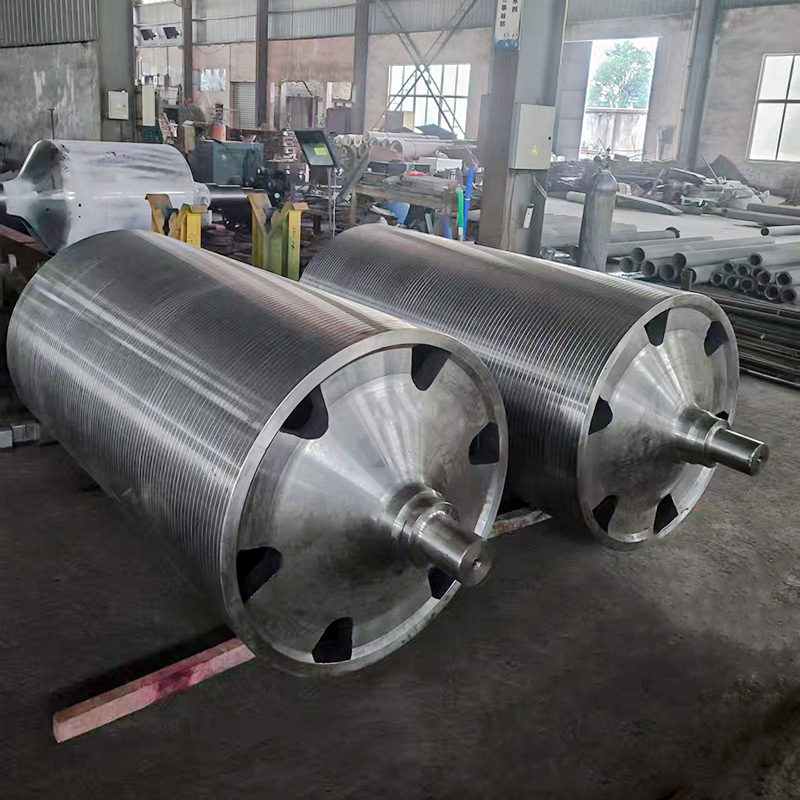
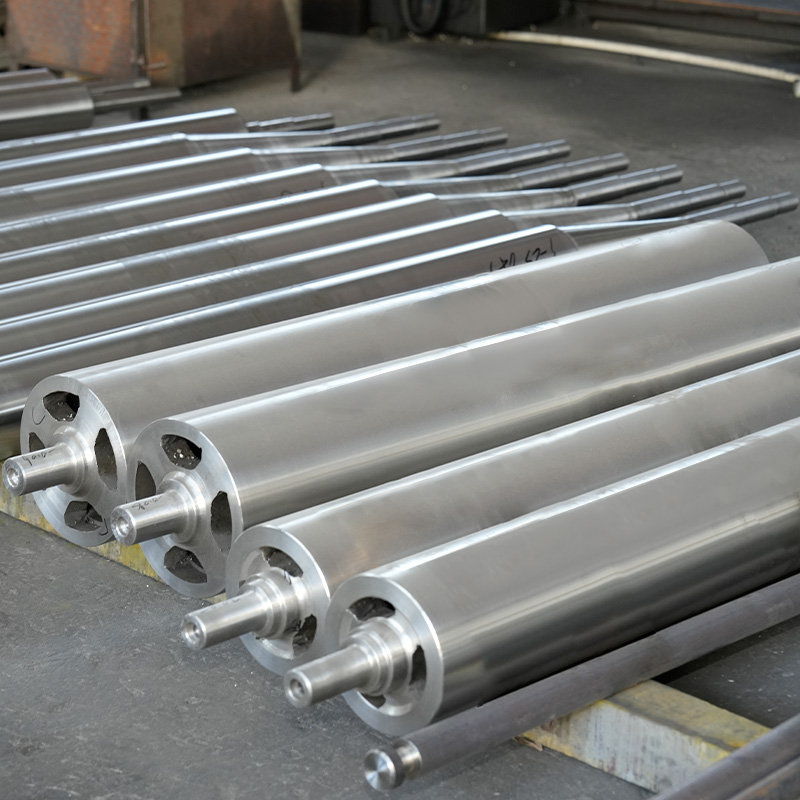
Sink Roll and Support Arms:
Located at the center of the zinc pot, the sink roll is responsible for guiding the annealed steel strip into the molten zinc bath and facilitating its directional change. Since it remains fully submerged in high-temperature molten zinc, its accompanying support arms must possess exceptional structural strength and creep resistance to withstand the immense loads generated by the tension of the moving steel strip.
Stabilizing Rolls and Support Arms:
Typically, two sets of stabilizing rolls are deployed, positioned along the rising section of the steel strip immediately after it exits the zinc pot. Their primary function is to suppress vibrations and fluttering of the steel strip during high-speed operation, ensuring a constant gap as the strip passes through the air knives, thereby enabling precise control over coating thickness.
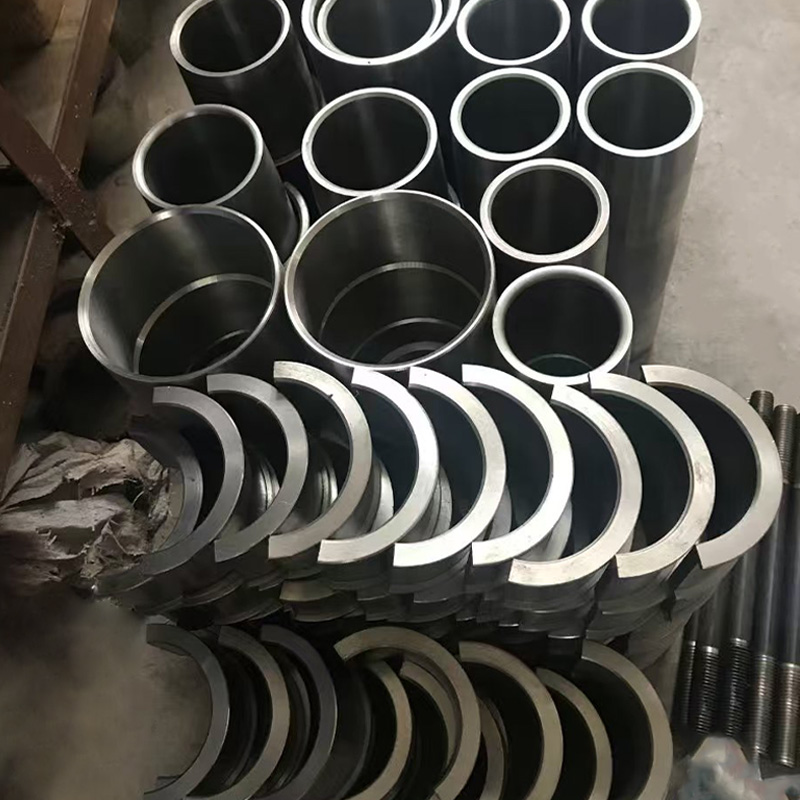
Shaft Head and Bushing Assemblies:
These components constitute the critical wear-prone interface located at the extremities of the support arms. Subjected to the corrosive and erosive forces of the molten zinc, the precision of the fit between the shaft head and the bushing directly determines the roller's radial runout tolerance, which, in turn, impacts the uniformity of the steel strip's surface coating.
II. The Fusion of Materials Engineering and Manufacturing Processes
In manufacturing precision components such as the Three-Roller Six-Arm system, Jiangsu Huaye Technology Co., Ltd. has focused on resolving a critical industry challenge: corrosion caused by high-temperature molten metals.
High-Performance Alloy Casting: Capitalizing on the company's annual casting capacity of 10,000 tons, the process utilizes specialized stainless steels as well as cobalt-based and nickel-based alloys. Through precision casting techniques, the internal microstructure of the support arms is ensured to be dense—free from porosity or sand inclusions—thereby significantly enhancing their resistance to penetration by molten zinc.
Surface Functionalization: For the roller surfaces of the "three-roller, six-arm" assembly, it is typically necessary to apply High-Velocity Oxygen Fuel (HVOF) spraying or ceramic coating treatments. These processes significantly enhance the wear resistance of the roller surfaces and minimize the adhesion of zinc dross.
Precision Dynamic Balancing: As high-speed rotating components, each roller within the "three-roller, six-arm" assembly undergoes rigorous dynamic balancing testing prior to assembly; this prevents the transmission of vibrations to the steel strip surface, thereby avoiding the formation of chatter marks.
III. Reference Comparison of Key Technical Parameters for the "Three-Roller, Six-Arm" Assembly
| Core Component |
Primary Material Type |
Core Functional Objective |
Maintenance Cycle Reference |
| Sink Roll |
316L / Special Alloy Steel |
Directional guidance; sustaining strip tension within the molten bath. |
Dependent on production line tonnage and throughput. |
| Stabilizing Roll |
Heat-resistant Stainless Steel + Ceramic Coating |
Vibration suppression; precise control of strip flatness. |
Frequent inspection of surface wear and roughness. |
| Six-Arm Support Mechanism |
Centrifugally Cast Heat-resistant Steel |
Structural support; resistance to thermal deformation and creep. |
Periodic calibration of geometric dimensions and alignment. |
| Bushing & Sleeve Assembly |
Ceramics / Stellite (Cobalt-chromium alloy) |
Minimizing frictional resistance; preventing rotational seizure. |
Subject to preventative replacement protocols. |
IV. Frequently Asked Questions (FAQ) Regarding Industry Applications
Q1: Why is the selection of materials for the "Three-Roll, Six-Arm" system so critical for Jiangsu Huaye Technology Co., Ltd.?
A: In molten zinc baths ranging from 450°C to 480°C, ordinary metals are highly susceptible to the "iron-zinc reaction," which leads to dissolution and material loss. By optimizing alloy compositions, Jiangsu Huaye has successfully minimized the chemical reaction rate between the "Three-Roll, Six-Arm" components and the molten zinc, all while maintaining the requisite structural strength.
Q2: How is the issue of deformation in submerged roll arms during long-term operation addressed?
A: Deformation primarily results from the combined effects of thermal stress and mechanical tension. During the design phase, extensive simulation calculations are performed; subsequently, residual stresses are eliminated through specialized heat treatments during the manufacturing process. Jiangsu Huaye’s comprehensive service package includes post-sales monitoring, which effectively assists clients in assessing the fatigue life of the roll arms.
Q3: What direct impact does the stability of the "Three-Roll, Six-Arm" system have on the finished steel strip?
A: If the rigidity of the stabilizing roll arms is insufficient, the steel strip may exhibit a wavy oscillation as it passes through the air knife. This leads to periodic fluctuations in coating thickness and, in severe cases, can result in surface scratches on the steel strip or an uneven distribution of zinc spangles.
Q4: Which specific components typically experience the most significant wear?
A: The areas most prone to wear are typically the bearing housings and bushings of the support arms, as well as the edges of the roll surfaces that come into direct contact with the steel strip. Through the comprehensive after-sales support provided by Jiangsu Huaye, targeted repairs and component replacements can be effectively implemented.
V. The Value of Comprehensive Service
As an entity deeply rooted in the manufacturing sector, Jiangsu Huaye Technology Co., Ltd. offers more than just standalone products; we view the "Three-Roll, Six-Arm" system as a holistic technological solution. From cutting-edge material science research at the front end to precision casting and machining in the mid-stream, and finally to customized delivery tailored to the specific environments of various production lines at the back end—this end-to-end approach ensures the optimal performance of the "Three-Roll, Six-Arm" system under conditions involving high temperatures, heavy loads, and highly corrosive environments.
By maintaining rigorous control over every single node in the production process, the "Three-Roll, Six-Arm" system effectively extends the production line's uptime, reduces downtime costs associated with frequent roll changes, and provides reliable foundational hardware support for steel enterprises worldwide.
 No. 308, Gongxin Road, Industrial Park, Dongxing Town, Jingjiang City, Jiangsu Province, China
 English
 Español
 русский
 中文简体
中文简体