No. 308, Gongxin Road, Industrial Park, Dongxing Town, Jingjiang City, Jiangsu Province, China
 [email protected]/ [email protected]
 English
 Español
 русский
 中文简体
中文简体 No. 308, Gongxin Road, Industrial Park, Dongxing Town, Jingjiang City, Jiangsu Province, China[email protected]/ [email protected]
If you manage a large warehouse, an aircraft hangar, or a busy factory floor, you have probably walked under ceiling-hung heating systems and noticed that some spaces feel warm immediately while others still hold a chill at head height long after the thermostat registers the target temperature. That difference often comes down to how the heat is delivered. A radiant tube heater does not work by blowing hot air. Instead, it sends energy downward, much like sunlight, warming the floor, equipment, and people first. This article explains how does a radiant tube heater work step by step, why that matters for energy efficiency, and where the same physical principle shows up in demanding industrial furnace environments.
Content
Before walking through the operating sequence, it helps to know the physical parts inside a typical gas-fired system. A standard radiant tube heater used for building heating includes a burner box where fuel and air mix and ignite, a heat-resistant metal radiant tube that carries hot combustion gas, a highly reflective shield above the tube to redirect upward radiation back toward the floor, a fan or blower assembly at one end to move exhaust gas through the system, and safety controls such as a thermostat, gas valve, ignition electrode, and pressure switch. The entire assembly runs horizontally several feet below the ceiling, often suspended by chains or brackets, angled slightly toward one end to allow condensation to drain.
The real answer to "how does a radiant tube heater work" unfolds in a predictable chain of events, all happening within seconds of a thermostat call:
One important physical concept here is thermal stratification. In forced-air heating, hot air rises and accumulates at the ceiling, making temperature differences between the roof and the floor easily 10°C to 15°C in tall buildings. Radiant tube heaters bypass this problem because they do not rely on air as the primary heat transfer medium. Industry reports typically cite operating cost savings of 30% to 50% over warm-air systems in spaces with ceiling heights above 6 meters, largely due to reduced stratification losses. A second physical concept worth noting is the Stefan-Boltzmann relationship: radiated power grows with the fourth power of absolute surface temperature. When the tube runs hotter, the radiant output increases sharply, which is why material selection and tube thickness matter so much for consistent performance.
When specifying a system, you will encounter two burner configurations. In a pull-through design, the exhaust fan sits at the opposite end of the tube from the burner, pulling combustion gas through the full length. This extends the flame further down the tube, producing a more even temperature profile along the entire radiant surface. In a push-through design, the blower sits at the burner end, pushing the air-fuel mixture into the tube. This typically creates a hotter zone near the burner and a cooler zone toward the exhaust end. While both approaches work, pull-through systems tend to suit longer tube runs and applications where uniform floor coverage matters, while push-through systems can be simpler to vent in certain building layouts. Understanding this distinction helps when evaluating what a radiant tube heater working principle means for your specific floor plan and heat distribution requirements.
The efficiency advantage becomes obvious once you compare what gets heated. A unit heater or warm-air blower heats the entire volume of air from floor to ceiling, losing a significant portion of energy to the unused upper space. A radiant tube heater targets the occupied zone directly. Floors, machinery, and workbenches absorb infrared radiation and become thermal storage mass, while the air itself stays cooler at the breathing level. Because warm air is not being forced to rise, the temperature gradient from floor to ceiling stays much flatter — often just 1°C to 3°C difference. That translates into lower fuel consumption, shorter recovery times after bay doors open, and more consistent comfort across large open areas. The same principle also supports zone-based control: you can fire only the tubes above occupied workstations while leaving unused aisles or storage sections at a lower background temperature.
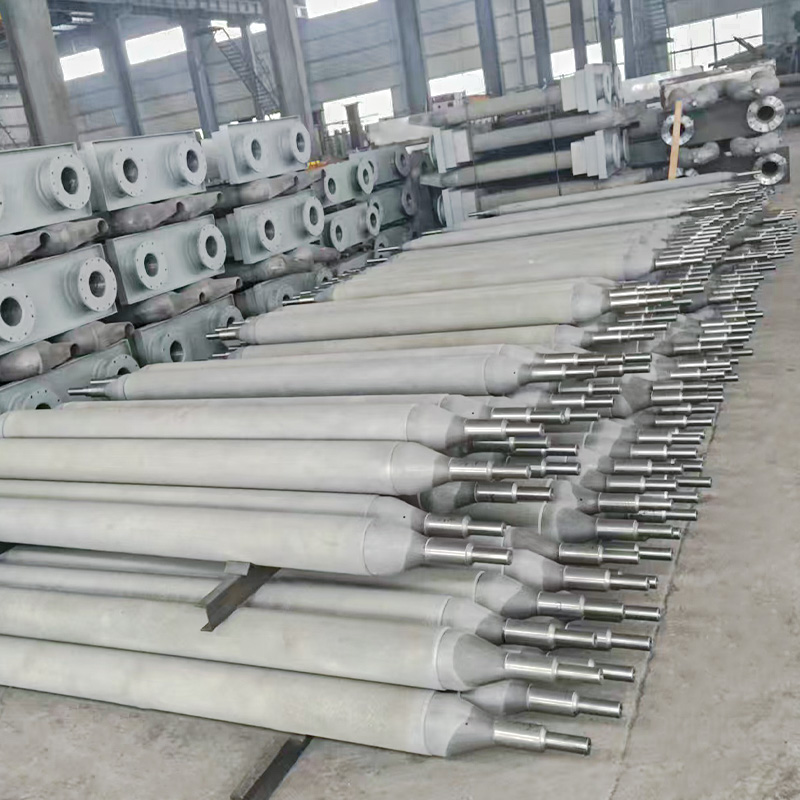
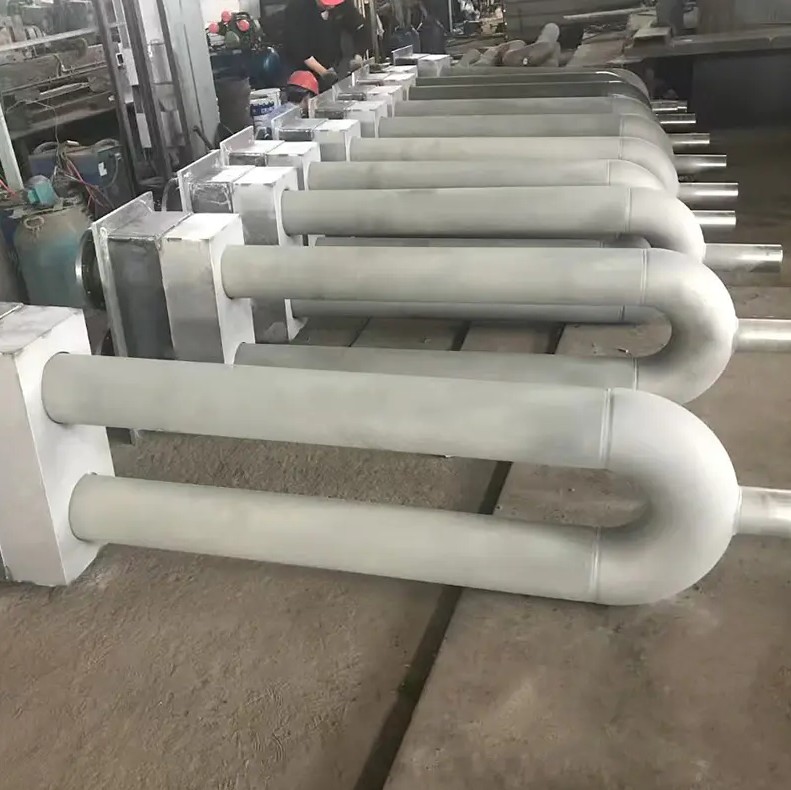
Not all metal tubes handle continuous high-temperature cycling the same way. In building-heating units, tube operating temperatures commonly reach 400°C to 600°C, and in industrial furnace environments that number can climb past 900°C. At these temperatures, ordinary carbon steel oxidizes rapidly, loses structural strength, and can fail through creep deformation — a slow stretching and thinning that accelerates under thermal stress. U-shaped radiant tubes for furnace systems depend on heat-resistant alloys containing chromium, nickel, and silicon to form a dense, adherent oxide layer on the tube surface. This protective scale resists further oxidation and carburization, directly extending service life.
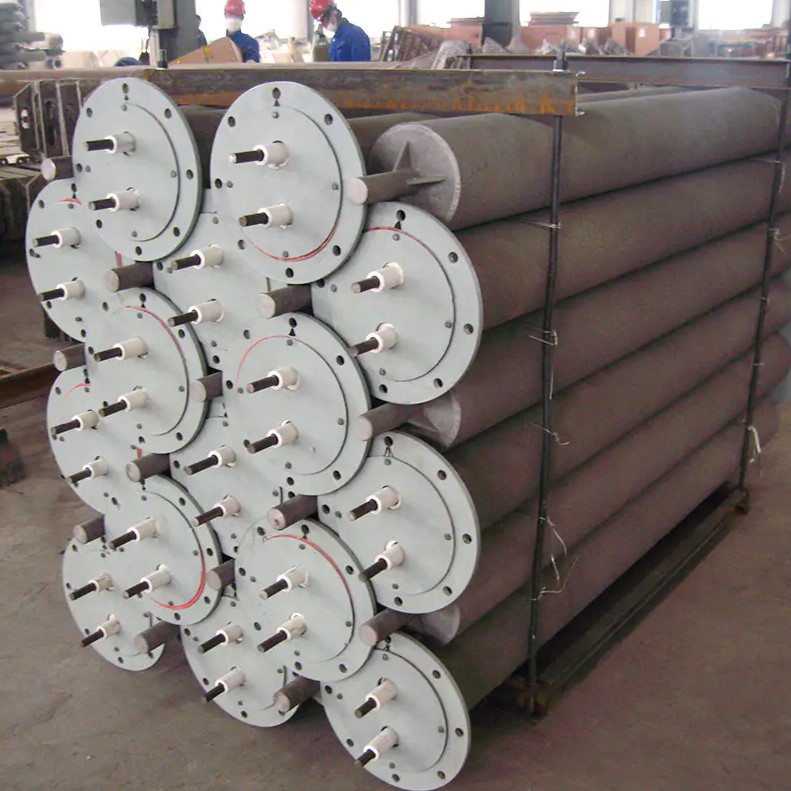
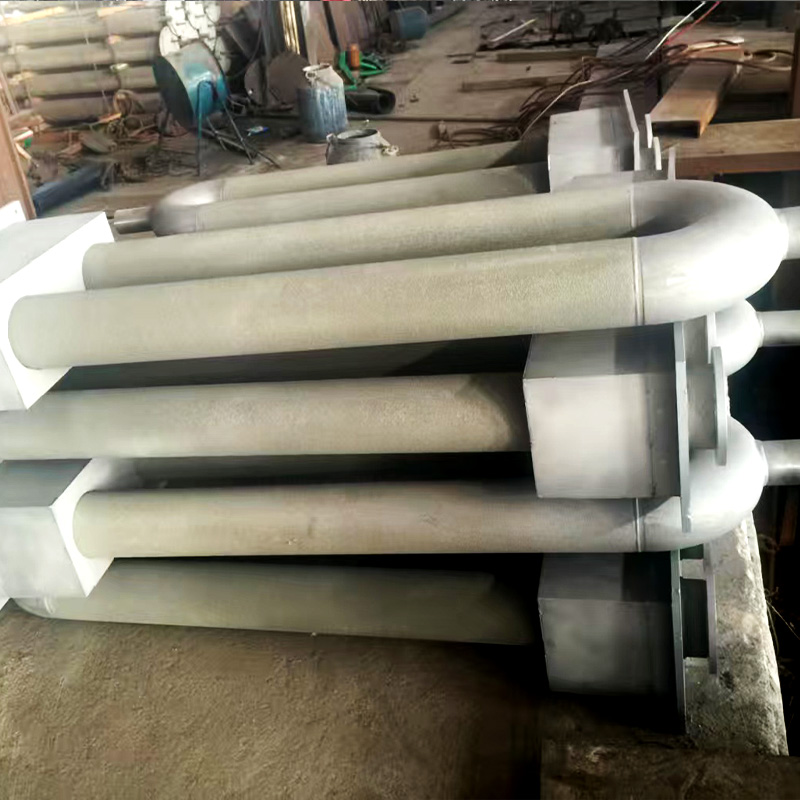 Wholesale U-Shaped Radiant Tube Manufacturer, Exporter CompanyJiangsu Huaye Technology Co., Ltd is China U-shaped radiant tube manufacturer and U-shaped radiant tube exporter company, We custom and w...View Product →
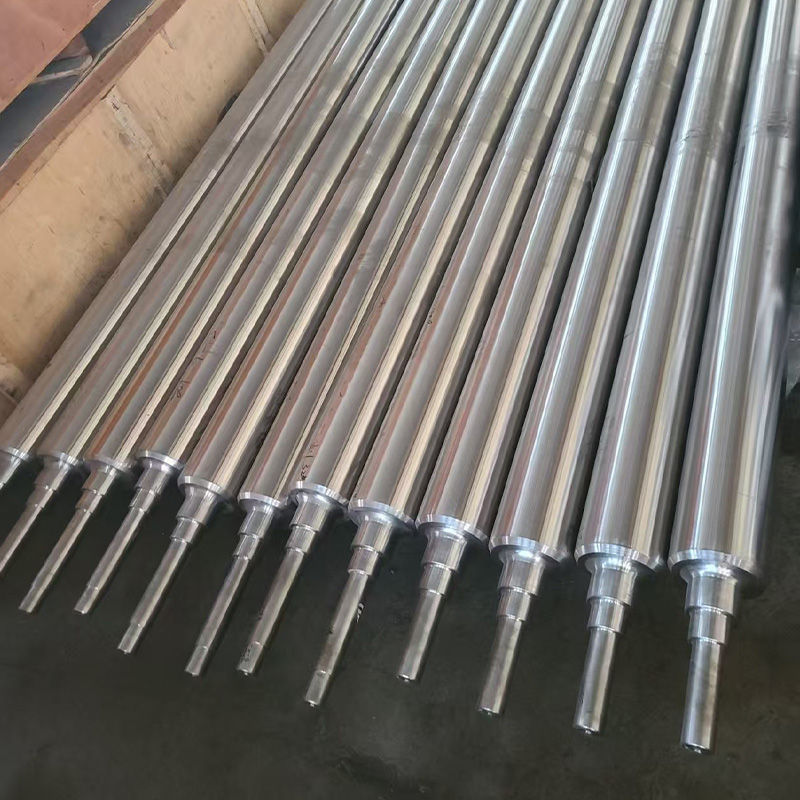
Manufacturing method also matters. Centrifugal casting produces a fine, directionally solidified grain structure with fewer internal voids than static casting, giving the tube better thermal fatigue resistance under repeated heating and cooling cycles. The tube's surface emissivity — its ability to radiate energy efficiently — changes over time as the oxide layer develops, and alloy composition influences how stable that emissivity remains across thousands of operating hours. In aggressive atmospheres containing sulfur-bearing gases or carbon-rich furnace environments, material selection becomes even more critical. Selecting the correct grade of high-temperature alloy keeps the radiant tube heating system performing consistently while avoiding unplanned shutdowns. Industrial furnace operators who need longer replacement intervals often look deeper into high-temperature alloy castings to match tube chemistry with their specific process atmosphere and temperature profile.
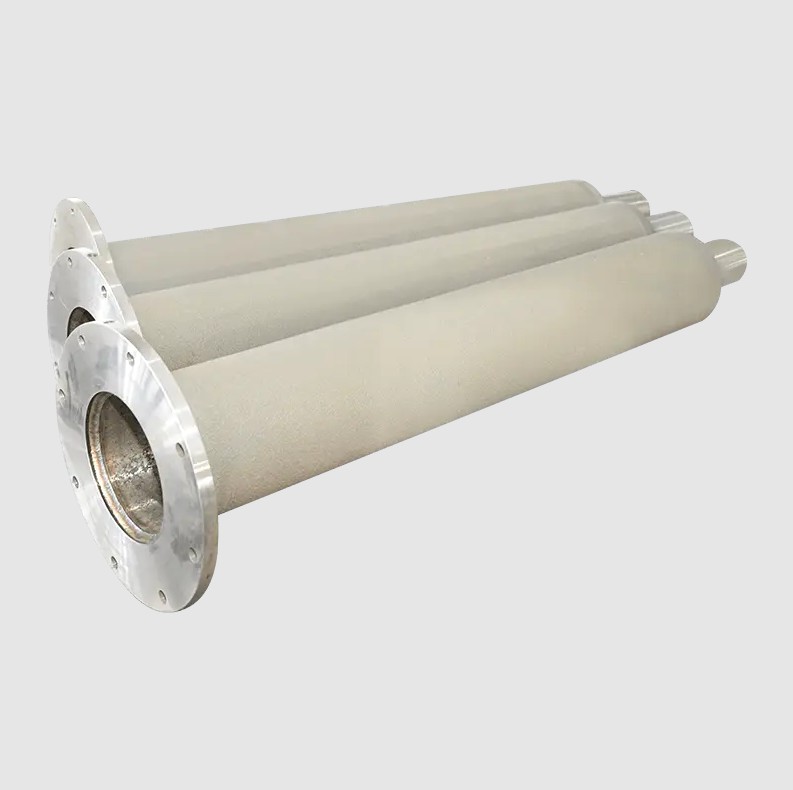
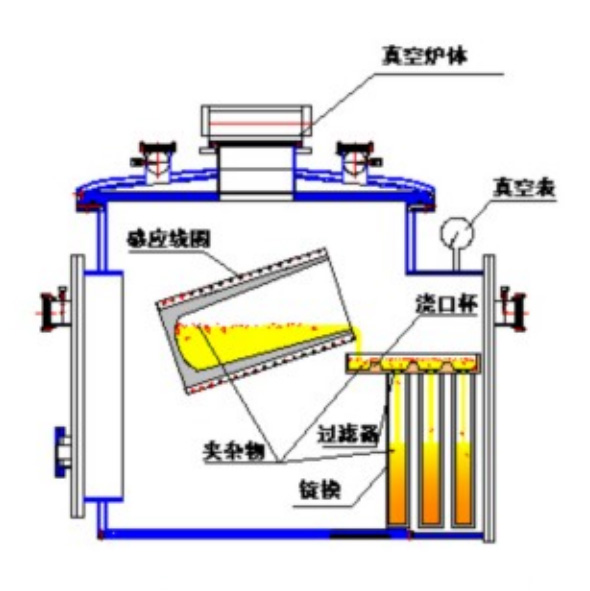 High-Temperature Alloy Castings Manufacturers, Exporter CompanyJiangsu Huaye Technology Co., Ltd is China high-temperature alloy castings manufacturers and high-temperature alloy castings exporter com...View Product →
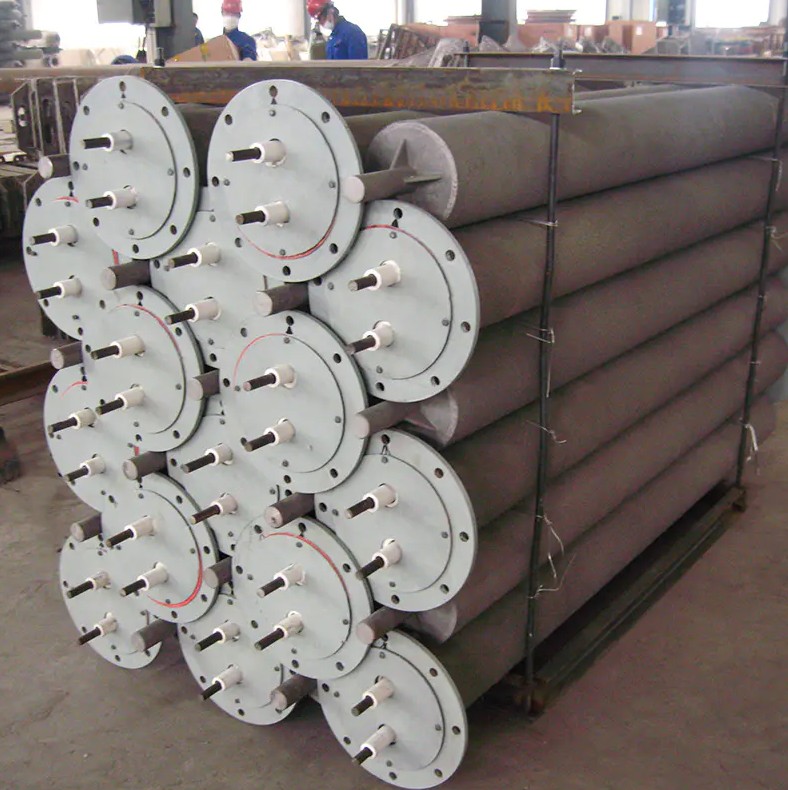
The same physical working principle — burn fuel inside a sealed metal tube and let the hot surface radiate energy — powers equipment that looks quite different from a warehouse heater. In continuous strip annealing lines, galvanizing furnaces, and heat treatment operations, radiant tubes provide precisely controlled, localized heating without exposing steel strip or workpieces to combustion byproducts. W-shaped radiant tube options and multi-leg configurations increase the radiant path length within a compact furnace envelope, improving temperature uniformity across the strip width. These furnace radiant tubes routinely operate between 800°C and 1200°C, far above typical building heating temperatures, and they must resist carburizing or oxidizing atmospheres that would destroy lower-grade metals in weeks.
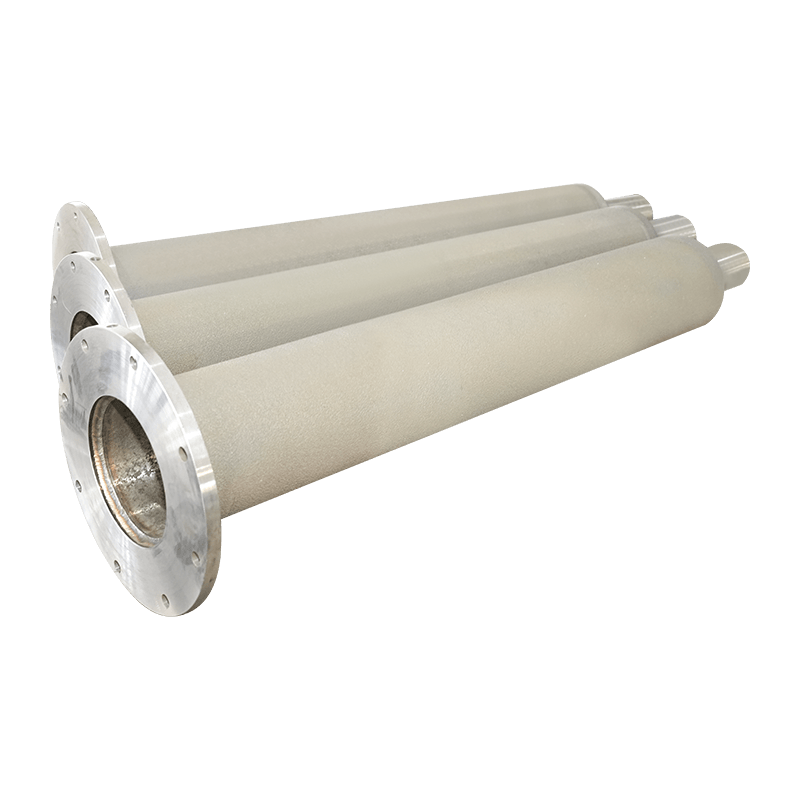
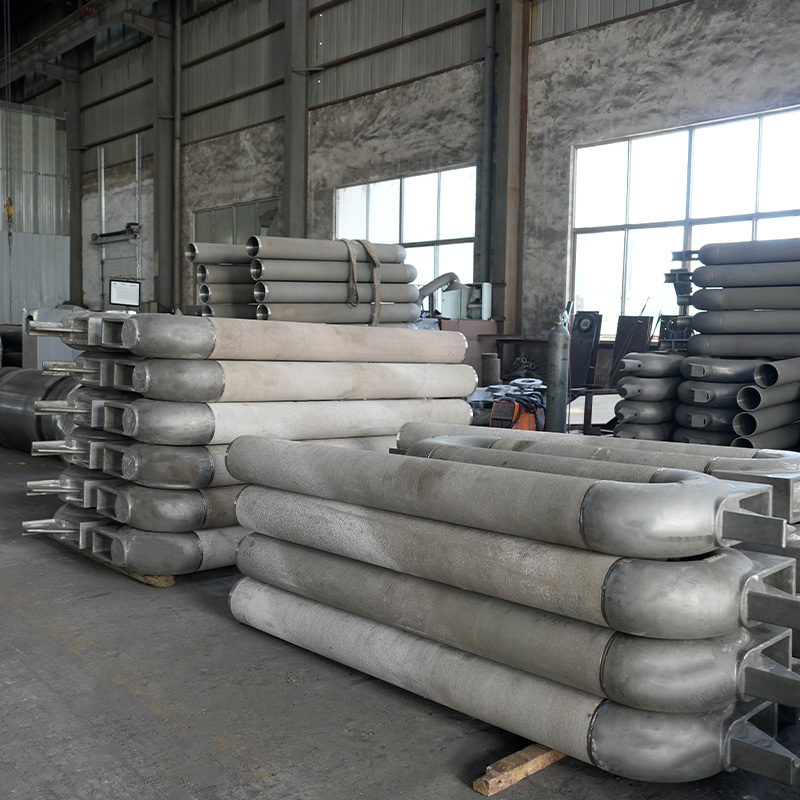 Wholesale W-Type Radiant Tube Manufacturer, Exporter CompanyJiangsu Huaye Technology Co., Ltd is China W-type radiant tube manufacturer and W-type radiant tube exporter company, We custom and whole...View Product →
Several differences separate the two application families. Industrial furnace tubes require much stricter control over wall temperature distribution — hot spots can damage the product or shorten tube life. The materials must tolerate rapid thermal transients during furnace startup and cooling, and the tube support system must account for thermal expansion without creating mechanical stress concentrations. Building heating systems, by contrast, prioritize fuel efficiency, low installed cost, and consistent floor-level comfort across large open spans. Both applications rest on the same infrared radiation physics, but the engineering decisions around materials, shape, and control strategy diverge sharply as temperature and process requirements escalate.
Even a well-designed system needs routine attention. A few frequent trouble spots that maintenance teams encounter include:
Keeping a log of flame appearance, tube surface condition, and combustion analysis readings helps predict tube replacement cycles rather than reacting to an unexpected failure during peak heating season.
Understanding how does a radiant tube heater work clarifies why this technology performs so differently from conventional warm-air systems. Combustion heats the tube wall. The hot surface radiates infrared energy directly to floors, machinery, and occupants. Those surfaces absorb, store, and gently re-radiate warmth into the occupied zone, cutting temperature stratification and energy waste. In tall buildings, the efficiency advantage is measurable and well-documented. In industrial furnaces, the same principle — executed with heat-resistant alloys, precise casting, and controlled atmosphere resilience — enables continuous strip processing and heat treatment at extreme temperatures. Whether you are evaluating a building heating solution or specifying tubes for a galvanizing line furnace, the choice of material, tube shape, and airflow configuration directly shapes performance and longevity. For a more detailed look at tube types and material options that bridge these two application worlds, read our detailed guide to radiant tubes.
We will reply to you as soon as possible.
 custom alloys for sale
wholesale different alloys
custom alloys for sale
wholesale different alloys