No. 308, Gongxin Road, Industrial Park, Dongxing Town, Jingjiang City, Jiangsu Province, China
 [email protected]/ [email protected]
 English
 Español
 русский
 中文简体
中文简体 No. 308, Gongxin Road, Industrial Park, Dongxing Town, Jingjiang City, Jiangsu Province, China[email protected]/ [email protected]
High temperature alloy pipes are metal tubes manufactured from specially formulated alloys, typically nickel, chromium, or cobalt-based compositions, engineered to maintain structural strength, resist oxidation, and withstand creep deformation under sustained exposure to extreme heat that would cause standard carbon or stainless steel pipes to fail. These pipes are specifically designed for environments where operating temperatures regularly exceed 600 degrees Celsius, conditions common in power generation, petrochemical processing, and aerospace applications where standard piping materials would rapidly degrade or lose mechanical integrity. Material performance data commonly referenced in high-temperature metallurgy shows that properly formulated nickel-based alloys can retain significant tensile strength at temperatures exceeding 1000 degrees Celsius, a performance threshold standard stainless steel piping simply cannot achieve without rapid degradation.
Content
The specific alloy composition used in manufacturing directly determines how well a pipe performs under extreme heat, making material selection one of the most critical decisions in high-temperature piping system design.
Manufacturers producing High Temperature Alloy Pipes select specific alloy formulations based on the target operating temperature range, ensuring the finished pipe maintains adequate mechanical properties throughout its intended service conditions rather than relying on a single generic alloy for all applications.
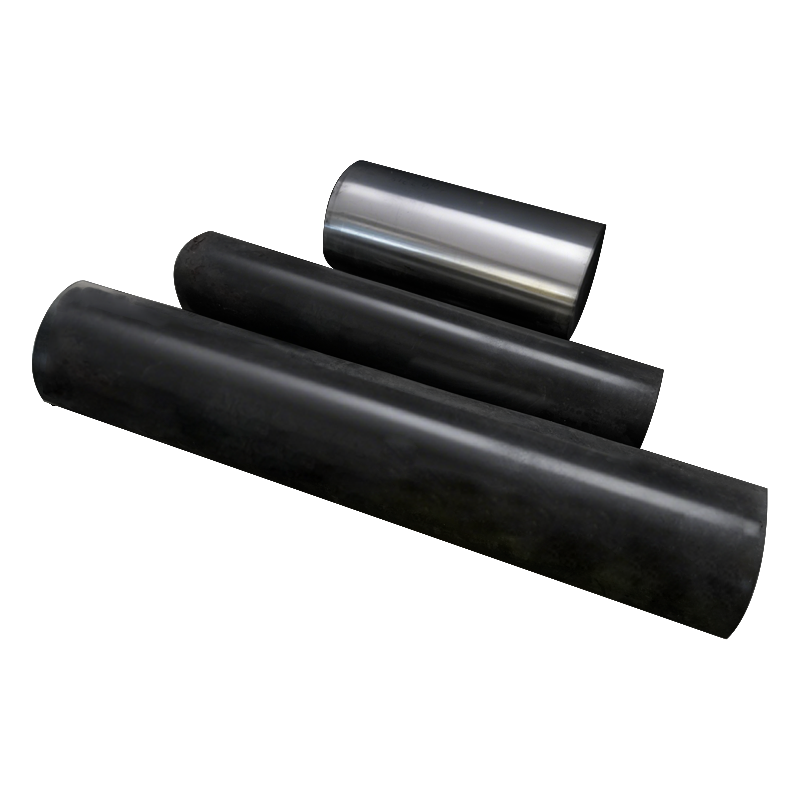
Creep, the gradual, permanent deformation of a material under sustained stress at elevated temperature, is one of the primary failure mechanisms that high temperature alloy pipes are specifically engineered to resist.
| Material Type | Creep Resistance at High Temperature |
| Standard carbon steel | Low, significant deformation risk above 400C |
| High temperature alloy | High, maintains dimensional stability well above 600C |
Without adequate creep resistance, pipes operating under sustained pressure and heat would gradually deform, potentially leading to wall thinning, leaks, or catastrophic structural failure over extended operating periods, making this property essential for long-term system reliability.
Beyond mechanical strength, high temperature alloy pipes must also resist the accelerated oxidation and corrosion that occurs when metal surfaces are exposed to sustained heat, often in combination with corrosive process gases or chemicals.
Chromium content within these alloys forms a stable protective oxide layer on the pipe surface, similar in principle to standard stainless steel but engineered to remain stable and protective even at significantly higher temperatures where standard stainless steel's oxide layer would begin to break down.
In petrochemical and industrial processing applications involving both high heat and corrosive process chemicals, alloy formulations often incorporate additional elements specifically selected to resist the particular chemical exposure conditions present in that processing environment.
These specialized pipes are used across industries where standard piping materials cannot reliably withstand the operating conditions, making alloy selection a critical engineering decision for system safety and longevity.
In each of these applications, pipe failure due to inadequate heat resistance could result in significant safety hazards or costly unplanned shutdowns, making the selection of properly rated high temperature alloy piping a critical engineering decision rather than a simple cost consideration.
Producing pipes capable of reliable performance under extreme conditions requires specialized manufacturing processes that differ significantly from standard steel pipe production methods.
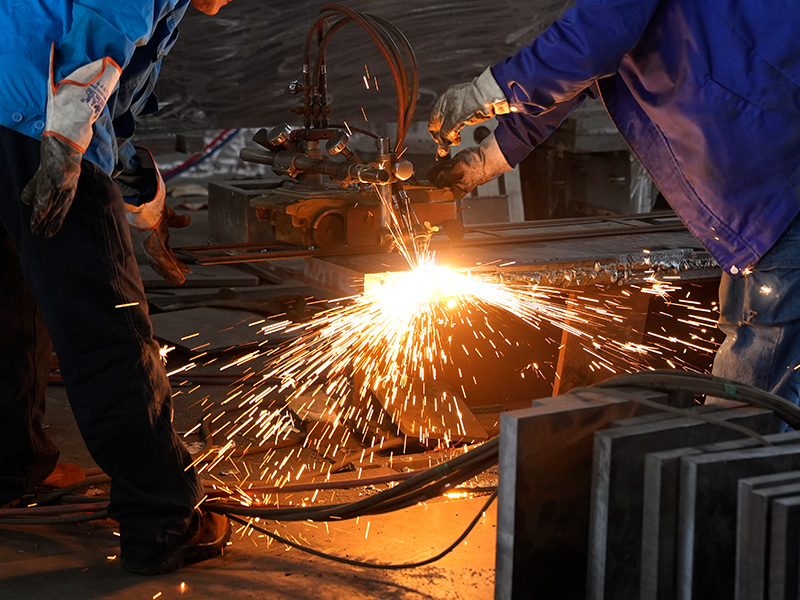
Quality manufacturers producing High Temperature Alloy Pipes typically follow strict process control throughout each production stage, since even small inconsistencies in alloy composition or heat treatment can significantly affect the pipe's performance under extreme operating conditions.
Given the critical safety implications of high temperature piping failures, rigorous testing and certification processes are typically required before these pipes are approved for use in demanding industrial applications.
Non-destructive testing methods such as ultrasonic inspection help identify internal defects that could compromise structural integrity, while mechanical property testing confirms tensile strength and creep resistance meet the required specifications for the intended operating temperature range.
Many industrial projects require full material traceability documentation, allowing facility operators to verify alloy composition and testing results for each pipe section used within a critical high-temperature piping system.
Choosing the appropriate alloy grade requires carefully matching material properties to the specific temperature range, pressure conditions, and chemical exposure the pipe will experience during actual operation.
Engineers typically evaluate maximum operating temperature, sustained pressure requirements, and any corrosive process media present when selecting between different high temperature alloy formulations, since overspecifying can add unnecessary cost while underspecifying risks premature pipe failure.
Engineers and procurement teams working on power generation, petrochemical processing, and aerospace projects involving sustained high-temperature operating conditions should prioritize properly specified high temperature alloy pipes over standard steel alternatives. Facility operators managing existing high-temperature systems should also periodically review piping condition and material certification documentation, ensuring installed components continue to meet the performance standards required for safe, long-term operation under demanding thermal conditions.
We will reply to you as soon as possible.
 custom alloys for sale
wholesale different alloys
custom alloys for sale
wholesale different alloys