No. 308, Gongxin Road, Industrial Park, Dongxing Town, Jingjiang City, Jiangsu Province, China
 [email protected]/ [email protected]
 English
 Español
 русский
 中文简体
中文简体 No. 308, Gongxin Road, Industrial Park, Dongxing Town, Jingjiang City, Jiangsu Province, China[email protected]/ [email protected]
A radiant tube heater is a gas fired infrared heating system that produces warmth by burning fuel inside an enclosed metal tube and radiating the thermal energy directly to the objects, people and floors below it. Unlike a forced air unit heater, which warms the entire air volume of a building, a radiant tube heater emits infrared waves that travel in straight lines until they reach a solid surface. The floor, machines and occupants absorb that radiation and release the warmth back into their surroundings. For plant engineers and facility managers, the practical result is faster comfort response, lower fuel consumption and more consistent floor level temperatures in large industrial buildings.
Content
The complete operating sequence of a radiant tube heater can be reduced to four clearly defined stages.
That final stage is the defining feature of radiant heating. A convection heater depends on warm air rising toward the roof, stratifying in layers and leaving cold zones near the loading dock or the workbench. Radiant tubes bypass that problem by delivering energy directly to the occupied zone. The air is warmed only after the floor and equipment re emit their stored heat. This allows the thermostat to be set several degrees lower for the same perceived comfort, which is why many installations report fuel savings of 25 to 40 percent compared with forced air systems.
The savings shown above are typical ranges reported in industrial installations rather than guaranteed values. The actual outcome depends on ceiling height, draft conditions, insulation level and how frequently loading doors are opened. Buildings with high ceilings and large air volumes respond best to radiant heating because there is no need to heat air that will simply accumulate near the roof. Facilities with frequent door openings benefit as well, because radiant energy re-establishes floor level warmth quickly after cold air rushes in. A forced air system would spend much longer reheating the entire interior air volume after every door cycle. These operating characteristics make the radiant approach particularly attractive in logistics and production environments where air leakage and building height work against conventional heating. For facilities that also need process heat or furnace components, the same heat resistant alloy technology found in radiant tubes is used across related equipment, which is why many buyers start with a detailed guide to radiant tube fundamentals before writing their specification.
A typical radiant tube heating system is built from a small number of robust components. Understanding each one helps with specifying the right unit and diagnosing problems later.
The burner is the heart of the system. It draws in primary air, mixes it with natural gas or propane at a controlled ratio, and ignites the mixture inside the burner tube. The control system includes a gas valve, ignition module, flame sensor and a thermostat or building management interface. Burners can operate in single stage, two stage or modulating mode. Two stage and modulating burners improve efficiency by reducing fuel input when the space does not need full output.
The radiant tube itself is manufactured from heat resistant steel or high alloy stainless steel in straight, U shaped or W shaped geometry. Combustion gases travel through the tube and raise its surface temperature to the point where infrared emission begins. A polished aluminum reflector is positioned above the tube to redirect upward radiation toward the floor below, concentrating heat where people actually work. The reflector also protects the roof structure from excessive radiant heat exposure.
After combustion gases pass through the radiant tube, they still contain usable heat and must be safely vented. In a vacuum or negative pressure design, an induced draft fan pulls the combustion products through the tube and flue system. In a positive pressure design, the burner pressure pushes the gases through the tube. Pull through systems are more common because they eliminate any chance of combustion gas leaking into the occupied space through a damaged joint.
The metallurgy of the radiant tube is a major factor in system life. Tubes that operate above 900°F experience gradual oxidation and thermal fatigue, so cast heat resistant alloys and centrifugally cast high alloy steels are preferred for longer service. Radiant tubes are also used in industrial furnaces and heat treatment lines, where they separate the combustion atmosphere from the process atmosphere and provide even heat distribution. Manufacturers of heat treating fixtures and furnace components apply the same material knowledge when producing radiant tubes, and many of those radiant tube product options are available in matched alloy grades for continuous duty.
The shape of the radiant tube determines how much heat releasing surface area fits into a given ceiling space. Three standard configurations dominate the market, and each one has a different balance of cost, output and coverage.
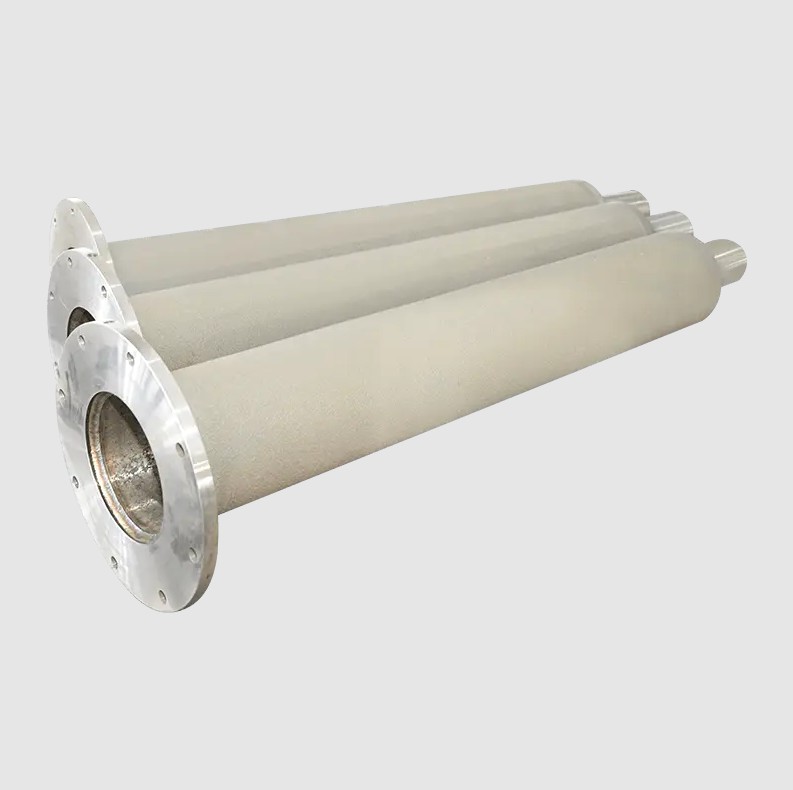
An I-shaped radiant tube is the simplest layout, essentially a straight pipe that is mounted horizontally at a slight angle. It suits smaller workshops and narrower bays where a compact heating zone is sufficient. The straight layout keeps the pressure drop low and the tube length short, so the burner fan does less work. Because the heat output is lower, an I-shaped unit is also the most economical option for a single heating zone.
 Wholesale I-Shaped Radiant Tube Manufacturer, Exporter CompanyJiangsu Huaye Technology Co., Ltd is China I-shaped radiant tube manufacturer and I-shaped radiant tube exporter company, We custom and w...View Product →
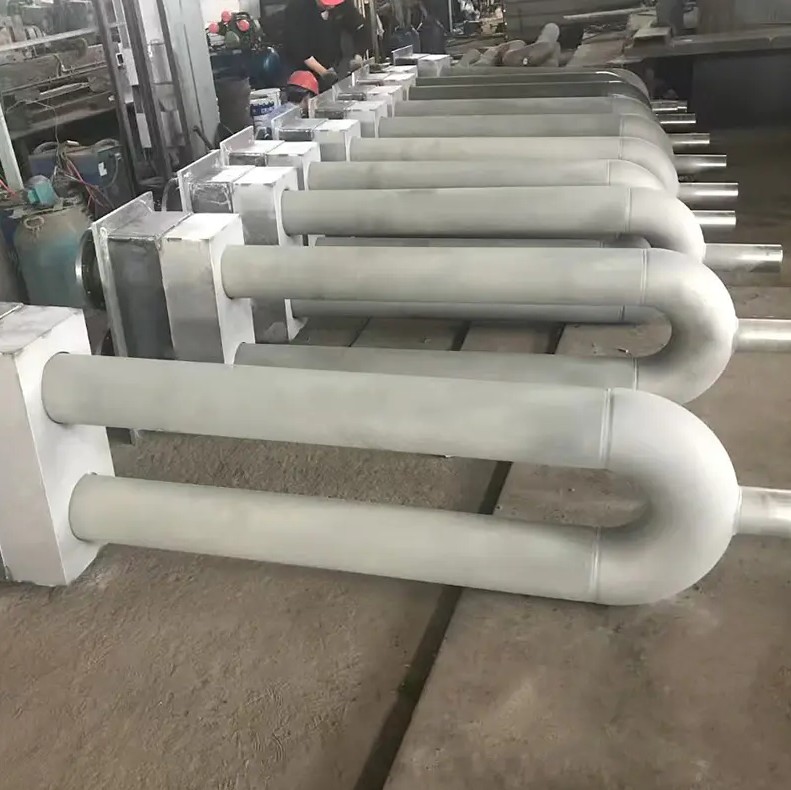
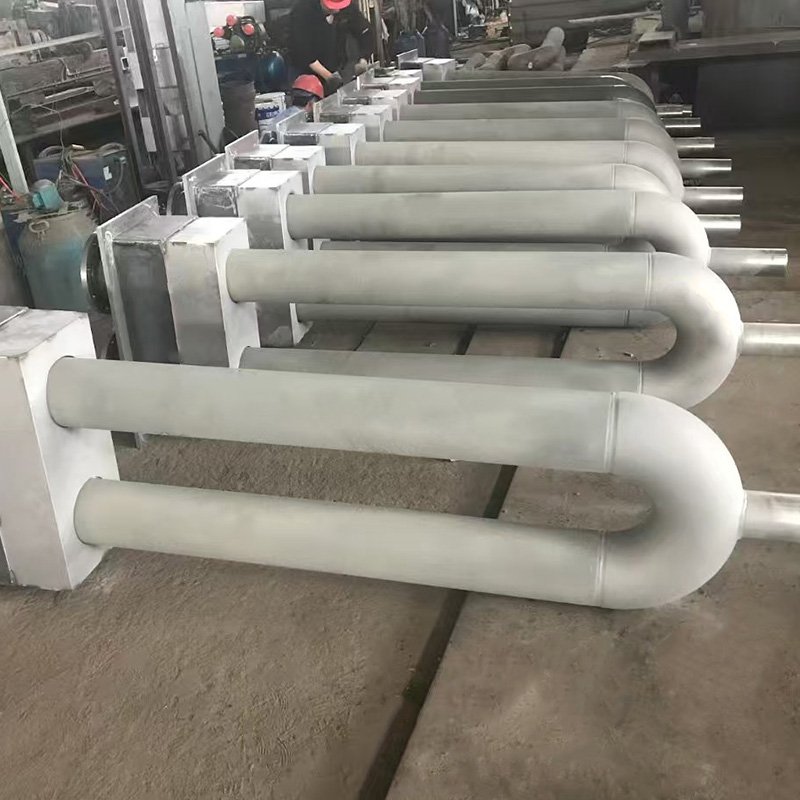
A U-shaped radiant tube doubles the heat releasing surface within roughly the same horizontal footprint. The return bend at one end sends combustion gases back through a second leg, which means the ceiling length covered by the heater is about the same as its physical tube length. This configuration is widely used in medium sized warehouses, repair shops and production cells. The extra surface area raises both the total output and the radiant efficiency compared with a straight tube of similar overall length.
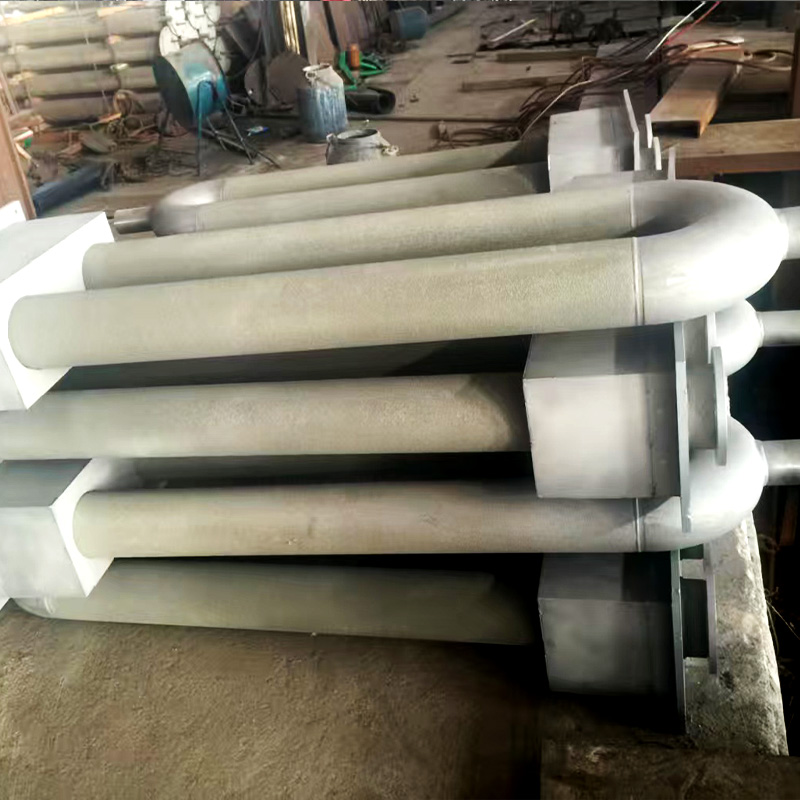 Wholesale U-Shaped Radiant Tube Manufacturer, Exporter CompanyJiangsu Huaye Technology Co., Ltd is China U-shaped radiant tube manufacturer and U-shaped radiant tube exporter company, We custom and w...View Product →
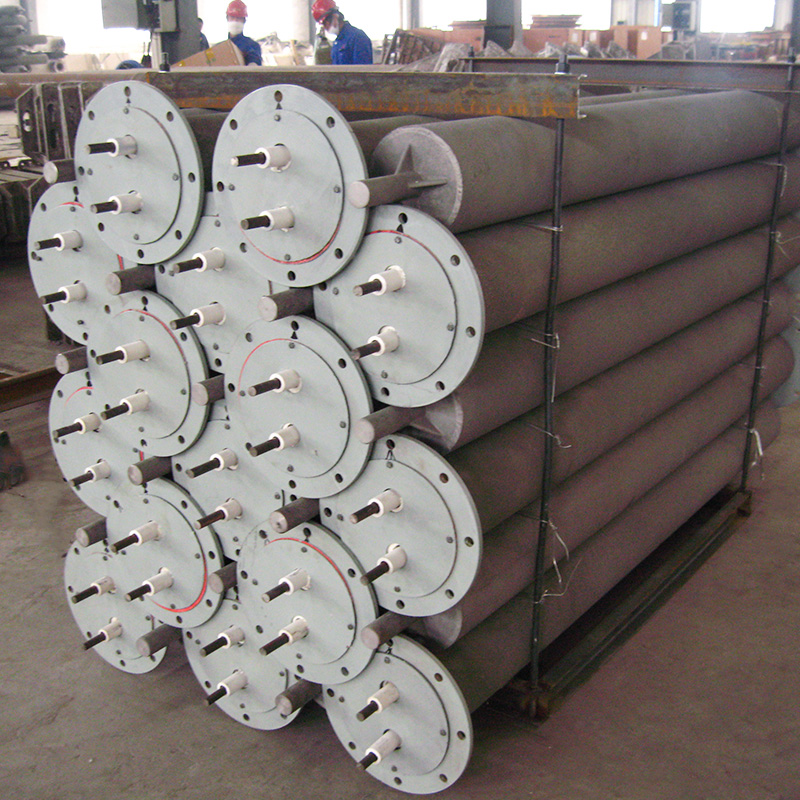
A W-shaped radiant tube is the highest output option. It provides four parallel passes of tube surface for a burner that is positioned at one end. This design is selected for large open floor areas such as aircraft hangars, distribution centers and big fabrication halls. Although it delivers the most heat, the W configuration also needs greater clearances and more careful support spacing to handle thermal expansion.
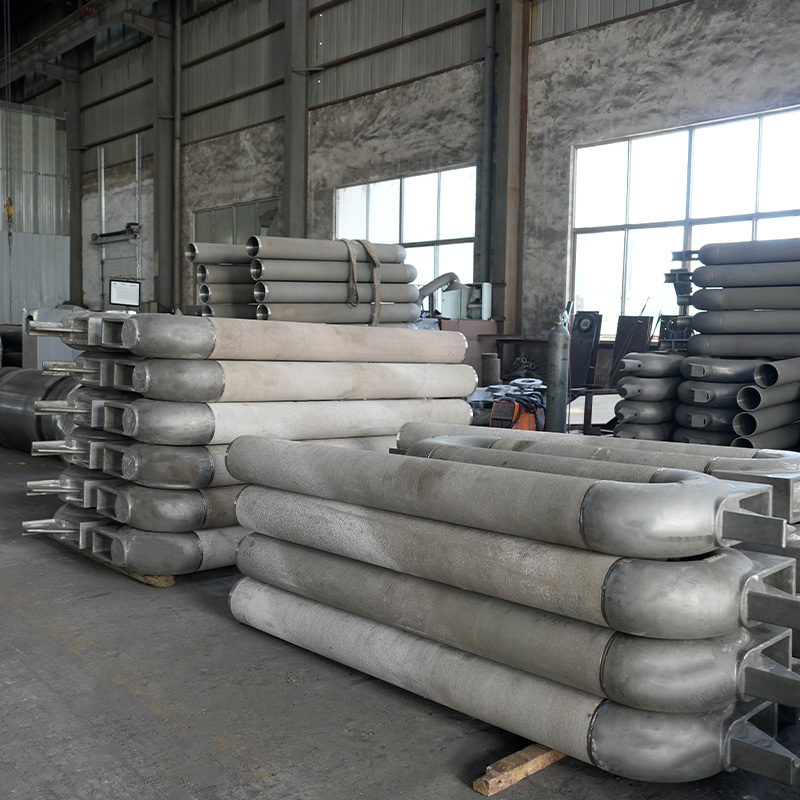 Wholesale W-Type Radiant Tube Manufacturer, Exporter CompanyJiangsu Huaye Technology Co., Ltd is China W-type radiant tube manufacturer and W-type radiant tube exporter company, We custom and whole...View Product →
| Configuration | Number of passes | Typical length | Output range | Ideal floor area |
|---|---|---|---|---|
| I-shaped | 1 | 10 to 20 ft | 60,000 to 120,000 BTU/hr | 4,000 to 10,000 sq ft |
| U-shaped | 2 | 15 to 30 ft | 100,000 to 180,000 BTU/hr | 8,000 to 20,000 sq ft |
| W-shaped | 4 | 25 to 40 ft | 150,000 to 250,000 BTU/hr | 15,000 to 40,000 sq ft |
The output values above are indicative of typical gas fired radiant tube heaters rather than absolute limits. Actual ratings depend on burner capacity, tube diameter and the alloy thickness of the tube wall. Longer tubes increase total surface area but also increase combustion gas pressure drop, so the burner must be matched to the tube geometry. Choosing a configuration that is too large for the space leads to short cycling and poor comfort, while an undersized unit will run continuously and consume more fuel than necessary. A properly matched system delivers steady radiation without the drafts or noise associated with high velocity air heating.
The way heat is distributed across a floor plane is one of the strongest arguments for radiant tube heaters. Because infrared energy travels until it contacts a surface, the floor itself becomes a low temperature radiator that releases warmth back upward. This produces a temperature profile very different from that of a warm air system.
The surface temperature along a radiant tube is not uniform. Near the burner end, the metal rises quickly to peak temperature because the flame and combustion gases are hottest at that point. Moving toward the exhaust end, the gases give up heat to the tube wall, so the surface temperature gradually declines. A well designed tube maintains a temperature difference of no more than 20 to 25 percent between the burner end and the flue end. Even so, the average temperature across the whole tube determines how much infrared energy is delivered to the space.
The smooth rise and fall of the temperature curve matters for both comfort and equipment life. If the tube peaks too sharply and then drops quickly, the floor directly beneath the burner end receives much more radiation than the rest of the bay, creating hot spots and cold zones. A more even profile means the reflector can distribute radiation more uniformly across the occupied floor area. Material selection also influences the curve, because high alloy tubes with good thermal conductivity spread heat along their length more evenly than tubes made of low grade steel. That is one reason why industrial buyers specify certified high temperature alloy tubes for long life and consistent output.
Facility managers often compare radiant tube heaters with conventional unit heaters when planning a heating upgrade. Both systems have valid uses, but the physics of heat delivery makes them suitable for very different conditions. The quickest way to frame the decision is to look at the temperature distribution that each system creates in a tall building.
The radar comparison above scores both heating approaches on five practical criteria. Radiant tube heaters score higher on efficiency and comfort because they deliver heat straight to the floor level instead of pushing it toward the roof. Temperature uniformity is also better, since the floor acts as a secondary radiator that evens out the heat across the space. Unit heaters are slightly ahead only on quietness and small space maintenance access, because a ducted or propeller fan unit has fewer long term concerns with tube material fatigue.
The real issue with a unit heater in a tall facility is stratification. Warm air rises and collects in the truss area, where it has no useful value, while the floor stays cold and drafty. That is why the practical performance gap widens as ceiling height increases. A radiant tube system does not need to push warm air downward; it simply emits radiation that lands on the floor and occupants. For buildings with ceilings above 15 feet, which includes most warehouses and industrial plants, the energy lost to stratification in a unit heater system can be substantial.
Choosing the right radiant tube heater starts with a heat load calculation, not a rule of thumb. The calculation must account for the building envelope, insulation, air changes, door opening frequency and internal heat sources from machinery or process equipment. The result determines the required BTU/hr output and the number of heating zones. Ceiling height and mounting clearance then dictate the tube configuration, because the reflector and tube surface must be kept at a safe distance from combustible materials.
Installation quality has a direct effect on radiant efficiency. The tube must slope slightly upward toward the exhaust end so that condensate and combustion gases flow in the correct direction. Support hangers must allow the tube to expand and contract as it heats and cools. The reflector should be maintained at the correct angle and kept clean so that radiation is directed toward the target zone rather than scattered. A poorly aligned reflector can reduce the heat reaching the floor by a noticeable margin.
Maintenance is straightforward but essential. The burner should be inspected each heating season for carbon buildup and proper flame characteristics. The tube surface should be checked for warping, localized discoloration or cracks, especially near the burner end where thermal stress is highest. The exhaust fan and drain trap also need attention, because a blocked condensate line can shut down the entire heater. Most manufacturers publish a clear maintenance schedule, and following it protects the warranty and extends the service life of the heat resistant alloy tube.
When the project involves replacing an existing heating system or expanding into a new building, it is worth involving the equipment supplier early in the design phase. A supplier that also manufactures the radiant tubes can provide practical guidance on material grades, tube wall thickness and burner matching. To discuss a specific building profile with metallurgical engineers, contact our engineering team with the floor plan and operating conditions.
Radiant tube heaters work by burning gas inside a sealed metal tube, heating that tube to the point of infrared emission, and sending the radiation directly to the floor, equipment and people. The principle is straightforward, but engineering decisions around tube configuration, alloy grade and burner control determine how efficiently the energy is used in practice.
For large spaces with high ceilings, radiant tube heaters deliver measurable advantages in comfort and fuel economy. The building structure itself becomes part of the heating system, absorbing radiation and releasing it slowly instead of losing warm air to the roof void. Matching the tube configuration to the heat load, installing the system with correct alignment and maintaining the burner and tube surface will keep the system running efficiently for many heating seasons.
We will reply to you as soon as possible.
 custom alloys for sale
wholesale different alloys
custom alloys for sale
wholesale different alloys