No. 308, Gongxin Road, Industrial Park, Dongxing Town, Jingjiang City, Jiangsu Province, China
 jshuayekeji@163.com/ alex@cnboaoxcl.com
 English
 Español
 русский
 中文简体
中文简体
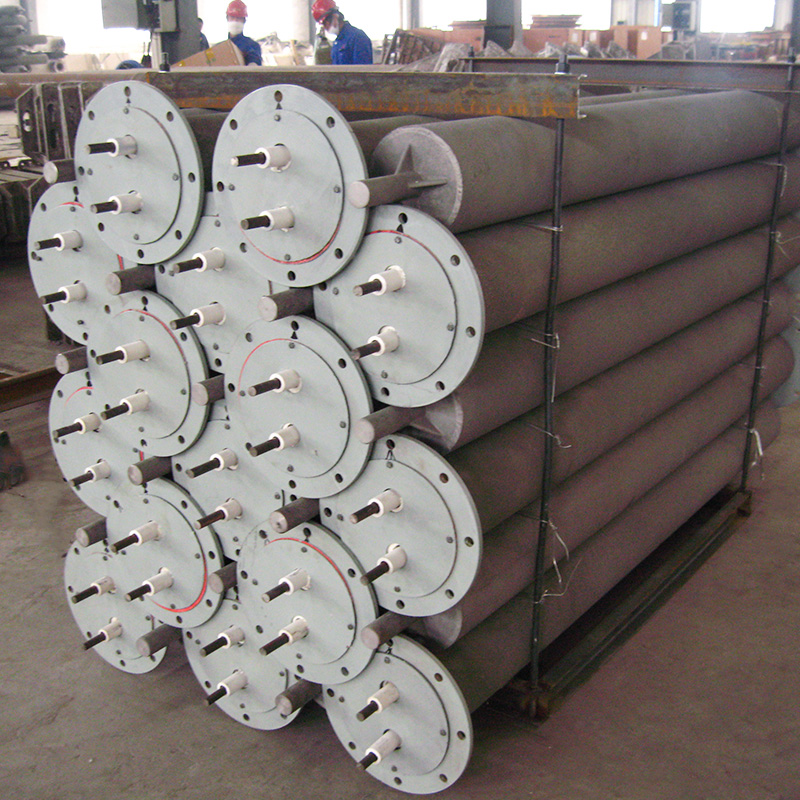
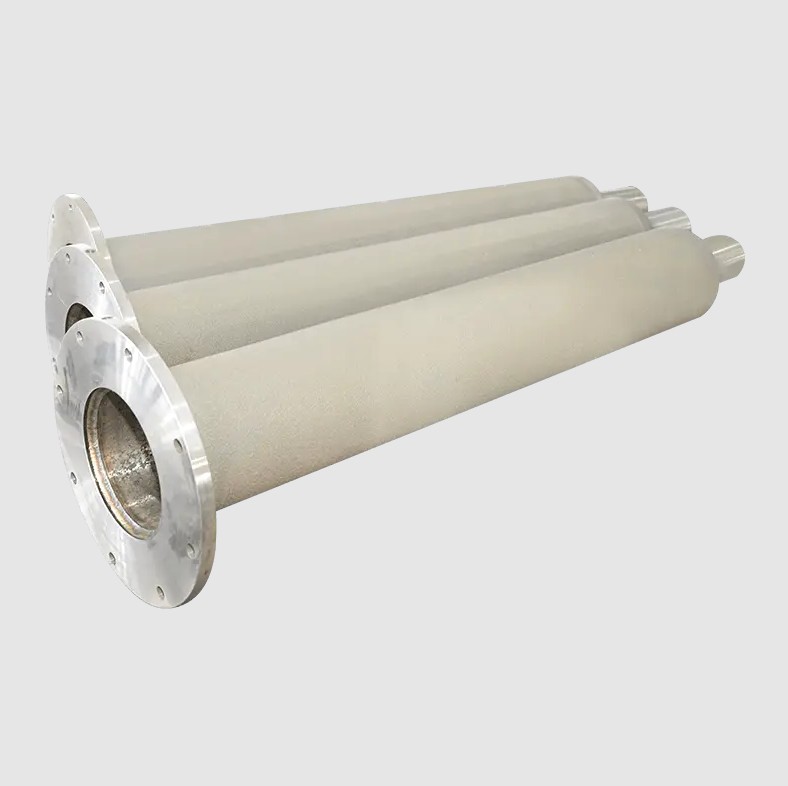
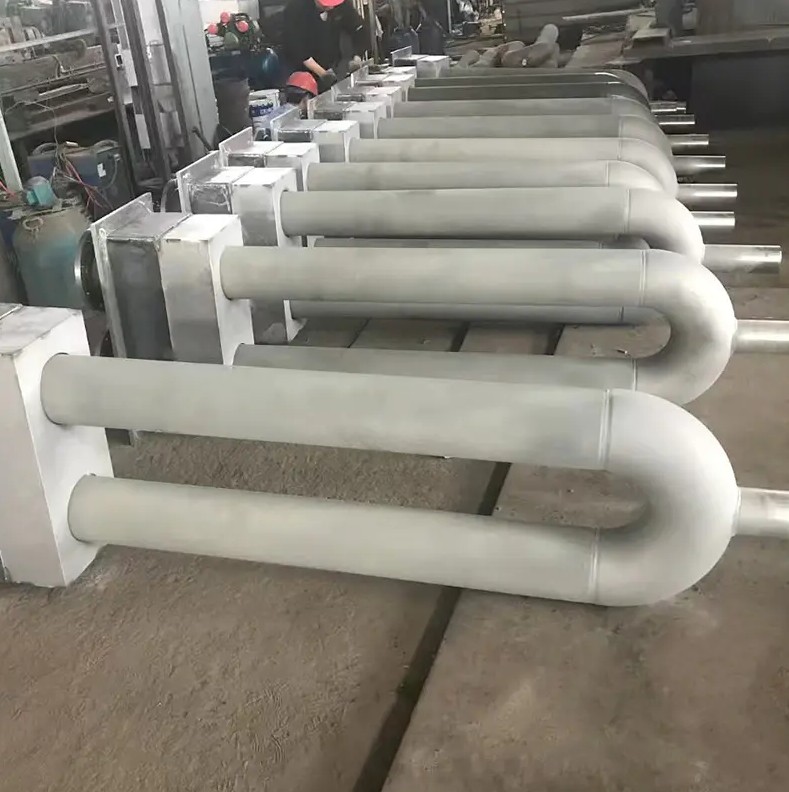
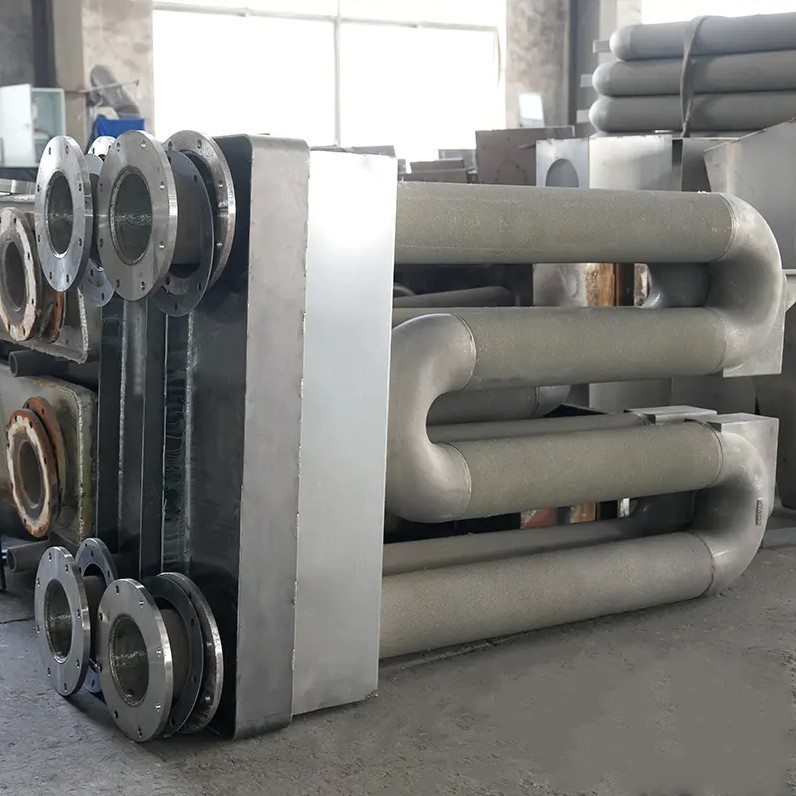
Radiant tubes are safe when manufactured from appropriate heat resistant alloys, installed according to combustion equipment codes, and maintained through regular inspection, since the sealed combustion design keeps flame and combustion byproducts fully contained within the tube while radiating heat outward through the tube wall rather than releasing combustion gases into the heated space. This closed combustion approach is a core safety advantage, and equipment such as Radiant Tube systems built from proper high temperature alloys are engineered specifically to maintain this containment reliably across repeated heating cycles at elevated operating temperatures.
The sections below explain how the sealed combustion design contributes to safety, what material and structural factors matter most, and the ongoing maintenance practices that keep radiant tube systems operating safely over their service life.
Content
Understanding radiant tube safety starts with how the system fundamentally separates combustion from the surrounding air.
Inside a radiant tube heating system, fuel is burned within the sealed tube itself, with combustion gases exhausted through a dedicated flue rather than mixing with the air in the heated space. This separation means occupants in the heated area are not directly exposed to combustion byproducts such as carbon monoxide, provided the tube maintains its structural integrity and seal.
Heat is transferred to the surrounding environment through radiant energy passing through the tube wall itself, rather than through direct flame or hot air contact with the space being heated. This design reduces certain fire risks associated with open flame heating methods, since the flame remains fully enclosed within the tube structure throughout operation.
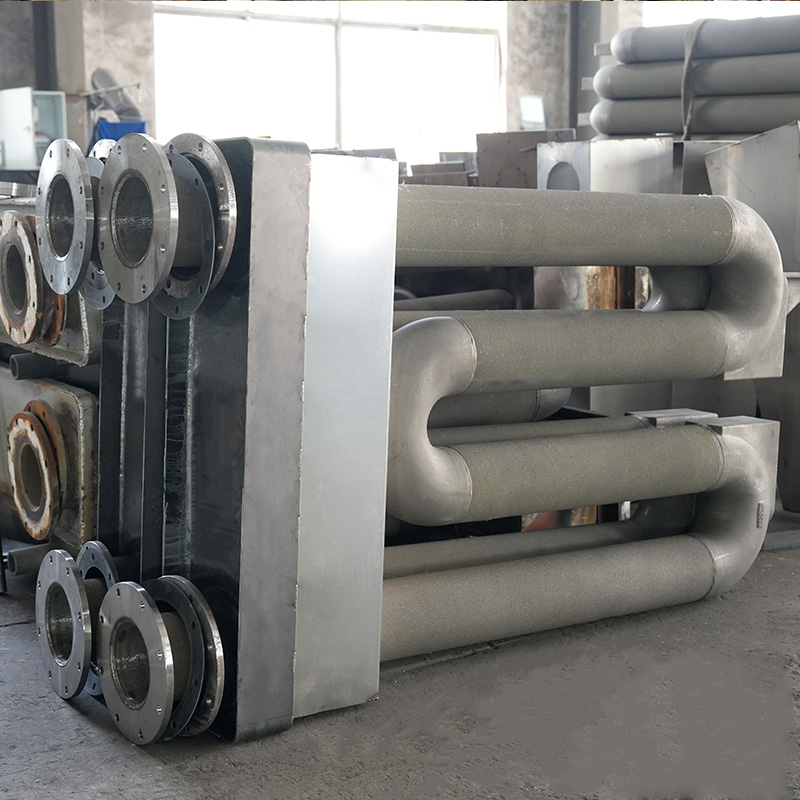
Because radiant tubes operate at sustained high temperatures, the material used in their construction directly affects long term safety performance.
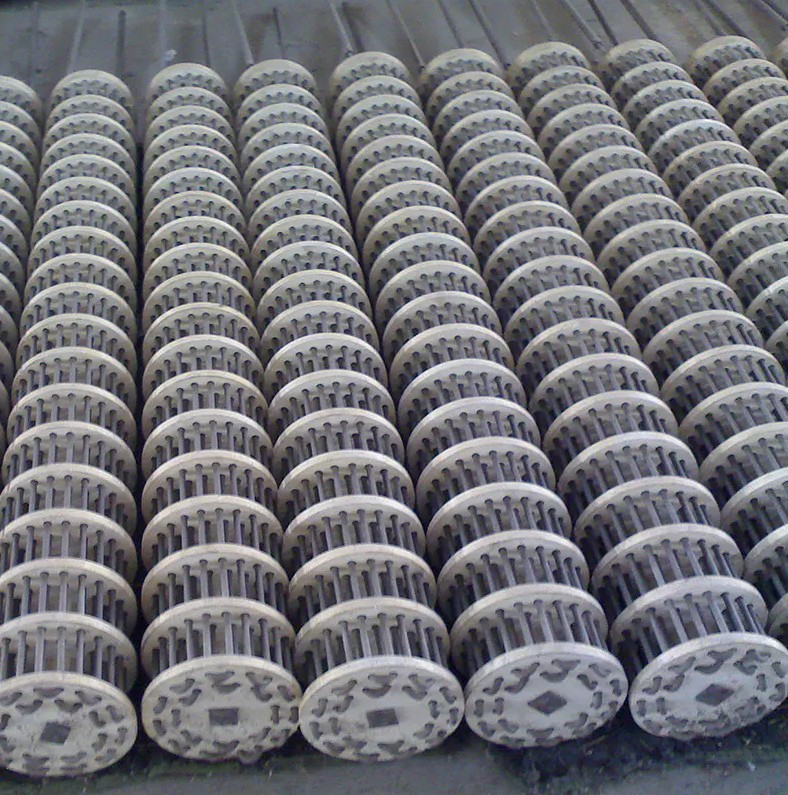
Radiant tubes are typically manufactured from heat resistant stainless steel or nickel chromium alloys capable of withstanding continuous operating temperatures often in the range of 800 to 1100 degrees Celsius depending on the specific system design, without significant oxidation or structural degradation over time.
Repeated heating and cooling cycles create thermal expansion and contraction stress on the tube material. Alloys selected for radiant tube manufacturing are chosen specifically for their resistance to thermal fatigue cracking, since a compromised tube wall could potentially allow combustion gas leakage, making material quality a direct safety factor rather than simply a durability consideration.
Beyond material selection, modern radiant tube heating systems typically incorporate several automated safety features designed to prevent unsafe operating conditions.
| Safety Feature | Function |
| Flame monitoring sensors | Detects flame failure and shuts off fuel supply automatically |
| High limit temperature switches | Shuts down the system if tube temperature exceeds safe limits |
| Combustion air proving switches | Confirms adequate air supply before allowing ignition |
| Flue gas monitoring | Verifies proper exhaust flow to prevent gas buildup |
These control systems are standard features referenced in general industrial combustion equipment safety guidance, and they work together to automatically interrupt system operation before a minor malfunction can develop into a more significant safety concern.
Even a well designed radiant tube system depends on correct installation practices to perform safely once in operation.
Following manufacturer installation specifications closely, rather than making field modifications without engineering review, remains one of the most important factors in ensuring a radiant tube system operates as safely as its design intends.
Regular inspection and maintenance play a direct role in maintaining the safety performance of radiant tube systems throughout their operating life.
Industrial heating equipment maintenance guidance commonly recommends scheduling these inspections at defined intervals rather than waiting for a visible problem to appear, since early detection of tube wall thinning or control malfunction significantly reduces the risk of an unsafe operating condition developing.
Since material quality and construction precision directly influence how safely a radiant tube performs over years of continuous high temperature cycling, selecting equipment from manufacturers with rigorous quality control processes matters significantly. Reviewing alloy specifications, wall thickness, and thermal fatigue testing data for systems such as Radiant Tube equipment can help buyers confirm they are selecting a product engineered to maintain safe, reliable containment throughout its expected service life.
Radiant tubes are generally safe when built from appropriate heat resistant materials, equipped with automated combustion safety controls, correctly installed according to code, and maintained through regular inspection. The sealed combustion design that keeps flame and exhaust gases contained within the tube itself is the foundation of this safety, but it depends on ongoing attention to material integrity, proper installation, and consistent maintenance to remain reliable throughout the system's operating life.
We will reply to you as soon as possible.
 custom alloys for sale
wholesale different alloys
custom alloys for sale
wholesale different alloys