 No. 308, Gongxin Road, Industrial Park, Dongxing Town, Jingjiang City, Jiangsu Province, China
 [email protected]/ [email protected]
 English
 Español
 русский
 中文简体
中文简体 No. 308, Gongxin Road, Industrial Park, Dongxing Town, Jingjiang City, Jiangsu Province, China[email protected]/ [email protected]
Product Performance
1. Excellent Comprehensive Performance
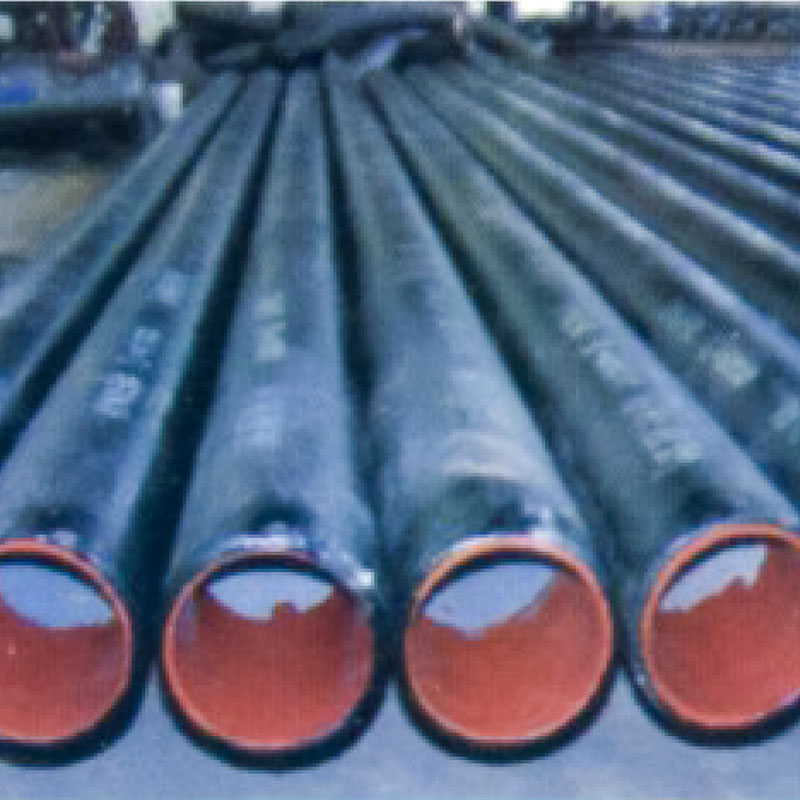
The new rare earth wear-resistant alloy pipes are manufactured using the EPC (Expandable Pattern Casting) vacuum suction casting process. This advanced process effectively eliminates common casting defects such as porosity, slag inclusion, structural looseness, and excessive deformation. The material composition is based on FeCr, FeMn, FeMo, Ni, Re, and FeSi, with the addition of ferrovanadium (FeV), ferroniobium (FeNb), and copper (Cu). These additions endow the material with not only the wear resistance of high-alloy castings but also high mechanical strength and impact resistance, while improving weldability. This makes the material safer and more reliable for use in conveying pipelines for coal grinding systems, pulverizing systems, slag and ash removal systems in power plants, as well as slag conveying pipelines in metallurgical systems.
2. High Wear Resistance
The rare earth wear-resistant alloy already possesses strong wear resistance. With the addition of FeV, FeNb, and Cu, the metallographic structure is further refined, resulting in denser grain structure, higher strength, and enhanced plasticity. The metal matrix is further passivated, thereby improving the original material's wear resistance.
3. Strong High-Temperature and Corrosion Resistance
The Ni and Cr content directly determines the material's temperature resistance, while the Cr and Cu content determines its corrosion resistance. The optimized combination of these elements significantly enhances the comprehensive performance of this new rare earth wear-resistant alloy, enabling it to adapt to various harsh operating conditions.
4. Advanced Process and Stable Performance
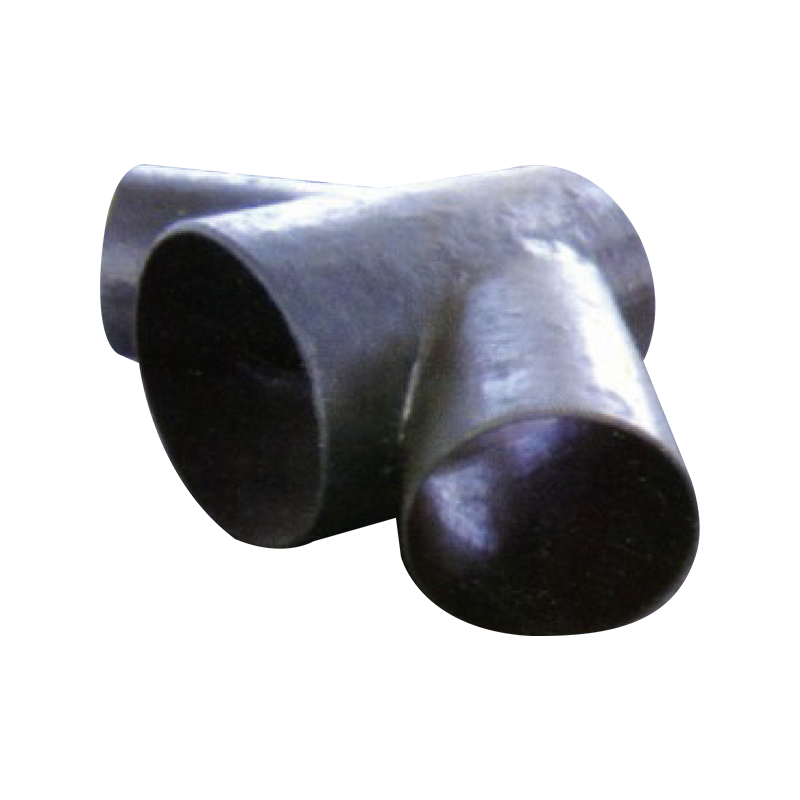
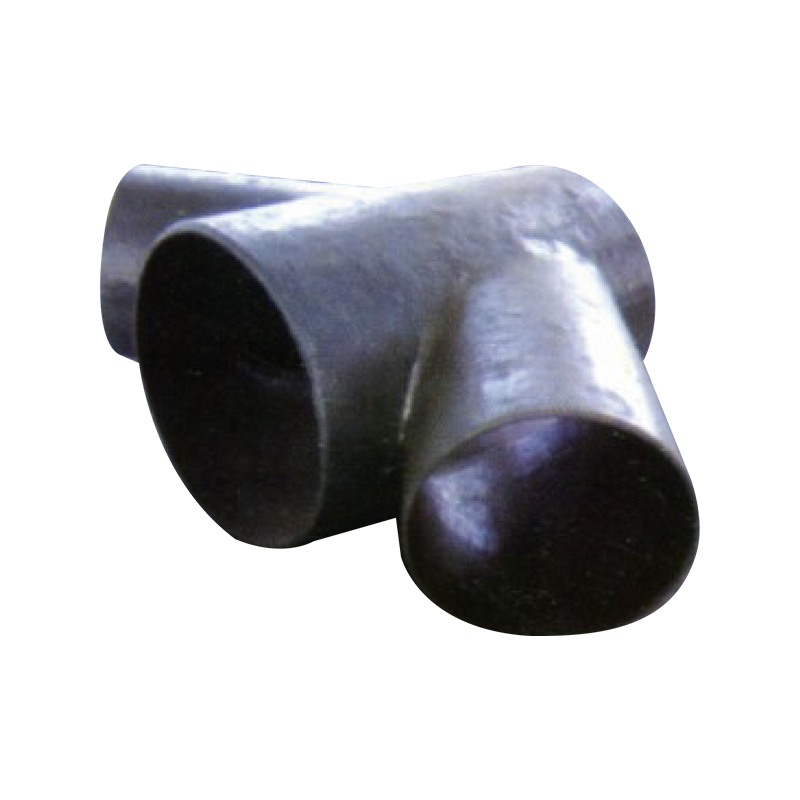
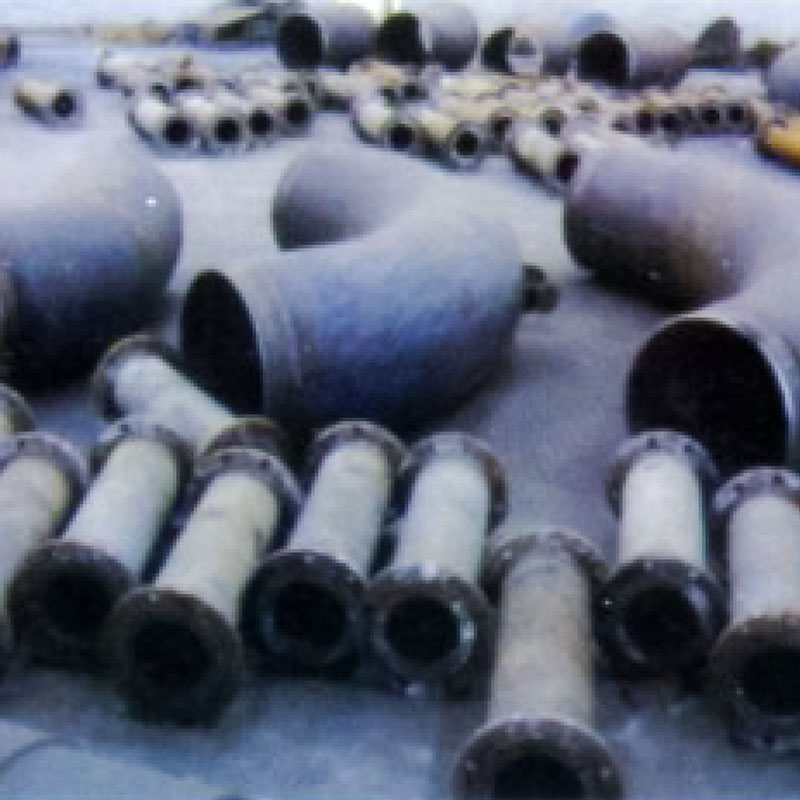
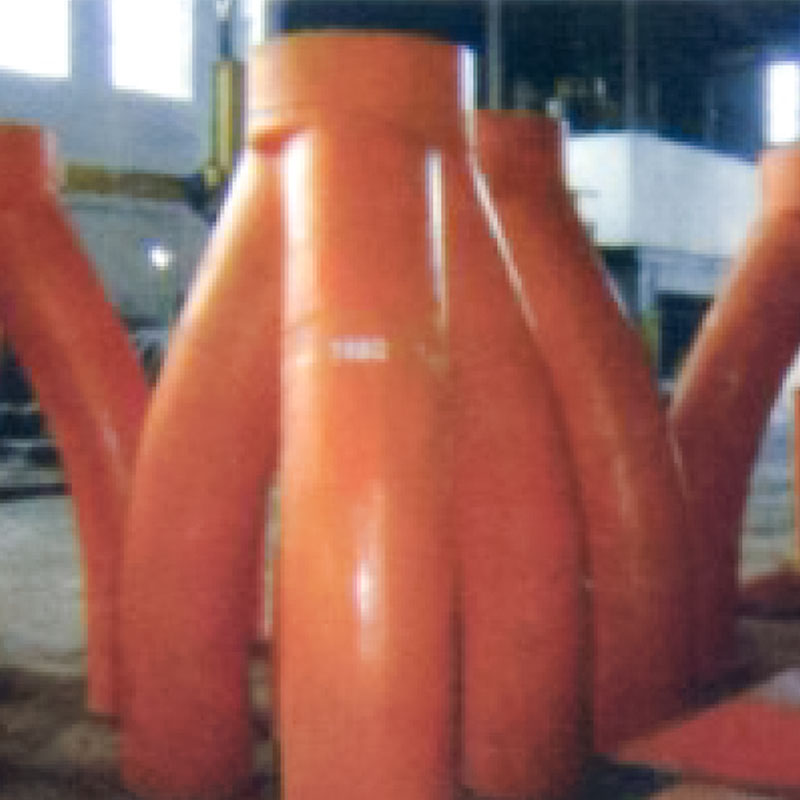
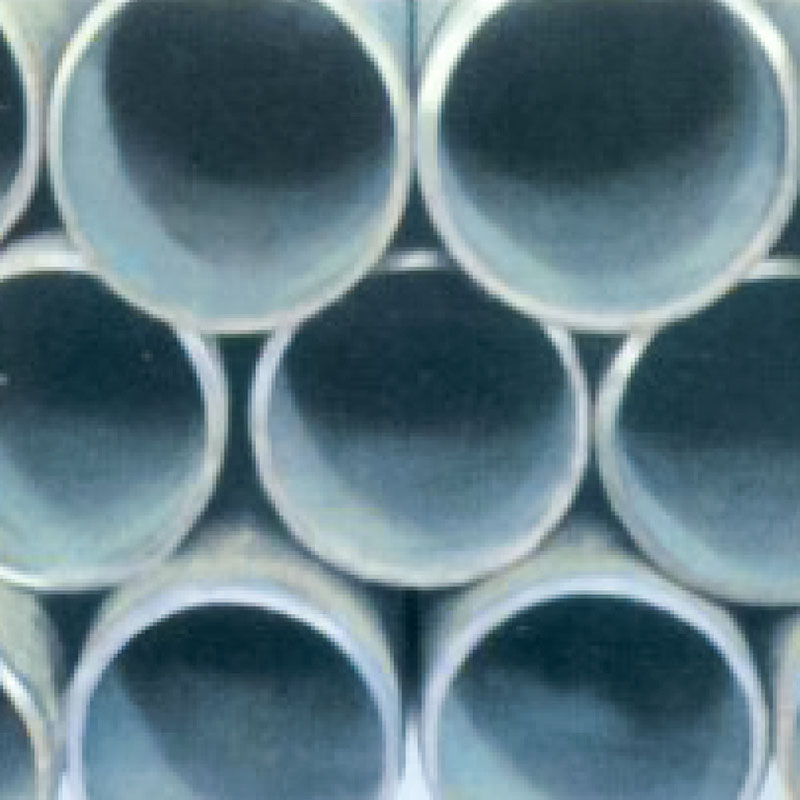
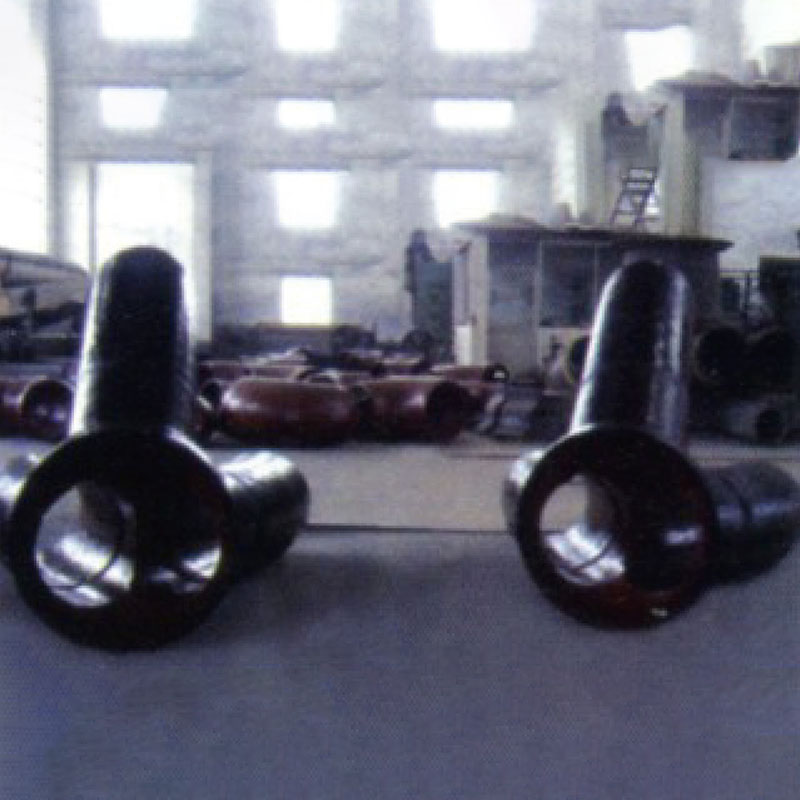
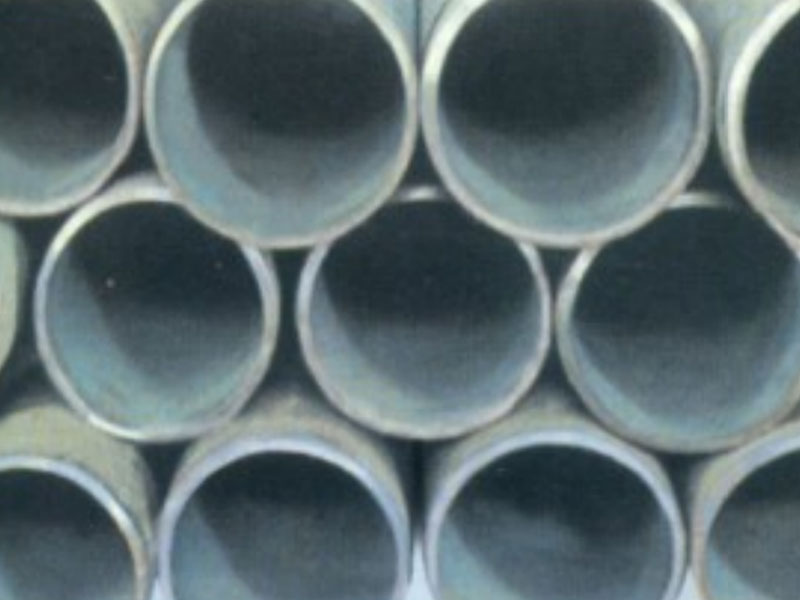
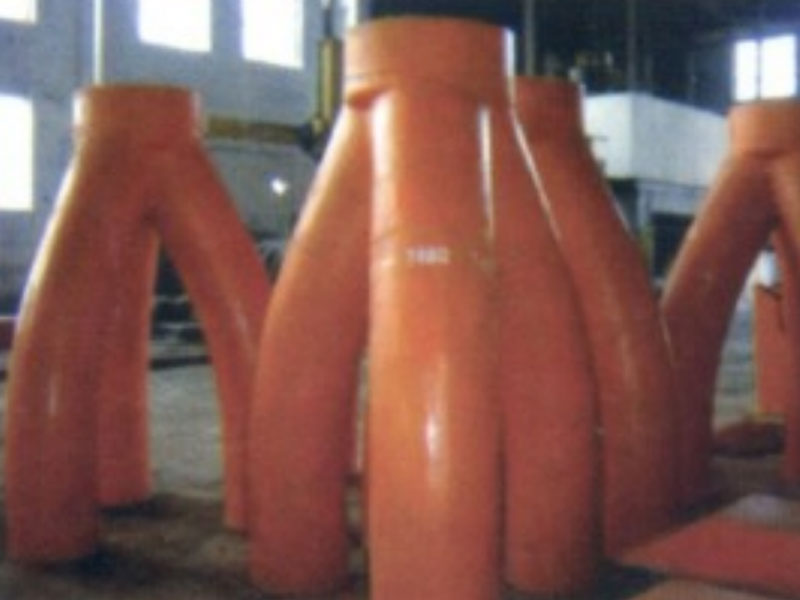
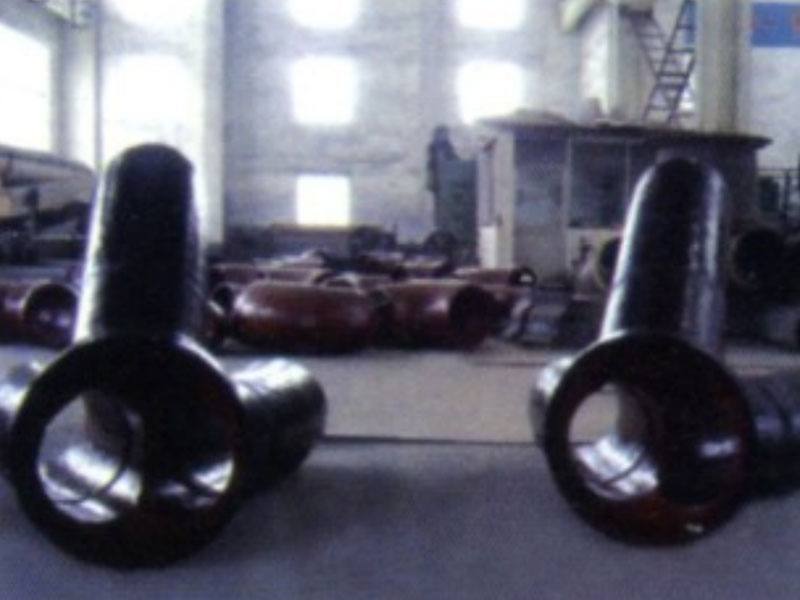
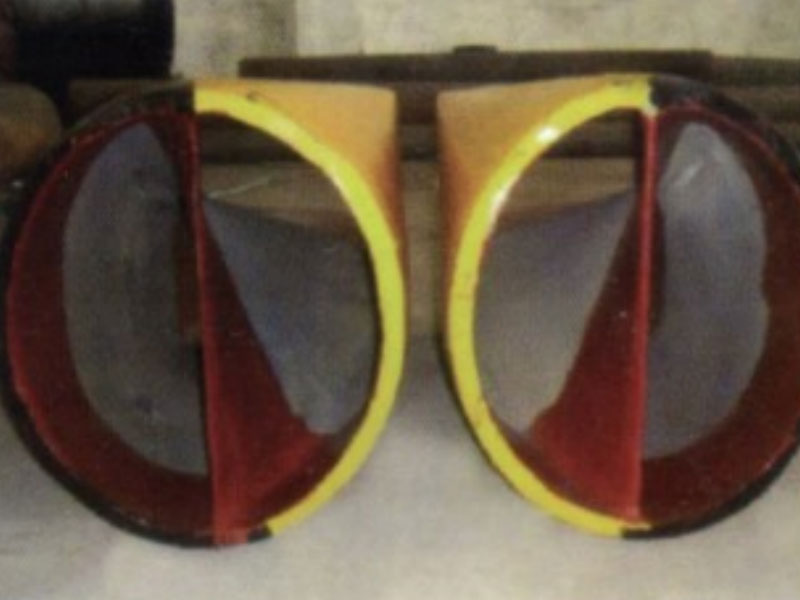
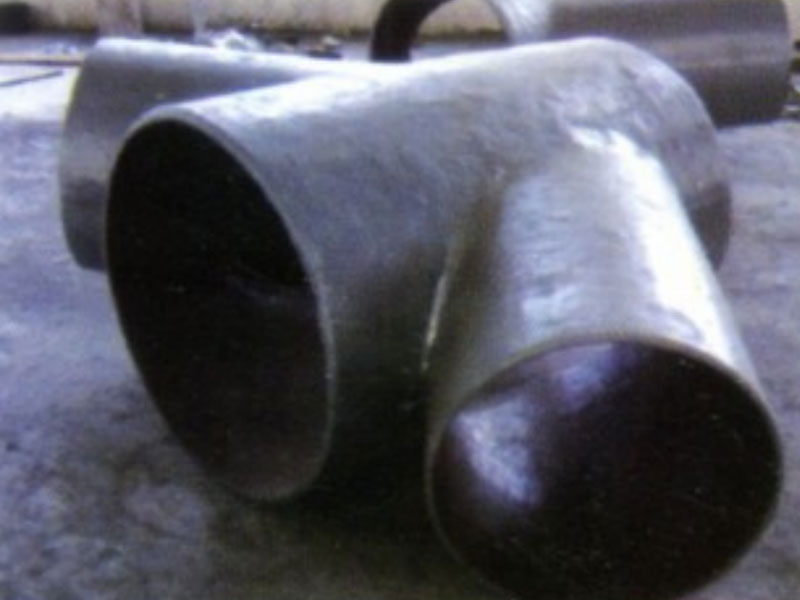
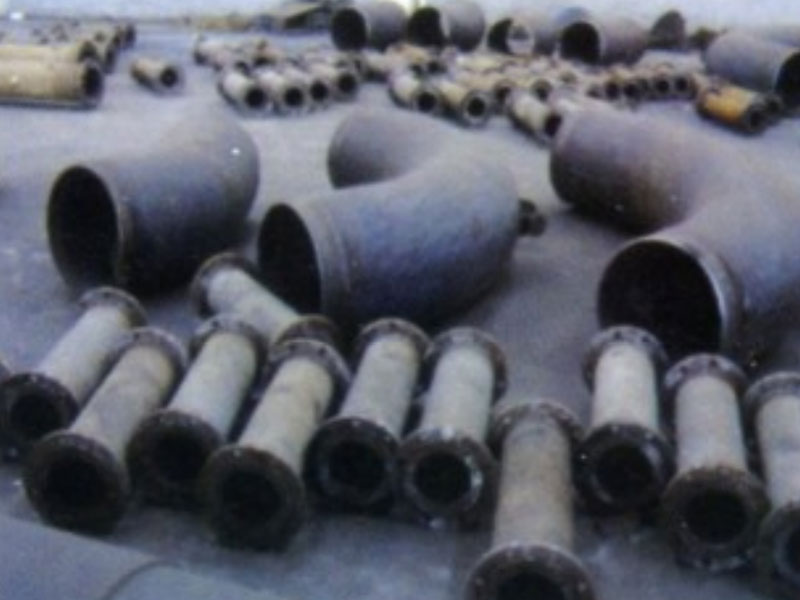
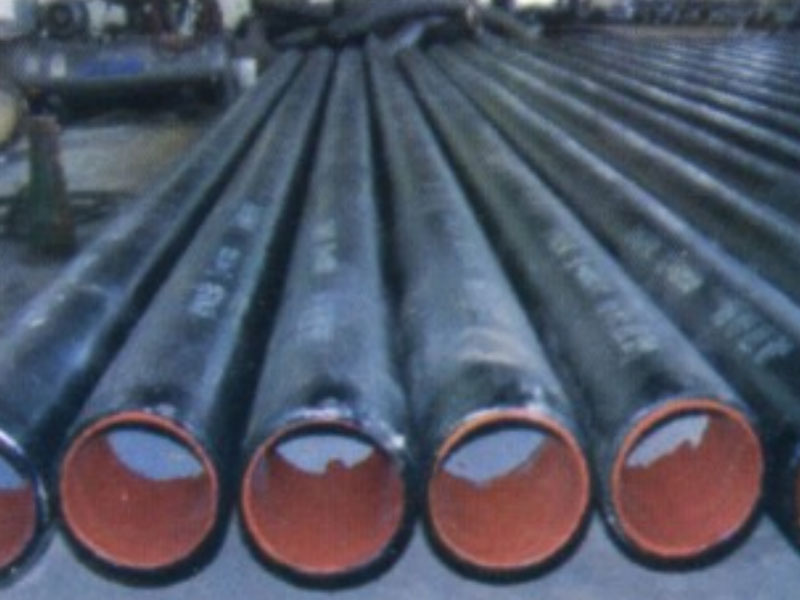
The EPC vacuum suction casting process offers high dimensional accuracy in mold making, uniform material structure, and stable performance. It is particularly suitable for integral casting of straight pipes, reducing pipes, variable wall thickness pipes, elbow pipes, and tapered pipes.
5. Low Flow Resistance in Pipeline Systems
Due to the refined grain structure and the elimination of defects such as porosity, slag inclusion, and structural looseness through advanced processing, the inner wall of the pipe becomes smooth as a mirror after a period of medium conveying. This significantly reduces flow resistance, extends the service life of the pipeline, and further enhances the material's durability.
6. Convenient Installation
Installation can be carried out using various methods, including flange connection, quick couplings, and direct welding. The addition of FeV, FeNb, and Cu allows the new material to achieve increased hardness through heat treatment while still permitting easy cutting, replacement, and welding during installation.
Working Principle
Abrasive wear is the most severe form of wear among various wear mechanisms. It essentially results from the cutting or gouging action of hard abrasive particles on the metal surface. The abrasive particles penetrate the metal surface, causing plastic deformation and wear scars, ultimately eroding the metal surface. The new high-strength rare earth wear-resistant material has been developed based on this principle.
Applications
This material is widely used in:
Power plants: Coal grinding systems, pulverizing systems, slag and ash removal systems
Metallurgical industry: Tailings slag conveying
Mining industry: Coal washing pipelines, chutes, etc.
Customization
The profiles and geometric dimensions of wear-resistant products can be manufactured according to customer requirements.
If you would like to learn more about our products, please feel free to contact us. We are dedicated to providing you with the assistance you need.
We will reply to you as soon as possible.
 Exporter Alloy rare earth wear-resistant steel bent and straight pipe series Factory