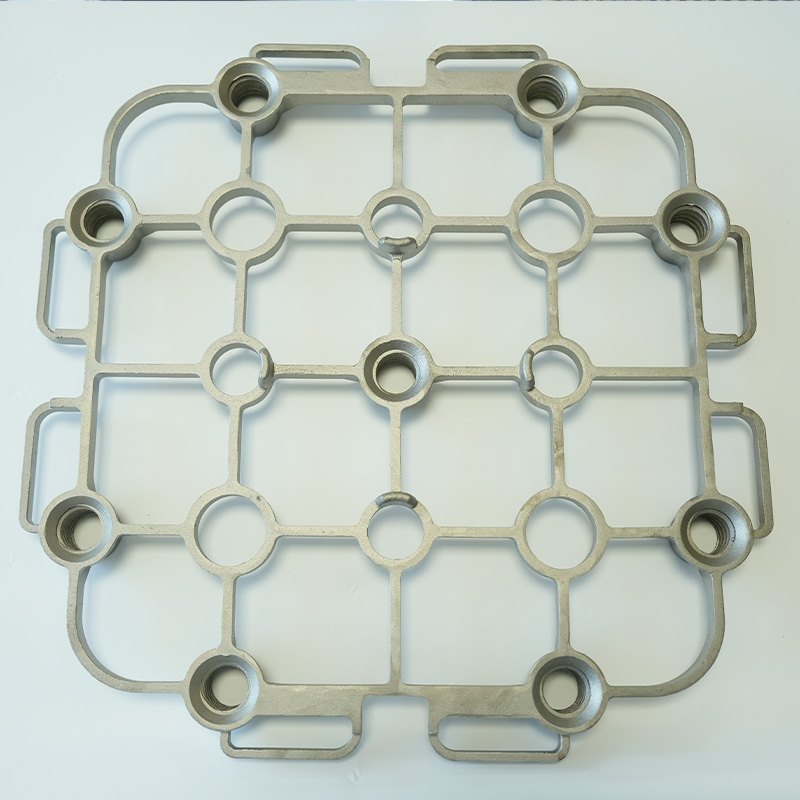
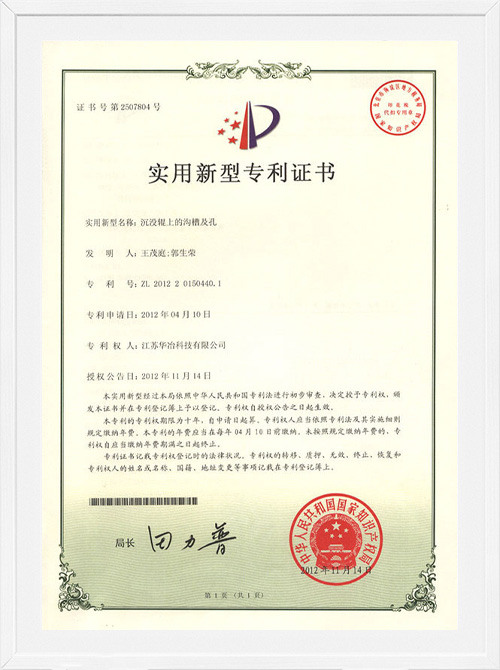
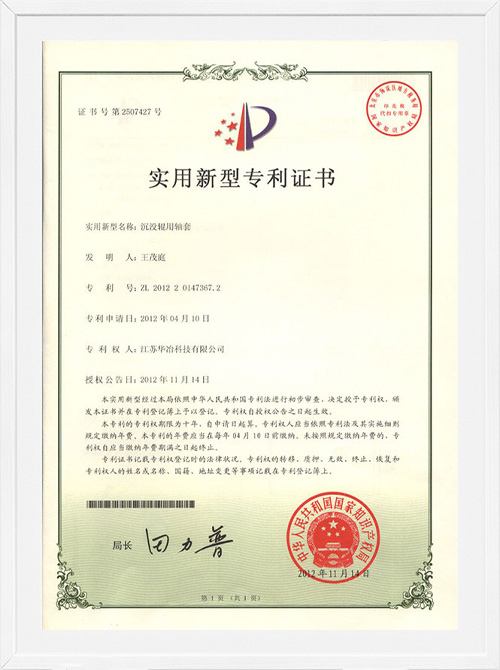
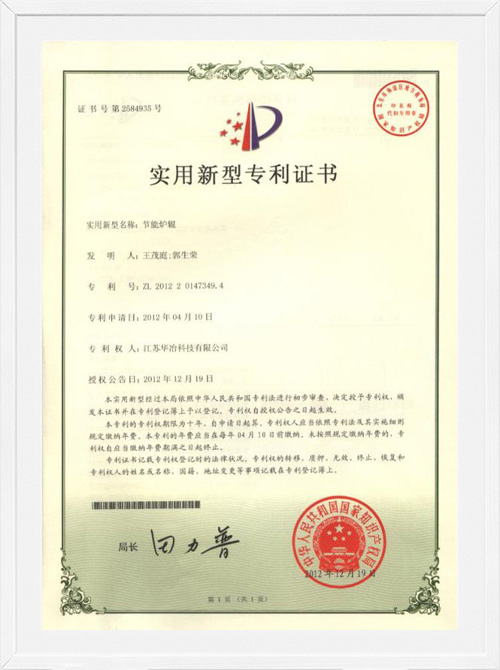
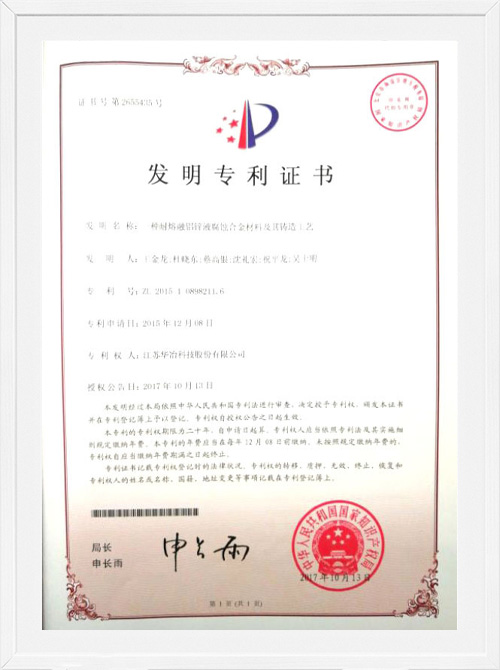
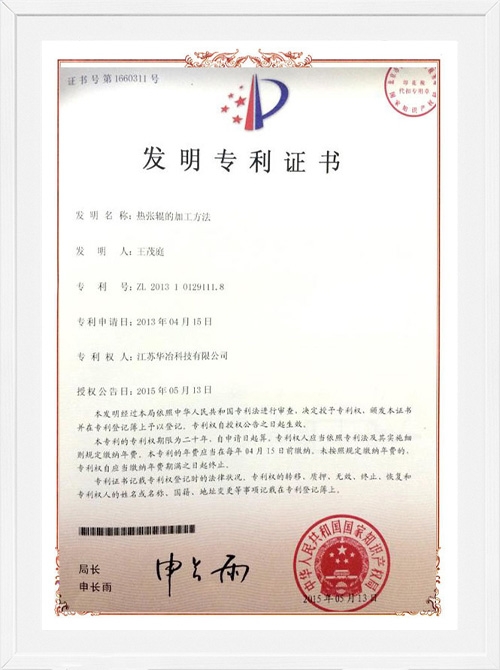
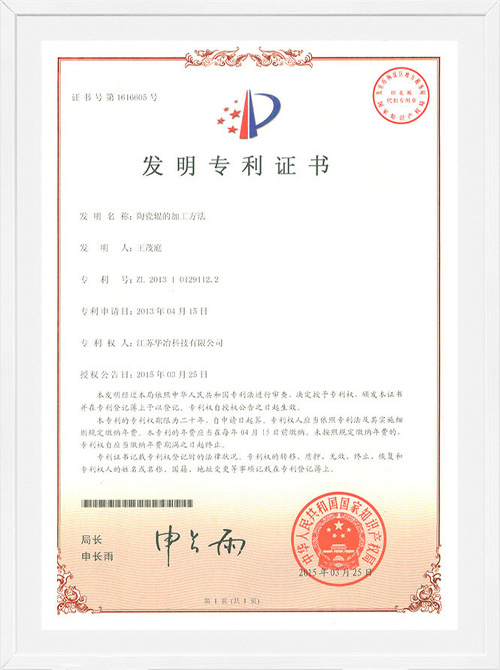
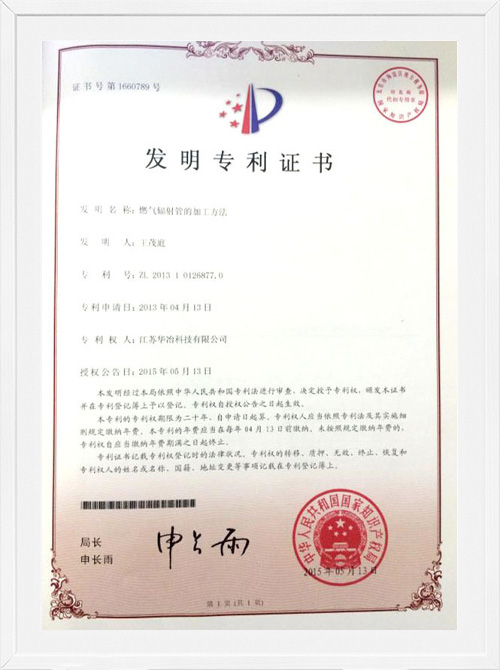
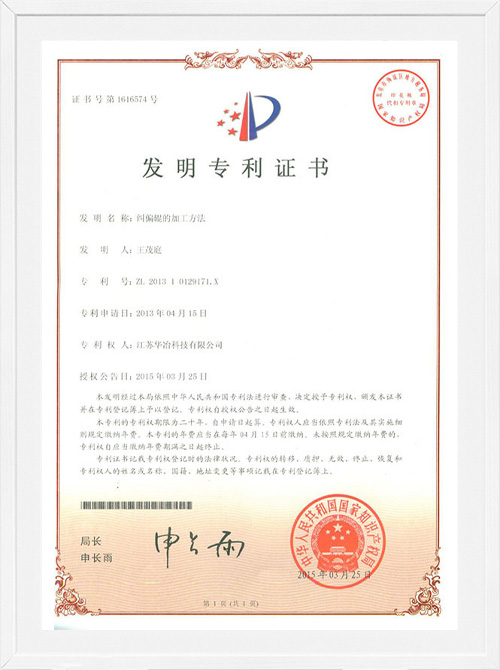
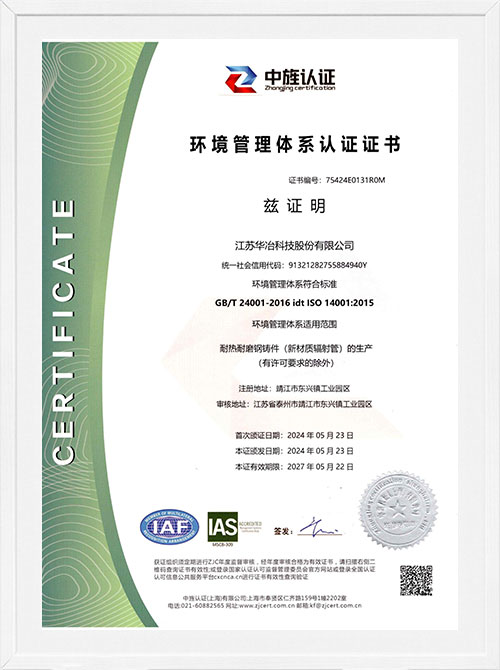
A Heat Treatment System lies at the core of modern metal processing and materials engineering. Fundamentally, it alters the internal microstructure of a material—through controlled cycles of heating, holding, and cooling—thereby endowing the workpiece with desired mechanical properties. Jiangsu Huaye Technology Co., Ltd. specializes deeply in the field of heat treatment technology, seamlessly integrating materials science with automation control to enhance the foundational value of industrial manufacturing.
I. Core Process Components of a Heat Treatment System
Heat treatment is not a singular physical process, but rather a series of precisely coordinated stages. A complete and efficient heat treatment system typically comprises the following key process nodes:
Precision Heating Stage
Heating marks the commencement of the heat treatment process. The system raises the metal's temperature above its phase transformation point using methods such as electric radiant heating, induction heating, or gas circulation. The primary focus during this stage is the uniformity of the thermal field. Improper heating rates or excessive temperature gradients can induce internal stresses within the workpiece, potentially leading to cracking.
Phase Transformation Holding Stage
Once the workpiece reaches the predetermined temperature, it must be held at that level for a specific duration to ensure complete microstructural transformation. For instance, during the austenitizing of steel, the holding time directly determines the resulting grain size. In its system designs, Jiangsu Huaye Technology places particular emphasis on controlling the atmosphere within the holding chamber to prevent oxidation and decarburization.
Controlled Cooling (Quenching/Tempering) Stage
Cooling is the critical factor that determines the final material properties. Depending on the specific material requirements, the cooling medium may consist of oil, water, air, or specialized polymer solutions. By precisely controlling the cooling curve, distinct microstructures—such as martensite, bainite, or pearlite—can be achieved, thereby striking the optimal balance between hardness and toughness.
II. Key Components of a Modern Heat Treatment System
To ensure the stability and reliability of the process workflow, a professional, industrial-grade heat treatment system must integrate several distinct subsystems:
| Component Name |
Functional Description |
Core Technical Features |
| Heating Furnace Body |
Provides a strictly enclosed high-temperature environment for thermal processing. |
High-alumina fiber insulation materials; low-energy consumption structural design. |
| Control System |
Monitors and regulates temperature curves, dwell times, and process parameters. |
PID closed-loop control; multi-channel high-precision temperature recording. |
| Atmosphere Circulation System |
Maintains internal furnace pressure and chemical composition of the gas. |
Protective atmospheres (Nitrogen/Argon); specialized chemical heat treatment media. |
| Cooling Unit |
Executes rapid or controlled cooling (quenching) to achieve desired metallurgy. |
Variable frequency cooling fans; integrated industrial heat exchangers. |
| Material Handling Mechanism |
Facilitates automated loading and unloading of industrial workpieces. |
High-temperature resistant rollers; heavy-duty chain or pusher systems. |
III. Applications of Heat Treatment Systems in Diverse Manufacturing Fields
The performance of heat treatment systems directly impacts the service life of end products. Jiangsu Huaye Technology Co., Ltd.'s technical solutions are widely applied in the following industrial fields:
Precision Transmission: For parts such as gears and bearings, heat treatment systems significantly improve surface hardness and contact fatigue strength.
Mold Manufacturing: Vacuum heat treatment prevents mold surface oxidation and ensures dimensional stability.
Fastener Processing: Batch processing of bolts and nuts ensures their tensile strength meets industry safety standards.
Aerospace and Automotive: Aging treatment of lightweight aluminum alloys or high-strength steel optimizes their specific strength.
IV. Key Factors for Improving Heat Treatment Quality
In actual production, simply possessing equipment does not equate to high quality. The quality of a heat treatment system often depends on meticulous attention to detail:
Atmosphere Balance
At high temperatures, metals readily react with oxygen and water vapor. Advanced systems monitor oxygen potential in real time and maintain a reducing or neutral environment through precise gas replenishment.
Thermal Inertia Management
High-performance systems reduce thermal inertia by optimizing furnace lining materials, resulting in more sensitive heating and cooling responses, shorter production cycles, and lower unit energy consumption.
Automated Collaboration
Integrating the heat treatment system with the factory's ERP or MES system enables traceability of process parameters for each batch of workpieces, a fundamental requirement of modern industrial production.
V. Frequently Asked Questions (FAQ)
Q1: Why is it necessary to control the heating rate during heat treatment?
A: If the heating rate is too fast, a large temperature difference will occur between the workpiece surface and its core, leading to uneven thermal expansion and subsequent workpiece deformation. For workpieces with complex shapes, stepped heating is a common strategy.
Q2: What is the main difference between annealing and normalizing?
A: Annealing typically involves slow cooling in a furnace, aiming to soften the material to the maximum extent and eliminate internal stress; while normalizing involves cooling in air, resulting in a finer microstructure and slightly higher hardness and strength.
Q3: How to prevent oxidation and decarburization during heat treatment?
A: This is typically achieved through two methods: first, by utilizing a vacuum heat treatment system to completely eliminate air; and second, by introducing a protective atmosphere (such as a nitrogen-based or endothermic atmosphere) to maintain the metal surface within a chemically inert environment.
Q4: How do heat treatment systems ensure consistency across large batches of workpieces?
A: This relies on the scientifically engineered design of airflow circulation within the furnace. By employing forced-convection fans to ensure the circulation of hot air reaches every corner—thereby eliminating "dead zones"—and integrating multi-point temperature measurement technology, the temperature variation across all locations within the furnace is maintained within an extremely narrow range.
Q5: What is Jiangsu Huaye Technology Co., Ltd.’s primary focus regarding system customization?
A: Our focus lies in providing a comprehensive, end-to-end solution—ranging from structural design to automation control—that is precisely tailored to each client's specific material properties and process requirements. This ensures that our heat treatment solutions not only adhere to fundamental metallurgical principles but also effectively balance production efficiency with operational stability.
Jiangsu Huaye Technology Co., Ltd. remains continuously attuned to the latest advancements in the heat treatment industry. Through a constantly evolving system architecture, we empower manufacturing enterprises to overcome complex challenges related to material performance, thereby enabling them to maintain technological leadership amidst an increasingly complex global competitive landscape.
 No. 308, Gongxin Road, Industrial Park, Dongxing Town, Jingjiang City, Jiangsu Province, China
 English
 Español
 русский
 中文简体
中文简体