No. 308, Gongxin Road, Industrial Park, Dongxing Town, Jingjiang City, Jiangsu Province, China
 [email protected]/ [email protected]
 English
 Español
 русский
 中文简体
中文简体 No. 308, Gongxin Road, Industrial Park, Dongxing Town, Jingjiang City, Jiangsu Province, China[email protected]/ [email protected]
Content
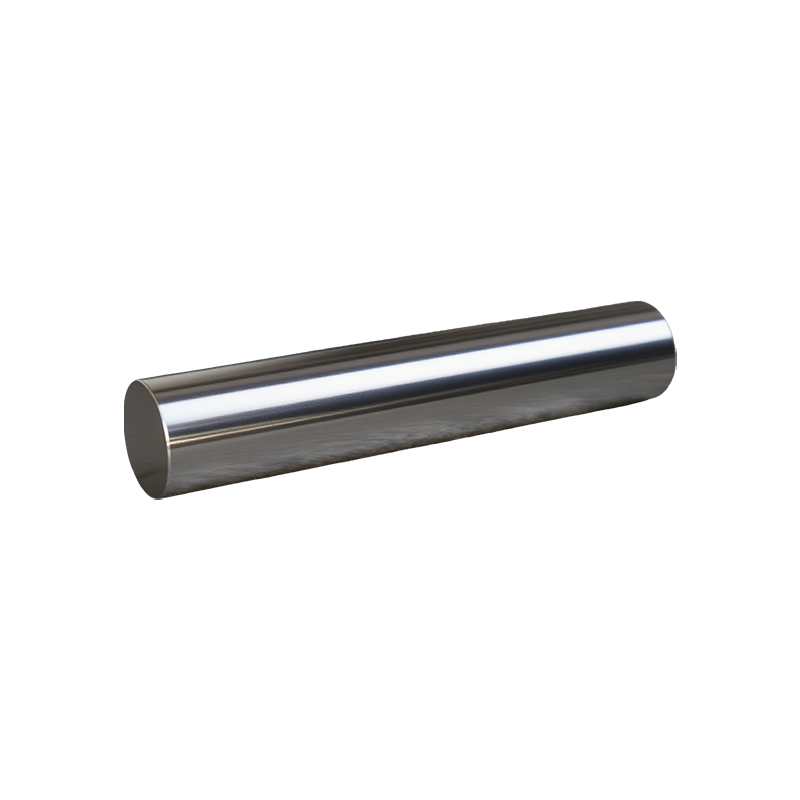
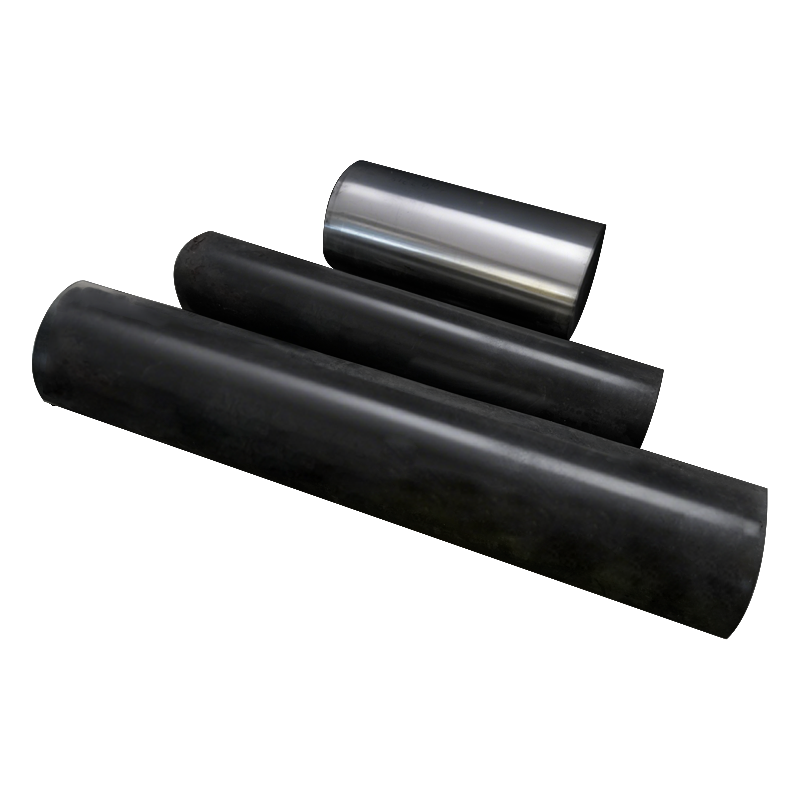
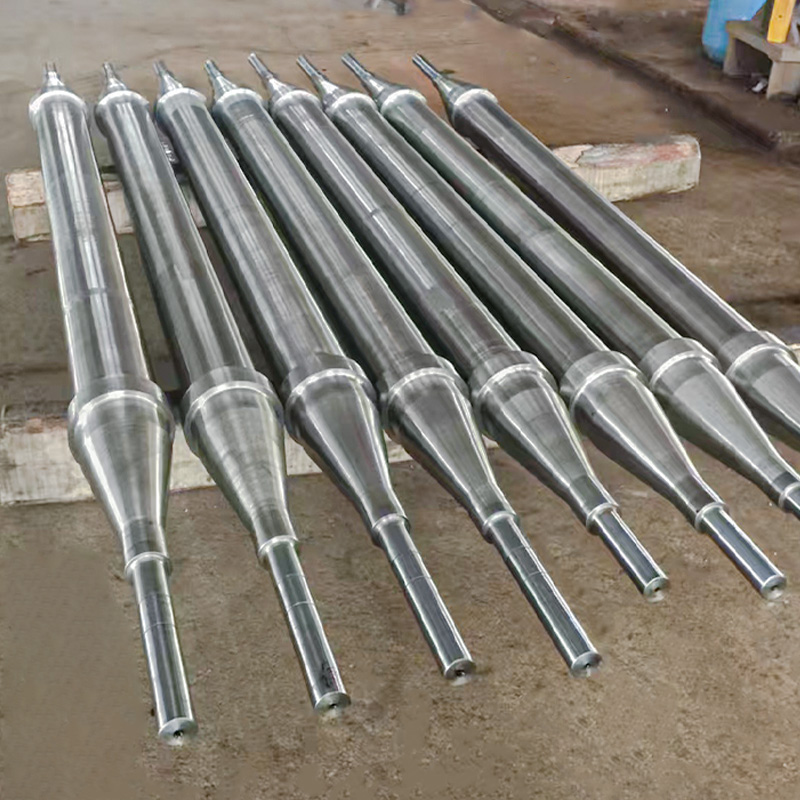
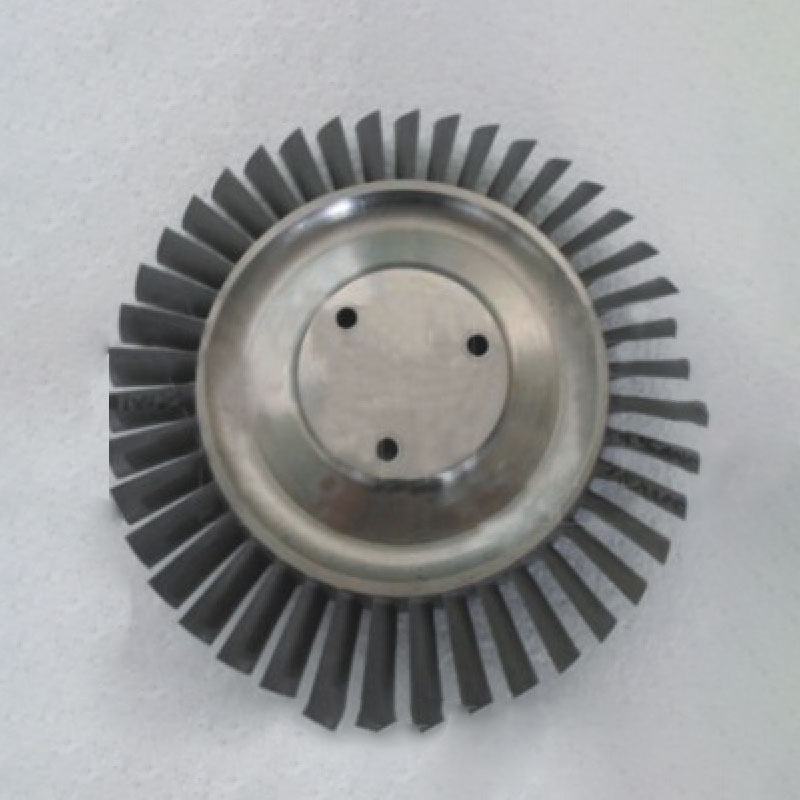
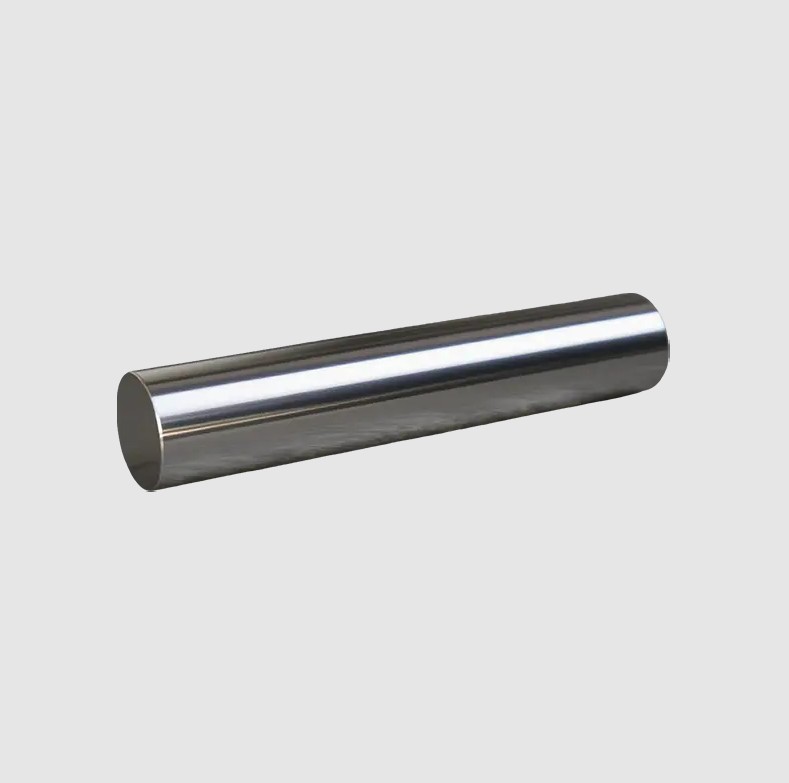
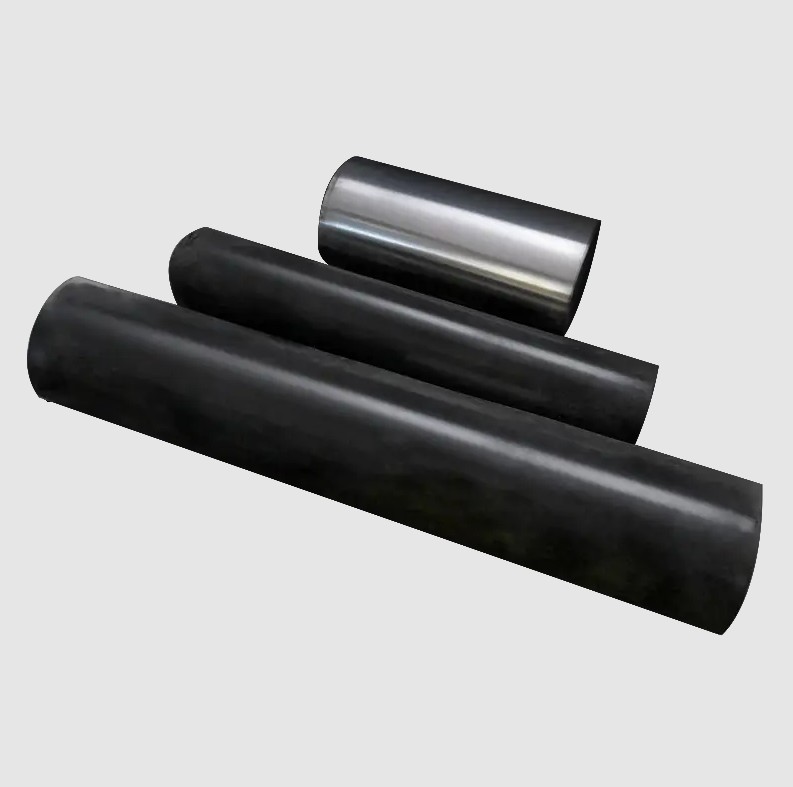
High-temperature alloy rods are precision-engineered metal bars designed to retain strength, resist oxidation, and maintain dimensional stability at elevated temperatures. These rods are crucial for applications ranging from aerospace engine components to industrial furnaces.
Key Characteristics:
Material Grades: Typically made from nickel-based, cobalt-based, or refractory metal alloys (e.g., Inconel, Hastelloy, Nimonic, TZM).
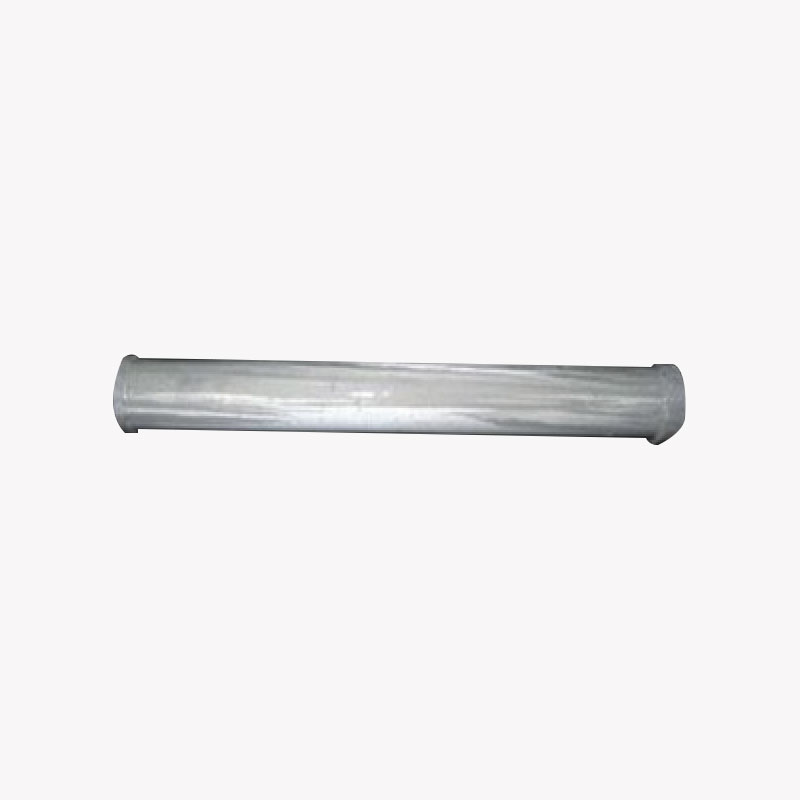
Form Factor: Available as round bars, rods, or tubes with a wide range of diameters (often from a few millimeters to several inches).
Standards Compliance: Most products meet international standards such as ASTM, AMS, ISO, or GB/T, ensuring material certification and traceability.
Processing: Can be supplied in various conditions (annealed, solution-treated) and may require further machining or heat treatment based on the end-use application.
The table below summarizes the most common high-temperature alloy grades, highlighting their maximum service temperatures, typical applications, and relevant industry standards.
| Alloy Grade | Maximum Service Temperature (°C) | Typical Applications | Relevant Standards / Certifications |
|---|---|---|---|
| Inconel 718 | Up to -704°C (1300°F) for sustained service | Aerospace turbine components, high-pressure fasteners, oil & gas equipment | AMS 5662, ASTM B637 |
| Inconel 625 | Up to -982°C (1800°F) | Chemical processing, marine, aerospace structures | AMS 5661, ASTM B637 |
| Hastelloy C-4 | Oxidation resistance up to 1038°C (1900°F); mechanical use typically up to +400°C | Chemical process equipment, high-corrosion environments | AMS, ASTM, GB/T |
| Nimonic 80A | Up to 815°C (1500°F) | Gas turbine components, bolts, nuclear boiler supports | SAE AMS 5660, ISO 9723 |
| Nimonic 90 | Up to 920°C (1688°F) | Turbine blades, discs, hot-working tools | SAE AMS 5661, ISO 9725 |
| Nimonic 105 | Up to 950°C | High-temperature fasteners, aerospace tooling | SAE AMS 5660, AECMA PrEN |
| Nimonic 115 | Up to 1010°C | Advanced turbine blades, high-temperature aerospace parts | SAE AMS 5660, AECMA PrEN |
| Nimonic 263 | Up to 850°C (1550°F) | High-temperature, creep-resistant components | AMS 5660, AECMA PrEN |
| TZM (Titanium-Zirconium-Molybdenum) | Operational range 1000-1400°C; excellent strength >1300°C | Furnace structural components, aerospace tooling, nuclear reactors | ASTM B387 (Molybdenum Alloys) |
| Haynes 188 | Oxidation resistance up to 1095°C (2000°F) | Gas turbine combustors, aerospace engine components | AMS 5608, GE B50A712 |
| Decision Factor | What to Consider | Why It Matters |
|---|---|---|
| Operating Temperature | Choose an alloy with a max service temperature at least 20-30% higher than your process temperature. | Prevents creep and loss of mechanical strength. |
| Corrosive Environment | Identify if the environment is oxidizing, reducing, or contains specific chemicals (e.g., sulfur, chlorides). | Some alloys (e.g., Haynes 25) excel in oxidizing atmospheres, while others resist sulfidation. |
| Mechanical Load | Assess static vs. dynamic loads, and required tensile strength. | High mechanical loads require alloys with superior strength (e.g., GH4169). |
| Fabrication Requirements | Determine if the rod will be machined, welded, or formed into complex shapes. | Certain alloys are more weldable (e.g., GH4169) while others are optimized for forging. |
| Standard Compliance | Verify if your industry requires specific certifications (ASTM, GB/T, GJB, ASME). | Ensures quality and compatibility with regulatory requirements. |
| Standard | Scope | Typical Application |
|---|---|---|
| GB/T14992 | Chinese standard for high-temperature alloys. | General compliance for domestic projects. |
| ASTM (e.g., B578, B642) | International standards covering chemical composition, mechanical properties, and testing methods. | Widely used in global trade for quality assurance. |
| AMS (Aerospace Material Specification) | U.S. aerospace standards (e.g., AMS 5608 for Haynes 188). | Critical for aerospace components and parts |
| ASME Section II, Part C | Specifications for welding rods, electrodes, and filler metals for high-temperature applications. | |
| GJB (Military Standards of China) | Detailed specifications for aviation components (e.g., GJB2611A for cold pulling rods). |
Alloy Used: Nimonic 115
Reason for Selection: The blade operates in a high-temperature environment (-1100°C) with significant mechanical stress. Nimonic 115 provides a combination of high tensile strength and excellent creep resistance.
Outcome: Improved engine efficiency and longer service intervals due to superior high-temperature performance.
Alloy Used: Hastelloy C-4
Reason for Selection: The reactor processes corrosive chemicals at temperatures up to 350°C. Hastelloy C-4 offers exceptional resistance to both oxidizing and reducing environments.
Outcome: Extended vessel lifespan and reduced maintenance costs due to the alloy's resistance to corrosion-related degradation.
Alloy Used: TZM (Titanium-Zirconium-Molybdenum)
Reason for Selection: The support structure must maintain structural integrity at temperatures exceeding 1200°C. TZM provides high strength and stability at these extreme temperatures.
Outcome: Reliable operation under high thermal loads with minimal deformation.
When placing an order for high-temperature alloy rods, consider the following steps:
Clearly define the alloy grade (e.g., Inconel 718, Hastelloy C-4).
Provide exact dimensions (diameter, length) and tolerance requirements.
Specify any required heat treatment (e.g., annealed, solution-treated).
Request material test reports (MTR) and certificates of compliance (e.g., AMS, ASTM).
For large orders, request a sample piece to verify dimensions and surface finish.
Stock Items: Typically 2-5 working days.
Custom Lengths/Heat Treatments: Typically 15-30 working days, depending on the complexity and current production schedule.
High-temperature alloys are often shipped in protective packaging to prevent surface contamination. Verify packaging requirements if the material is to be used in a cleanroom or sterile environment.
Even though high-temperature alloys are designed for extreme conditions, regular maintenance and inspection are essential:
Visual Inspection: Look for signs of oxidation, cracks, or surface pitting. For alloys like Inconel, a thin oxide layer can be normal.
Dimensional Checks: Use precision measuring tools (micrometers, calipers) to verify that the rods remain within tolerance after service.
Non-Destructive Testing (NDT): Consider ultrasonic testing or eddy current testing for detecting internal flaws, especially in critical aerospace or power generation components.
Cleaning: Use non-abrasive cleaning methods. Avoid harsh chemicals that could compromise the alloy's protective oxide layer.
| Parameter | High-Temperature Alloy Rods | Stainless Steel Rods | Ceramic Rods |
|---|---|---|---|
| Temperature Capability | Up to 1200°C (depending on alloy) | Up to 600°C | Up to 1500°C+ |
| Mechanical Strength | High tensile strength, good ductility | Moderate strength, lower at high temps | Brittle, high compressive strength |
| Corrosion Resistance | Excellent in harsh environments | Good, but less than nickel alloys | Excellent, but can be affected by thermal shock |
| Machinability | Requires specialized tools, especially after heat treatment | Easier to machine | Difficult to machine, often requires grinding |
| Cost | High (due to nickel/cobalt content) | Lower | Very high |
Select the Right Alloy: Base your choice on the specific temperature, mechanical load, and corrosion environment of your application.
Verify Standards: Ensure compliance with relevant standards (ASTM, AMS, ISO) and request proper certification.
Plan for Lead Times: Custom orders can take several weeks; factor this into your project timeline.
Maintain Properly: Regular inspections and proper handling are essential for ensuring long-term performance.
While many high-temperature alloys develop a protective oxide layer during service, additional surface treatments can enhance performance for specific applications.
| Treatment / Coating | Primary Benefits | Typical Use Cases |
|---|---|---|
| Thermal Oxidation (Aluminizing) | Forms a protective Al₂O₃ layer, increasing oxidation resistance at 1000-1150°C | Gas turbine blades, furnace components |
| Chromizing | Improves oxidation resistance and reduces scale spalling | High-temperature fasteners, exhaust systems |
| Carburizing (Nitriding) | Increases surface hardness, improves wear resistance | High-wear components, gear teeth |
| PVD (Physical Vapor Deposition) Coatings | Provides a hard, wear-resistant surface without significantly affecting bulk properties | Cutting tools, aerospace components |
| Electroplating (Nickel, Chrome) | Enhances corrosion resistance and provides a smooth finish for aesthetic or sealing purposes | Decorative parts, sealing surfaces |
Machining high-temperature alloys requires specialized techniques due to their work-hardening tendencies and high strength.
| Aspect | Best Practice |
|---|---|
| Tool Material | Use carbide tools with TiAlN or AlTiN coatings for improved wear resistance. For extremely hard alloys like TZM, use CBN (Cubic Boron Nitride) tools. |
| Cutting Speed | Lower cutting speeds are generally recommended to reduce tool wear. For Inconel, speeds often range from 20-40 m/min. |
| Feed Rate | Moderate feed rates help avoid excessive heat buildup. A higher feed can sometimes be beneficial to reduce dwell time. |
| Coolant | Use high-pressure, high-flow coolant (water-soluble oils) to dissipate heat and flush chips. Cryogenic cooling (liquid nitrogen) is also an option for extreme cases. |
| Chip Management | These alloys tend to produce continuous, stringy chips that can entangle. Use chip breakers and ensure proper chip evacuation. |
| Heat Treatment Post-Machining | For components requiring specific mechanical properties, a post-machining heat treatment (solution annealing, aging) may be necessary. |
Given the strategic importance of high-temperature alloys, especially in aerospace and energy sectors, a robust sourcing strategy is essential.
| Strategy | Description |
|---|---|
| Dual Sourcing | Maintain relationships with at least two reputable suppliers to mitigate risks of supply disruptions. |
| Long-Term Contracts | Negotiate long-term supply contracts with price escalation clauses tied to market indices for nickel and cobalt. |
| Inventory Buffer | Keep a safety stock of critical dimensions and alloys to avoid production downtime. |
| Supplier Audits | Regularly audit suppliers for compliance with standards (e.g., AMS, ISO 9001) and ethical sourcing practices. |
| Traceability | Ensure that each batch comes with a full material test report (MTR) and traceability documentation. |
| Symptom | Potential Cause | Recommended Action |
|---|---|---|
| Cracking after Heat Treatment | Improper cooling rate or excessive residual stress | Review heat treatment cycle; consider stress-relief annealing. |
| Excessive Tool Wear | High cutting speed, inadequate coolant, or using incorrect tool material | Reduce cutting speed, increase coolant flow, switch to coated carbide or CBN tools. |
| Scale Spallation | Operating temperature exceeds the alloy’s oxidation limit | Verify temperature limits; consider a protective coating. |
| Corrosion in Specific Environments | Unexpected chemical exposure (e.g., chlorine, sulfur compounds) | Verify chemical compatibility; switch to a more resistant alloy like Hastelloy C-4. |
| Dimensional Instability | Creep at high temperatures over time | Ensure the alloy’s creep resistance meets the application’s temperature and stress profile. |
High-temperature alloy rods undergo a series of tests to validate their performance:
Method: Optical Emission Spectroscopy (OES) or X-ray Fluorescence (XRF).
Purpose: Verify that the alloy meets the precise elemental percentages defined by standards (e.g., Ni 50-55% for Inconel 718) .
Tensile Test: Determines yield strength, ultimate tensile strength, and elongation at break. For Inconel 718, typical room temperature tensile strength ranges from 965 MPa to over 1500 MPa depending on heat treatment .
Hardness Test: Rockwell C hardness (HRC) is commonly measured. Inconel 718 can achieve HRC 36-44 in the standard aged condition, and up to HRC 50 in the high-strength condition .
Creep Test: Measures the material's ability to resist deformation under sustained high temperature and stress, a critical property for turbine components.
Method: Optical microscopy and scanning electron microscopy (SEM) to observe grain size, precipitation phases (γ', γ''), and any defects.
Relevance: The presence and distribution of precipitates directly affect the alloy's high-temperature strength and fatigue resistance.
Techniques: Ultrasonic testing (UT), radiographic testing (RT), and eddy current testing.
Purpose: Detect internal flaws such as voids, cracks, or inclusions without damaging the part.
The production and use of high-temperature alloys have environmental implications, and the industry is moving toward more sustainable practices:
| Aspect | Current Challenges | Emerging Solutions |
|---|---|---|
| Resource Intensity | High nickel and cobalt content (e.g., Inconel 718 is -70% nickel) leads to significant mining and energy consumption. | Development of reduced-nickel alloys and recycling programs for end-of-life components. |
| Energy Consumption | Manufacturing processes (e.g., forging, additive manufacturing) are energy-intensive. | Additive Manufacturing (AM) reduces material waste and can be powered by renewable energy sources. |
| Recyclability | High nickel alloys are highly recyclable, but the process can be complex due to alloying elements. | Advanced hydrometallurgical and pyrometallurgical recycling methods are improving recovery rates. |
| Carbon Footprint | Emissions from mining and processing. | Lifecycle assessments (LCAs) are being integrated into supply chain decisions to select lower-carbon options. |
When designing components that operate at elevated temperatures, consider the following guidelines:
Creep Resistance: Design for stresses below 70% of the material’s yield strength at the operating temperature to mitigate creep deformation over time.
Stress Concentrations: Minimize sharp corners and notches. Use fillets and smooth transitions to reduce stress raisers, especially important for components like turbine blades.
Thermal Gradients: Account for differential expansion. In multi-material assemblies (e.g., Inconel 718 to stainless steel), design compliant interfaces or graded transitions to accommodate mismatched thermal expansion coefficients.
Fatigue Life: For cyclic loading, prioritize surface finish quality (Ra < 0.8 µm) and consider shot peening to introduce beneficial compressive residual stresses.
Q1: How do I choose the right alloy for my application?
Temperature: Match the alloy's maximum service temperature to your operating range (e.g., Inconel 718 for up to 704°C, Hastelloy C-4 for high corrosion environments up to 400°C).
Corrosion: For aggressive chemical exposure, consider nickel-chromium-molybdenum alloys like Hastelloy C-4 or Haynes 188.
Mechanical Load: For high mechanical stress at temperature, select alloys with proven creep resistance like Nimonic 115 or TZM.
Q2: What is the difference between ASTM and AMS standards?
ASTM (American Society for Testing and Materials) covers a broad range of material specifications and testing methods, ensuring baseline quality.
AMS (Aerospace Material Specification) is more specific to aerospace applications, often requiring tighter control over composition and performance.
Q3: Can these rods be welded?
Many high-temperature alloys are weldable, but they often require specific filler metals and post-weld heat treatment to avoid cracking (e.g., Inconel 718 is known for excellent post-weld properties). Always consult the supplier's welding guidelines.
Q4: What are the typical lead times for custom orders?
Stock rods: 3-7 working days after payment confirmation.
Custom rods: 20-45 working days, depending on the complexity of the heat treatment and machining requirements.
| Trend | Implication |
|---|---|
| Additive Manufacturing (3D Printing) | Techniques like Laser Powder Bed Fusion (LPBF) are enabling the production of complex geometries in Inconel and Hastelloy, reducing material waste and enabling lattice structures for weight reduction. |
| Advanced Superalloys | Development of single-crystal and directionally solidified alloys pushes the temperature limits further, especially for next-gen turbine engines. |
| Sustainability Initiatives | Recycling of high-nickel alloys and reducing reliance on cobalt (due to ethical concerns) are driving research into alternative alloy compositions. |
| Smart Monitoring | Integration of sensors for real-time temperature and stress monitoring in critical alloy components is becoming more common, especially in aerospace. |
We will reply to you as soon as possible.
 custom alloys for sale
wholesale different alloys
custom alloys for sale
wholesale different alloys