No. 308, Gongxin Road, Industrial Park, Dongxing Town, Jingjiang City, Jiangsu Province, China
 [email protected]/ [email protected]
 English
 Español
 русский
 中文简体
中文简体 No. 308, Gongxin Road, Industrial Park, Dongxing Town, Jingjiang City, Jiangsu Province, China[email protected]/ [email protected]
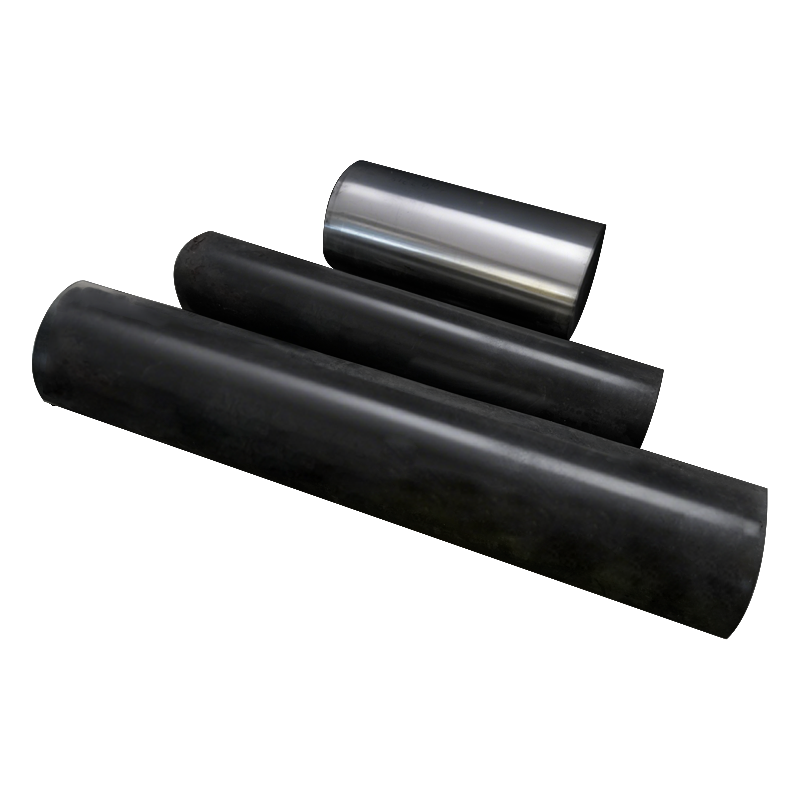
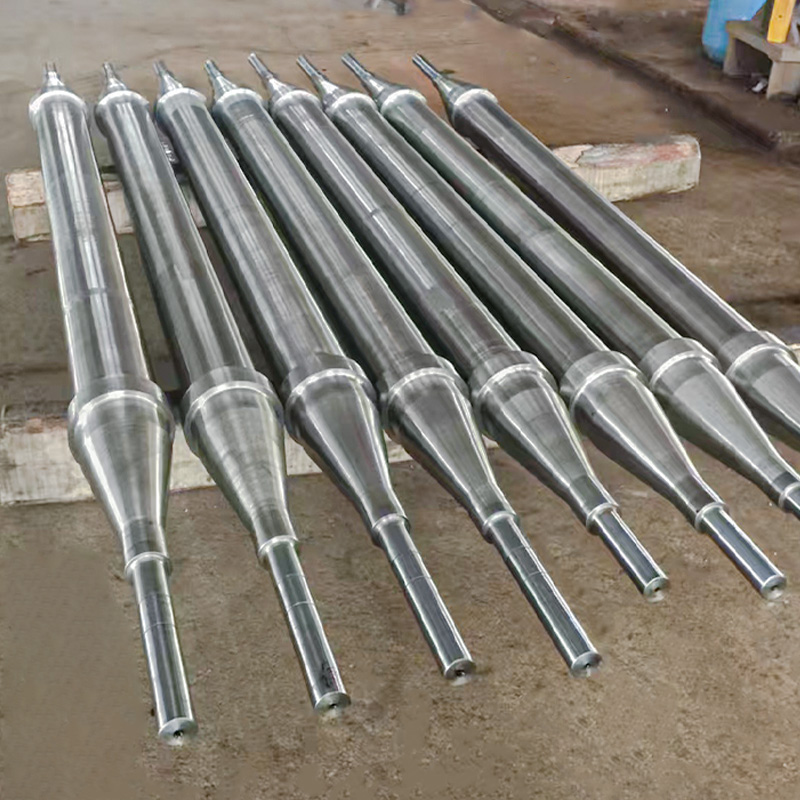
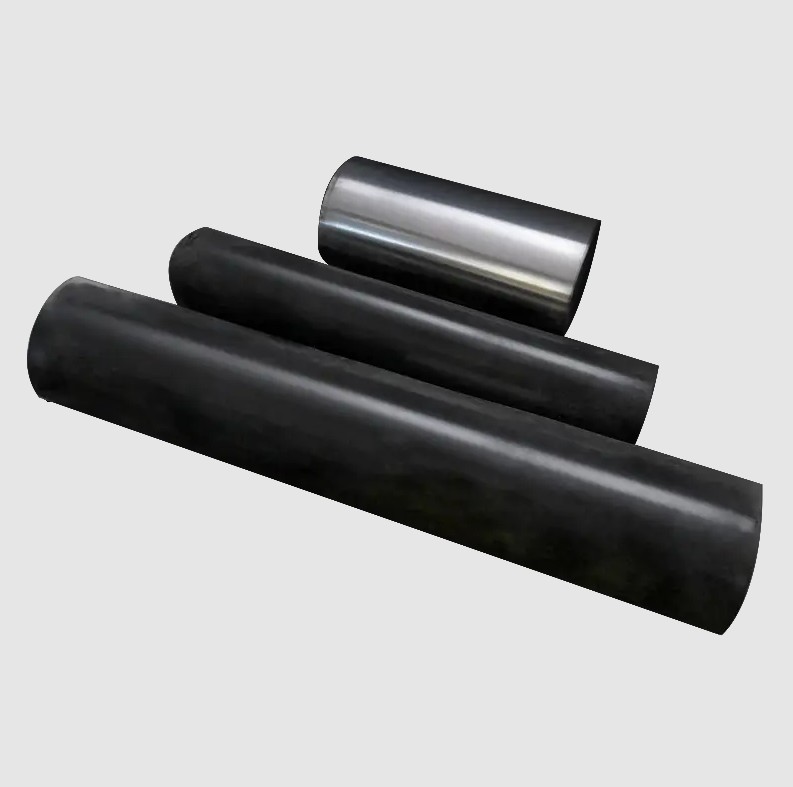
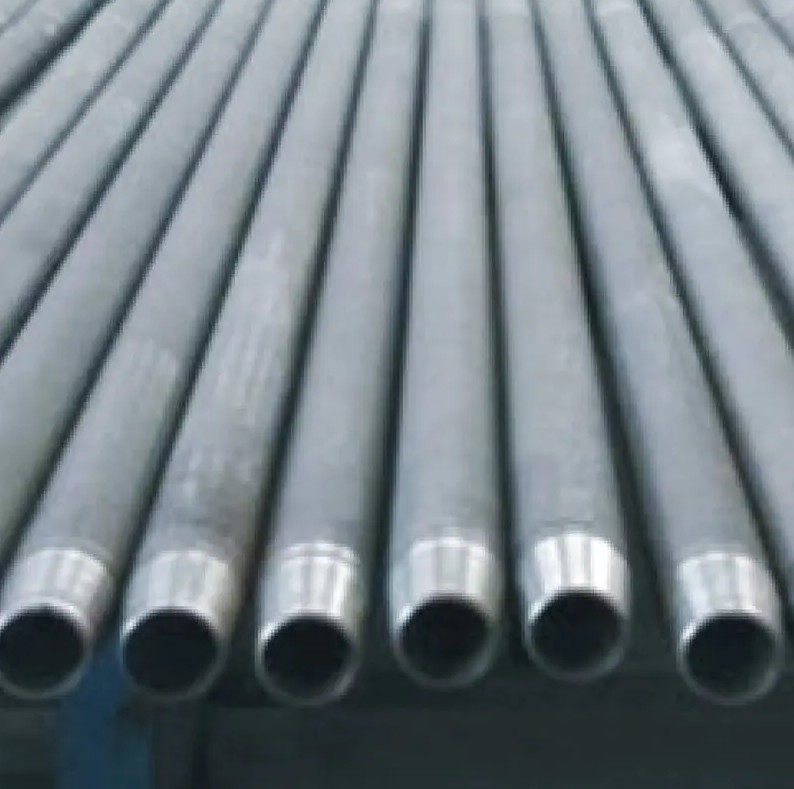
High-temperature alloy rods — commonly referred to as superalloy rods or master alloy bars — are precision-engineered metallic materials based on nickel, cobalt, or iron that are capable of sustaining mechanical loads and resisting oxidation at temperatures exceeding 600°C. Supplied in bar or rod form, they serve as the primary feedstock for remelting and investment casting of critical components in aerospace, energy, and industrial applications. Their value lies in a unique combination of high-temperature strength, creep resistance, fatigue performance, and hot corrosion resistance that no other class of engineering material can match across the full temperature range required.
Content
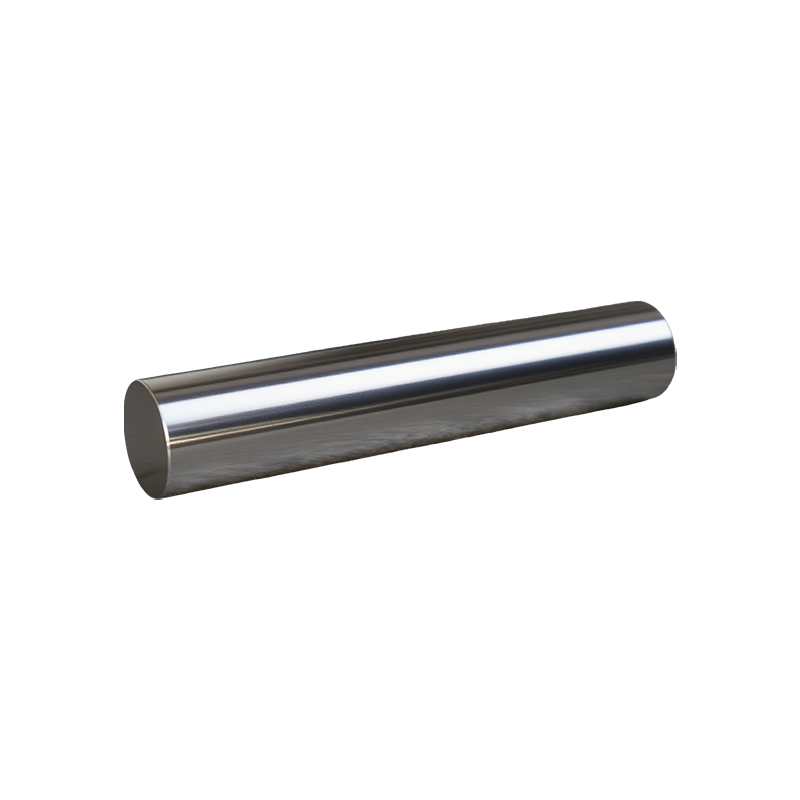
High-temperature alloys, also known as superalloys, are a specialized family of metallic materials engineered to operate under significant mechanical stress at elevated temperatures for extended service durations. When produced in rod or bar form, they are most commonly referred to as master alloy rods — a term that reflects their role as a precisely controlled starting material for downstream casting operations.
Superalloy rods are classified into three primary families based on their matrix element:
The exceptional performance of high-temperature alloy rods stems from a combination of properties that are specifically engineered through alloy composition and processing:
Creep — the slow, time-dependent deformation of a material under sustained stress at elevated temperature — is the dominant failure mode in hot-section turbine components. High-temperature alloy rods are strengthened through precipitation of the ordered intermetallic phase gamma-prime (γ'), which pins dislocations and resists creep deformation. In advanced nickel-base alloys, γ' can constitute 60–70% of the microstructure by volume, providing exceptional resistance to deformation at operating temperatures above 900°C.
Chromium additions of typically 8–20 wt% promote the formation of a protective Cr₂O₃ oxide scale that acts as a barrier against oxidation. Aluminum additions further enhance oxidation resistance by forming Al₂O₃ scales at higher temperatures. Yttrium and other reactive element additions improve scale adhesion and prevent spallation during thermal cycling.
Rotating turbine components experience millions of load cycles over their service life. High-temperature alloy rods produced with clean melting practices — minimizing non-metallic inclusions, oxide stringers, and segregation — achieve high-cycle fatigue (HCF) strengths and thermal-mechanical fatigue (TMF) lives that meet aerospace certification requirements.
The ability to tolerate small cracks and defects without catastrophic failure is critical in safety-critical applications. High-temperature alloy rods balance strength and toughness through controlled grain size, optimized heat treatment schedules, and tight compositional tolerances on embrittling trace elements such as sulfur and phosphorus — typically held below 0.015 wt% in premium grades.
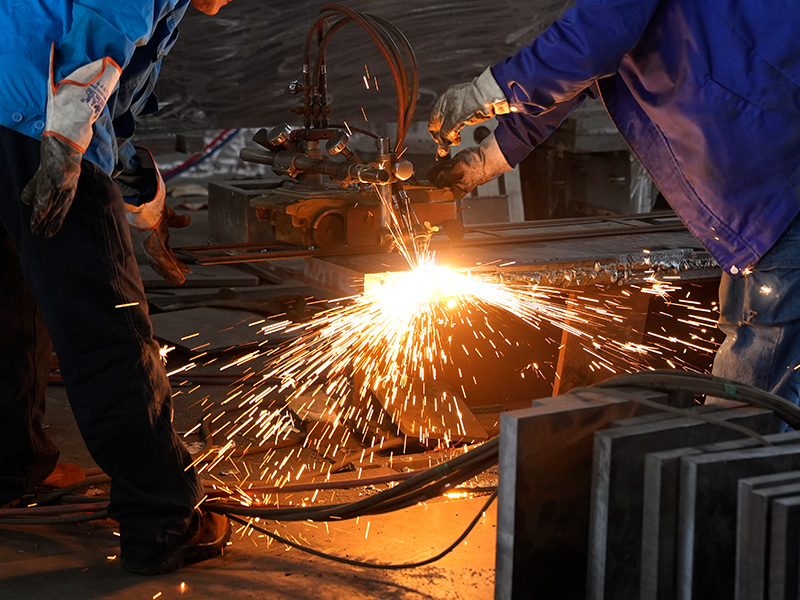
The manufacturing process for high-temperature alloy master alloy rods is considerably more demanding than for conventional structural steels, because even minor compositional deviations or microstructural defects can compromise performance in service.
The predominant process for producing high-temperature alloy master alloy rods is vacuum induction melting (VIM) followed by casting into metal molds. In VIM, raw charge materials — pure elemental metals and pre-alloys — are melted under vacuum (typically below 0.1 Pa) in a refractory-lined induction furnace. The vacuum environment serves several critical functions:
After refining, the molten alloy is poured through a ceramic filter launder into metal molds, where it solidifies into rod or bar form. Ceramic filtration removes residual macro-inclusions from the melt stream before it enters the mold. Mold geometry, cooling rate, and pouring temperature are optimized to minimize centerline shrinkage porosity and control grain structure in the solidified rod. The result is a master alloy rod with a chemically homogeneous, metallurgically clean cross-section suitable for remelting and investment casting of finished components.
For the most demanding aerospace applications, VIM-cast master alloy rods may undergo secondary remelting to further improve cleanliness and homogeneity:
Precise chemical composition is the foundation of high-temperature alloy rod quality. Each alloying element contributes specific properties, and deviations outside specified tolerances can dramatically degrade performance. The K418 nickel-base superalloy master alloy — governed by standards including GB/T 14992, GJB 5512.1, and HB 7763 — illustrates the level of compositional precision required.
| Element | Role in Alloy | Typical Specification Range (wt%) |
|---|---|---|
| Nickel (Ni) | Matrix element; austenitic stability | Balance |
| Chromium (Cr) | Oxidation and hot corrosion resistance | 11.0–13.5 |
| Aluminum (Al) | γ' precipitate former; oxidation resistance | 5.5–6.5 |
| Titanium (Ti) | γ' strengthening; grain boundary control | 0.5–1.0 |
| Molybdenum (Mo) | Solid solution strengthening | 3.5–4.5 |
| Carbon (C) | Carbide formation; grain boundary strengthening | 0.13–0.19 |
| Boron (B) | Grain boundary cohesion | 0.010–0.020 |
| Zirconium (Zr) | Grain boundary strengthening; oxidation resistance | 0.05–0.15 |
Each element must be held within its specified tolerance — in some cases as narrow as ±0.05 wt% — to ensure that the downstream investment-cast component meets its mechanical property requirements. Trace impurities such as sulfur, phosphorus, lead, bismuth, and tellurium are tightly restricted because even parts-per-million levels of these elements cause severe grain boundary embrittlement.
The quality of a high-temperature alloy master alloy rod is ultimately validated by the mechanical performance of investment-cast test bars produced from remelted material. This qualification approach ensures that the as-supplied rod will deliver the required properties in the finished casting — not just in the rod itself.
| Property | Test Condition | Typical Minimum Requirement |
|---|---|---|
| Ultimate Tensile Strength (UTS) | Room temperature | ≥ 900 MPa |
| 0.2% Proof Stress | Room temperature | ≥ 750 MPa |
| Elongation at break | Room temperature | ≥ 5% |
| Stress rupture life | 980°C / 196 MPa | ≥ 30 hours |
| Creep elongation at rupture | 980°C / 196 MPa | ≥ 5% |
The stress rupture requirement — maintaining structural integrity for a minimum of 30 hours at 980°C under 196 MPa applied stress — is a particularly demanding benchmark that illustrates the extreme service conditions these materials are designed to withstand.
High-temperature alloy rods feed into a wide range of high-consequence applications where material failure is not an acceptable outcome.
The dominant application for high-temperature alloy rods is as feedstock for investment casting of gas turbine engine components — turbine blades, vanes, nozzle guide vanes, combustion chamber liners, and transition ducts. Turbine blades in modern aero-engines operate at metal temperatures approaching 1100°C, near the melting point of the alloy itself, relying on active cooling and thermal barrier coatings in addition to the inherent material capability. A single commercial aircraft engine may contain 400–600 individual turbine blades, each cast from master alloy rod feedstock.
Industrial gas turbines for electricity generation and combined heat and power plants use high-temperature alloy castings in their hot sections. While operating temperatures are somewhat lower than aero-engines, the component sizes are dramatically larger — turbine blades and vanes can weigh several kilograms each — requiring correspondingly larger master alloy rod charges and specialized large-capacity VIM furnaces.
Liquid rocket engine turbopumps, combustion chamber walls, and nozzle sections operate under extreme combinations of temperature, pressure, and thermal cycling. Nickel-base and cobalt-base superalloy rods provide the feedstock for these components, where the combination of high-temperature strength and resistance to hydrogen embrittlement is particularly important.
High-temperature alloy rods are used to produce components for petrochemical furnaces, catalytic crackers, and heat treatment equipment operating in corrosive high-temperature environments. Iron-base and nickel-base alloys are commonly specified for radiant tubes, retorts, and burner components operating between 800°C and 1100°C.
Steam generator tubing, reactor internals, and control rod mechanisms in both conventional and advanced nuclear reactor designs use nickel-base superalloys for their combination of high-temperature strength, corrosion resistance in pressurized water environments, and dimensional stability under neutron irradiation.
High-temperature alloy rods are among the most stringently tested metallic materials in industrial production. A comprehensive quality assurance program typically includes:
Full material traceability — linking every rod to its specific melt heat, raw material certificates, process records, and test results — is a mandatory requirement in aerospace supply chains and is increasingly expected in other high-consequence industries.
Choosing the appropriate superalloy rod grade requires balancing several application-specific factors:
| Selection Factor | Considerations | Alloy Family Typically Preferred |
|---|---|---|
| Maximum service temperature | Above 1000°C requires advanced Ni-base grades | Nickel-base |
| Hot corrosion environment | Marine, sulfur-containing combustion gases | Cobalt-base or high-Cr Ni-base |
| Moderate temperature, cost-sensitive | Up to 800°C, non-rotating components | Iron-base |
| Creep-critical rotating components | Turbine blades, discs, vanes | Nickel-base (directionally solidified or single crystal) |
| Weldability required | Repair welding, fabricated assemblies | Iron-base or low-γ' Ni-base |
We will reply to you as soon as possible.
 custom alloys for sale
wholesale different alloys
custom alloys for sale
wholesale different alloys