No. 308, Gongxin Road, Industrial Park, Dongxing Town, Jingjiang City, Jiangsu Province, China
 [email protected]/ [email protected]
 English
 Español
 русский
 中文简体
中文简体 No. 308, Gongxin Road, Industrial Park, Dongxing Town, Jingjiang City, Jiangsu Province, China[email protected]/ [email protected]
Content
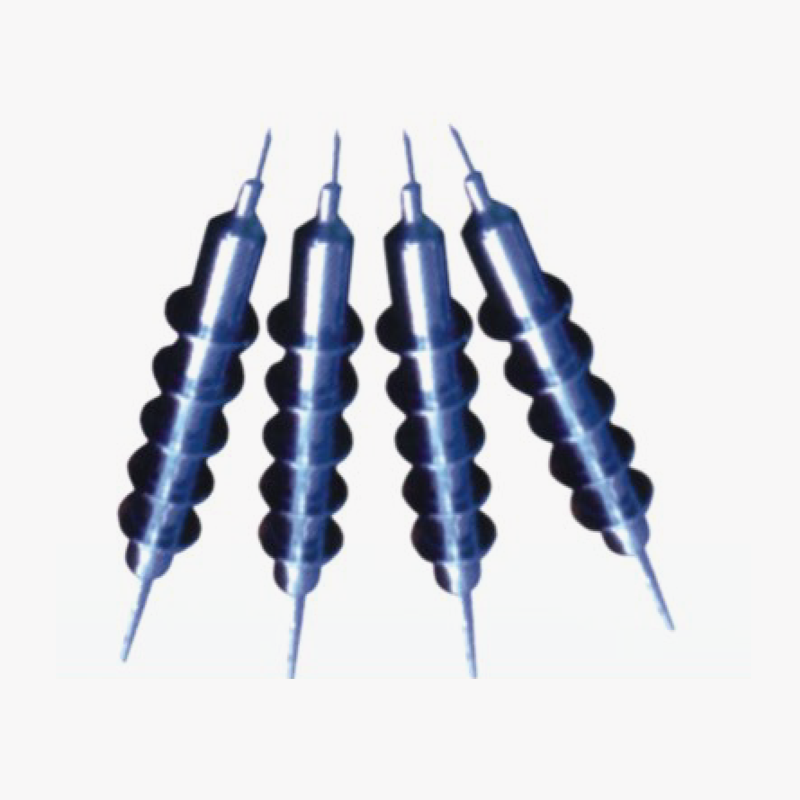
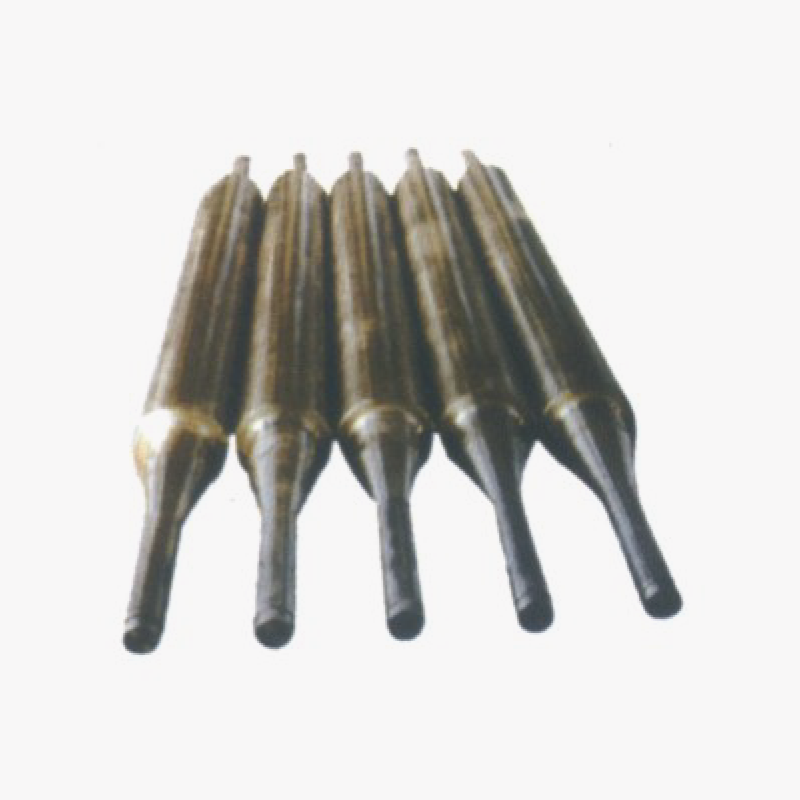
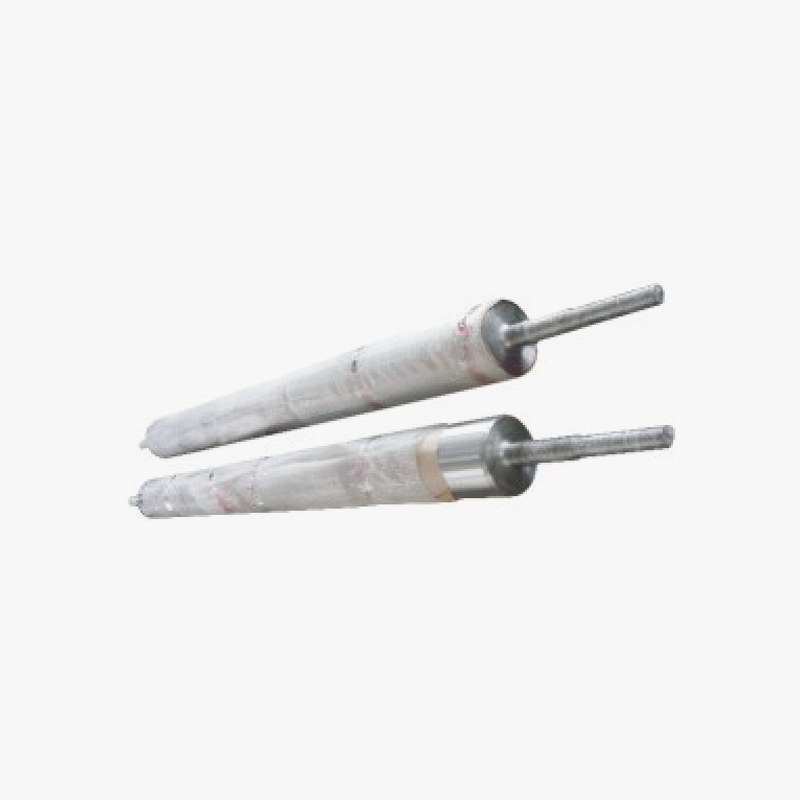
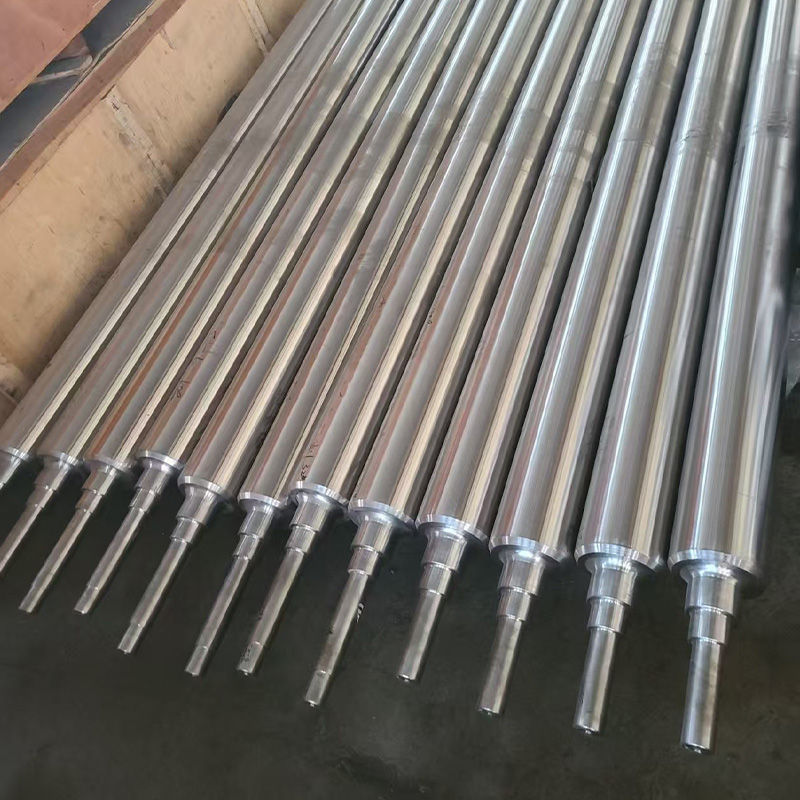
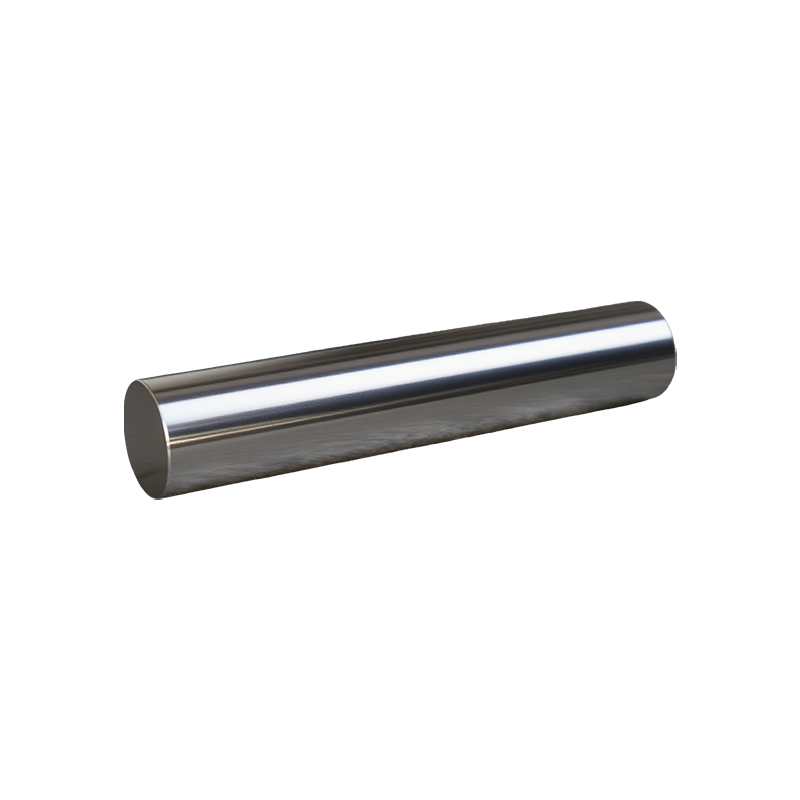
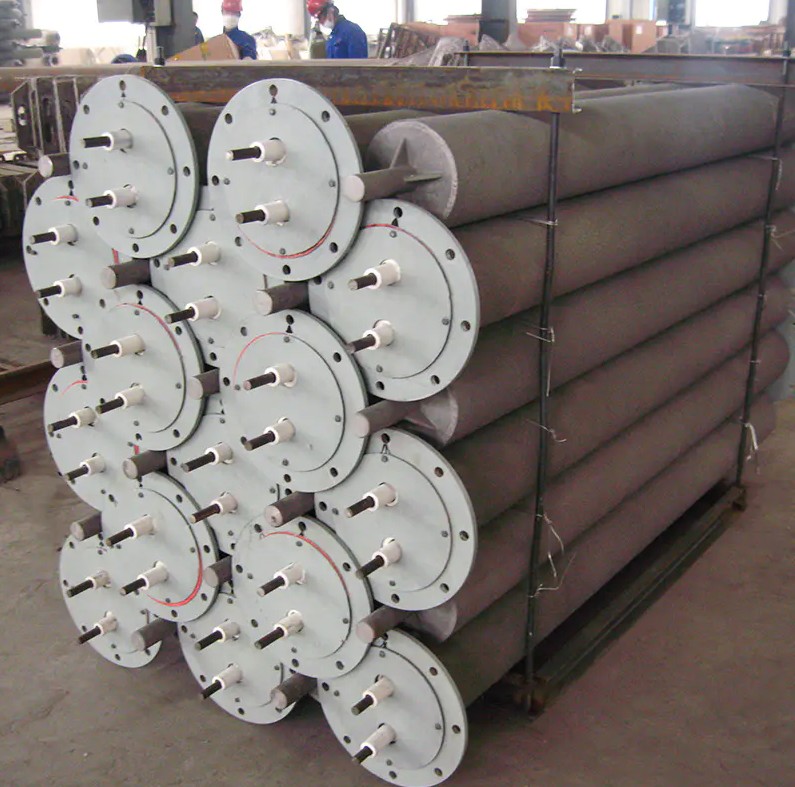
Furnace Rolls are specialized components used in high-temperature industrial processes such as annealing, continuous galvanizing, and steel rolling. These rolls are engineered to withstand extreme heat (often up to 1200°C or higher) while maintaining dimensional stability, wear resistance, and corrosion resistance. They are typically installed inside furnaces to convey steel sheets, handle hot metal, or act as a heating medium.
| Type | Material | Cooling Method | Typical Temperature Range | Common Applications | Key Benefits |
|---|---|---|---|---|---|
| Alloy Steel Rolls | High heat-resistant alloy steel (e.g., ZG40Cr25Ni20Si2, 1Cr18Ni9) | Often water-cooled or air-cooled | Up to 1150°C - 1200°C | Annealing furnaces, continuous galvanizing lines | Excellent wear resistance, high strength at temperature |
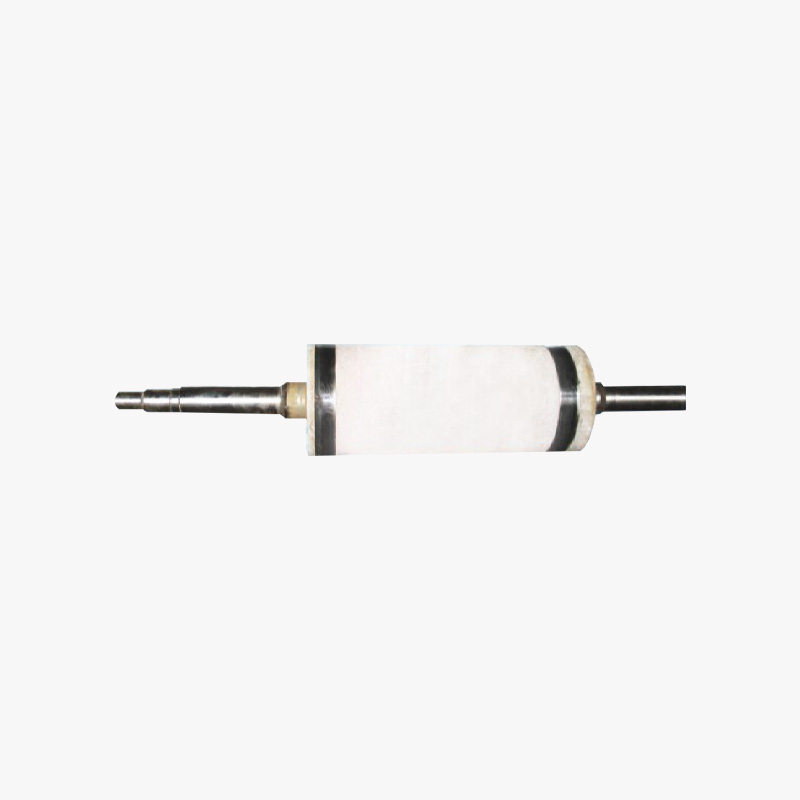
| Ceramic Rolls | Fused silica, alumina, silicon carbide (NSIC/RSIC) | Typically air-cooled (no water) | Up to 1300°C - 1500°C | Glass annealing, tempering, high-purity steel processing | Superior thermal stability, no thermal expansion, no water leakage risk |
| Water-Cooled Rolls | Lower alloyed steel with internal water passages | Internal water circulation | Up to 1180°C (limited by water) | Heavy-duty furnaces where extreme temperatures are not required | Lower cost, effective heat removal |
| Specialty Coated Rolls | Surface treatments (e.g., nitriding, ceramic coating) | Depends on core material | Variable based on core | Specific processes requiring low friction or special atmospheres | Reduced wear, extended service life |
When selecting a furnace roll, buyers typically look for the following specifications:
| Specification | Typical Values/Options | Description |
|---|---|---|
| Diameter (OD) | 56mm - 2000mm (customizable) | Determines the roll’s load-bearing capacity and contact area. Larger diameters provide smoother operation and better heat distribution. |
| Length | 1000mm - 3000mm (customizable) | Affects the contact length with the material being processed. |
| Material Standards | ANSI, ASTM, ASME, DIN, GB | Ensures compatibility with industry regulations and quality expectations. |
| Maximum Working Temperature | 800°C - 1500°C (depending on material) | Critical for matching the furnace’s operating range. Ceramic rolls can handle higher temperatures than steel rolls. |
| Drive System Compatibility | Free-roller, driven-roller, servomotor drive | Determines how the roll integrates with existing conveyor or drive mechanisms. |
| Surface Finish | Polished, ground, coated | Influences the friction coefficient and surface interaction with the material. |
Ensure the roll material can withstand the furnace's peak temperature. For temperatures above 1200°C, ceramic rolls are often the preferred choice.
Decide between water-cooled and air-cooled designs. Water-cooled rolls require additional infrastructure (pumps, seals) but can handle higher heat fluxes. Air-cooled (or uncooled) rolls are simpler but may have lower temperature limits.
Alloy Steel: Best for moderate temperatures with high mechanical loads.
Ceramic: Best for high-purity processes or extreme temperatures where thermal expansion must be minimized.
Many manufacturers offer custom dimensions, material grades, and shaft designs to fit specific furnace layouts.
Consider the ease of installation (e.g., flange vs. welded shaft) and the availability of spare parts. Regular inspection for wear, corrosion, and thermal fatigue is essential for long-term performance.
Annealing Furnaces: Used to uniformly heat steel sheets for stress relief.
Continuous Galvanizing Lines: Convey steel through the zinc coating process.
Glass Processing: Ceramic rolls are used in tempering and annealing ovens for glass products.
Automotive Furnaces: For heat treatment of automotive components.
Proper installation is critical to ensure the longevity and performance of furnace rolls. Below is a step-by-step checklist for installation:
| Step | Procedure | Key Checks |
|---|---|---|
| 1. Pre-Installation Inspection | Verify roll dimensions, material certifications, and surface finish. | Check for any transport damage or surface defects. |
| 2. Alignment Setup | Position the roll on the bearing housing or shaft. Ensure the roll axis is perfectly parallel to the conveyor path. | Use laser alignment tools; misalignment can cause uneven wear. |
| 3. Securing the Roll | Tighten flanges, bolts, or clamping mechanisms to the manufacturer's torque specifications. | Avoid over-tightening to prevent shaft deformation. |
| 4. Cooling System Integration | Connect water inlet/outlet for water-cooled rolls. Ensure proper sealing of water passages. | Check for leaks; water contamination can cause corrosion. |
| 5. Final Verification | Rotate the roll manually to ensure smooth operation. Verify that the roll does not wobble. | Listen for abnormal noises; they may indicate misalignment. |
Regular maintenance helps prevent unexpected downtime. Below is a concise maintenance schedule:
| Frequency | Task | Tools/Methods |
|---|---|---|
| Daily | Inspect for visible wear, cracks, or surface damage. | Visual inspection, portable hardness tester. |
| Weekly | Check water pressure (if water-cooled) and ensure no blockages in cooling channels. | Pressure gauge, flow meter. |
| Monthly | Measure roll runout (eccentricity) using a dial indicator. | Dial indicator, laser alignment system. |
| Quarterly | Re-grind or re-polish the roll surface if wear exceeds 10% of original diameter. | Grinding machine, surface roughness tester. |
| Annually | Full non-destructive testing (NDT) for internal cracks, especially for alloy steel rolls. | Ultrasonic testing (UT), magnetic particle inspection (MPI). |
When placing an order, follow this structured approach:
| Stage | Action Items |
|---|---|
| 1. Requirement Specification | Define furnace temperature, roll dimensions, material (alloy steel vs ceramic), and cooling method. |
| 2. Supplier Evaluation | Check for certifications (ISO 9001, ISO 14001), review case studies, and request material test certificates. |
| 3. Prototype & Testing | If possible, request a small batch for trial installation to verify compatibility. |
| 4. Final Order & Delivery | Confirm lead time (typically 4-8 weeks for custom rolls), shipping method, and after-sales support. |
Key Supplier Criteria:
Material Traceability: Ability to provide mill certificates for alloy composition.
Customization Capability: Willingness to adjust dimensions and material grades.
After-sales Service: Availability of technical support for installation and troubleshooting.
Furnace rolls are not limited to traditional steel annealing. Their high-temperature resilience and customizable designs enable them to serve niche and high-tech industries.
| Industry | Specific Application | Roll Type & Material | Key Benefits |
|---|---|---|---|
| Roll-to-Roll (R2R) Manufacturing | Continuous processing of graphene, flexible solar cells, OLED panels | Precision rolls (U/W type) made from ZG40Cr25Ni20Si2 or 1.4848 | Maintains uniform tension and temperature across ultra-thin films, ensuring consistent material properties |
| Plasma-Enhanced Chemical Vapor Deposition (PECVD) | Deposition of thin films for semiconductor or solar cells | Straight-type rolls, often water-cooled for temperature stability | Provides stable support in high vacuum and high-temperature plasma environments |
| Vacuum Heat Treatment | High-purity annealing of aerospace alloys | Vacuum-compatible rolls, often with specialized surface finishes | Minimizes contamination and outgassing in vacuum chambers |
| Glass Tempering | Supporting glass sheets during rapid heating and cooling cycles | Large-diameter, high-strength rolls | Handles heavy glass loads while resisting thermal shock |
| Refractory Manufacturing | Supporting molds and crucibles in high-temperature kilns | High-alloy or water-cooled rolls | Resists corrosive slag and high-temperature oxidation |
Identifying and addressing common issues early can prevent costly downtime.
| Symptom | Potential Cause | Diagnostic Steps | Corrective Action |
|---|---|---|---|
| Uneven surface finish on processed material | Roll surface wear, misalignment, or contamination | 1. Visually inspect roll surface for scoring or buildup. 2. Use a dial indicator to check roll straightness. 3. Measure temperature uniformity across roll width |
Clean the roll surface, re-align the roll axis, or replace if wear exceeds tolerance |
| Rapid roll temperature rise | Insufficient cooling (water flow), blocked coolant passages | 1. Check coolant flow rate and temperature. 2. Inspect for blockages in internal channels (if water-cooled) |
Increase coolant flow, flush the cooling system, or repair damaged channels |
| Roll deformation or warping | Prolonged exposure to temperatures beyond material rating, thermal shock | 1. Verify furnace temperature against roll material specifications. 2. Check for sudden temperature spikes |
Ensure temperature does not exceed material limits (e.g., 1150°C for ZG40Cr25Ni20Si2) |
| Excessive vibration | Unbalanced roll, worn bearings, or misaligned drive system | 1. Measure roll balance using a balancing machine. 2. Inspect bearings for wear or lubrication issues |
Rebalance the roll, replace bearings, or realign drive components |
| Corrosion or scaling | Incompatible atmosphere (e.g., sulfurous gases), insufficient alloy content | 1. Perform a chemical analysis of the roll surface. 2. Review furnace atmosphere composition |
Switch to a more resistant alloy (e.g., higher Cr or Si content) or adjust furnace atmosphere (e.g., increase nitrogen purity) |
Modern manufacturing emphasizes sustainability and safety.
--Material Recyclability: High-alloy furnace rolls are often recyclable at the end of life. However, due to potential contamination, they may require specialized recycling processes.
--Energy Efficiency: Selecting rolls with optimal thermal conductivity can improve furnace heat distribution, reducing overall energy consumption.
--Safety Standards: Ensure compliance with relevant safety standards (e.g., OSHA for mechanical safety, IEC for temperature monitoring) when integrating rolls into new furnace designs.
Below are brief examples of how furnace rolls are utilized across different industries:
| Industry | Application | Roll Type Used | Outcome |
|---|---|---|---|
| Automotive Steel Production | Continuous annealing line for sheet metal | High-alloy steel roll (e.g., ZG40Cr25Ni20Si2) | Achieved uniform grain structure, reduced surface defects |
| Glass Manufacturing | Tempering furnace for flat glass | Ceramic roll (fused silica) | Withstood 1400°C temperatures, eliminated thermal expansion issues |
| Petrochemical | Heat treatment of alloy pipes | Water-cooled roll with internal cooling channels | Efficient heat removal, extended roll life under cyclic heating |
| Aerospace | Heat treatment of high-strength alloy components | Cobalt-base alloy roll (e.g., HK series) | Maintained dimensional stability at 1200°C, critical for precision parts |
Modern furnace rolls often incorporate specialized coatings to improve wear resistance, thermal insulation, and chemical stability. These technologies are at the forefront of materials science.
--Nanostructured Oxide Layers: Advanced ceramic or oxide coatings (e.g., Al₂O₃, Si₃N₄) are applied to create a hard, wear-resistant surface that can operate at temperatures exceeding 1200°C. These coatings also act as a barrier against oxidation and corrosion, especially in aggressive furnace atmospheres.
--Low-Friction Coatings: In roll-to-roll systems where the roll contacts delicate films (e.g., graphene or solar cells), low-friction coatings reduce the risk of micro-scratches and improve material handling efficiency.
--Thermal Barrier Coatings (TBCs): Applied to the outer surface of the roll, TBCs reduce heat loss, improve energy efficiency, and protect the underlying alloy from thermal shock.
| Roll Material | Recommended Coating | Benefits |
|---|---|---|
| ZG40Cr25Ni20Si2 | Silicon Carbide (SiC) | Enhances oxidation resistance at temperatures >1150°C. |
| ZG45Ni48Cr28W5Si2 | Tungsten Carbide (WC) | Provides superior wear resistance for high-stress applications. |
| Standard Steel (Water-Cooled) | Anti-Corrosion Paint | Extends life in less aggressive environments while maintaining heat transfer efficiency. |
Furnace rolls are integral components across various high-tech and heavy industries. Their design and implementation vary significantly based on application.
In R2R processes, furnace rolls must handle delicate substrates such as flexible electronics, solar cells, or graphene sheets. The key requirements include:
--High Dimensional Precision: Ensuring uniform tension across the substrate to prevent wrinkles or tears.
--Clean Surface: Maintaining a contaminant-free roll surface to avoid defects in thin-film deposition or coating processes.
--Advanced Coatings: Utilizing low-friction, wear-resistant coatings to protect both the roll and the substrate.
For steel processing, furnace rolls must withstand continuous operation under high loads and temperatures:
--Robust Construction: Typically made from high-alloy steels (e.g., ZG45Ni48Cr28W5Si2) to resist deformation and oxidation.
--Heavy-Duty Dimensions: Rolls can range from Φ60mm to Φ1600mm, depending on the width of the steel strip.
--Coating Compatibility: Rolls are often integrated into coating furnace rollers (CGL/CAL) for high-end automotive and appliance plates, requiring precise temperature control and surface finish.
Ensuring the integrity of furnace rolls before installation is critical to prevent costly downtime. The following inspection protocols are standard in the industry:
--Straightness & Runout: Use laser alignment tools to measure runout. Acceptable tolerance is typically ≤0.5 mm per meter for high-precision lines.
--Concentricity: Verify that the roll's outer diameter is concentric with the shaft axis. Misalignment can cause uneven heating and premature wear.
--Eddy Current Testing: Detect surface cracks and sub-surface flaws, especially important for high-alloy rolls like ZG40Cr25Ni20Si2.
--Magnetic Particle Inspection (MPI): Used for detecting surface and near-surface discontinuities in ferromagnetic materials.
--Liquid Penetrant Inspection (LPI): Effective for identifying surface-breaking defects, particularly in the roll's bell ends.
--Chemical Analysis: Spectrometer analysis ensures the alloy composition meets specifications (e.g., Cr ≥ 25% for ZG40Cr25Ni20Si2).
--Mechanical Testing: Tensile strength, yield strength, and elongation tests verify that the roll can withstand operational loads (e.g., tensile strength ≥ 588 MPa for ZG40Cr25Ni20Si2).
Ensuring safe operation and regulatory compliance is paramount.
--Mechanical Safety: Implement lockout/tagout (LOTO) procedures during roll changes. Ensure all rotating parts are guarded.
--Thermal Safety: Use thermal shielding and proper PPE when working near high-temperature rolls.
--Regulatory Standards: Comply with relevant standards (e.g., ISO 9001 for quality, ISO 14001 for environmental management) and local safety regulations.
Q: Can furnace rolls be repaired or refurbished?
A: Yes, many suppliers offer refurbishment services where worn rolls are re-machined or re-coated to restore dimensional accuracy and surface finish.
Q: What is the difference between a water-cooled roll and a high-alloy roll?
A: Water-cooled rolls use internal water channels to dissipate heat, allowing the use of lower-cost alloys but requiring a complex cooling system. High-alloy rolls rely on the material's intrinsic heat resistance, simplifying furnace design but often at a higher material cost.
Q: Are there standard sizes for furnace rolls?
A: While there are standard dimensions (e.g., Φ60mm, Φ200mm, Φ500mm), most manufacturers can produce custom sizes to fit specific furnace configurations.
Q: How do I ensure the roll fits my existing furnace?
A: Provide the supplier with detailed specifications, including shaft dimensions, end cap design, and the exact roll length and diameter required for your furnace model.
The furnace roll industry is evolving with innovations in additive manufacturing (AM), smart coatings, and real-time monitoring.
Complex Internal Cooling: Traditional casting limits cooling channel geometry to simple shapes. Additive manufacturing (e.g., Selective Laser Sintering of ceramics) enables multi-wall, lattice-like cooling channels that significantly enhance heat dissipation.
Materials: Emerging use of preceramic polymers (e.g., polysiloxanes) that convert to SiOC or SiCN ceramics after sintering, offering high-temperature stability and tailored thermal conductivity.
Benefits: Improved cooling efficiency, weight reduction, and the ability to integrate sensor cavities for embedded temperature monitoring.
Self-Healing Ceramics: Development of coatings that can autonomously repair micro-cracks at high temperatures, extending roll life in oxidative environments.
Low-Friction Nanocoatings: Application of nanostructured TiAlN or DLC (Diamond-Like Carbon) coatings to reduce wear in roll-to-roll processes involving delicate substrates like flexible electronics.
Thermal Barrier Coatings (TBCs): Advanced YSZ (Yttria-Stabilized Zirconia) based TBCs applied to the outer surface to reduce heat loss and protect the underlying alloy from thermal shock.
We will reply to you as soon as possible.
 custom alloys for sale
wholesale different alloys
custom alloys for sale
wholesale different alloys