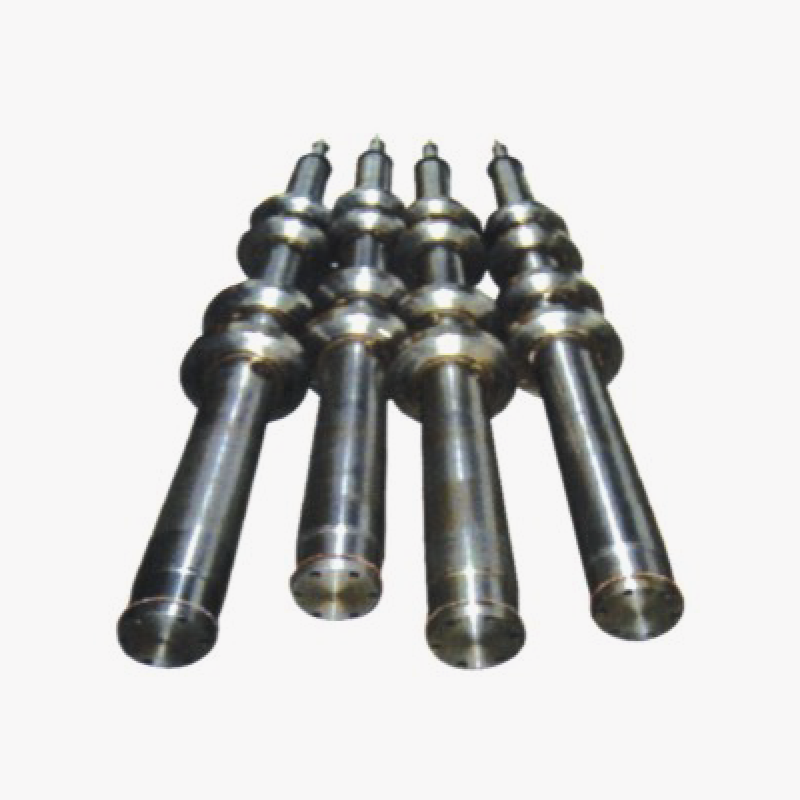
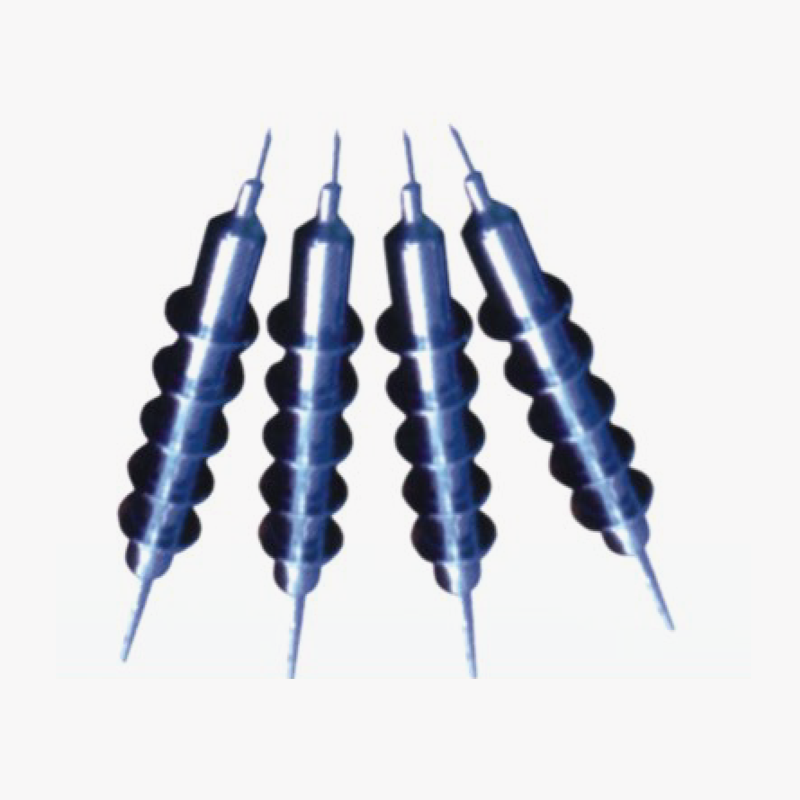
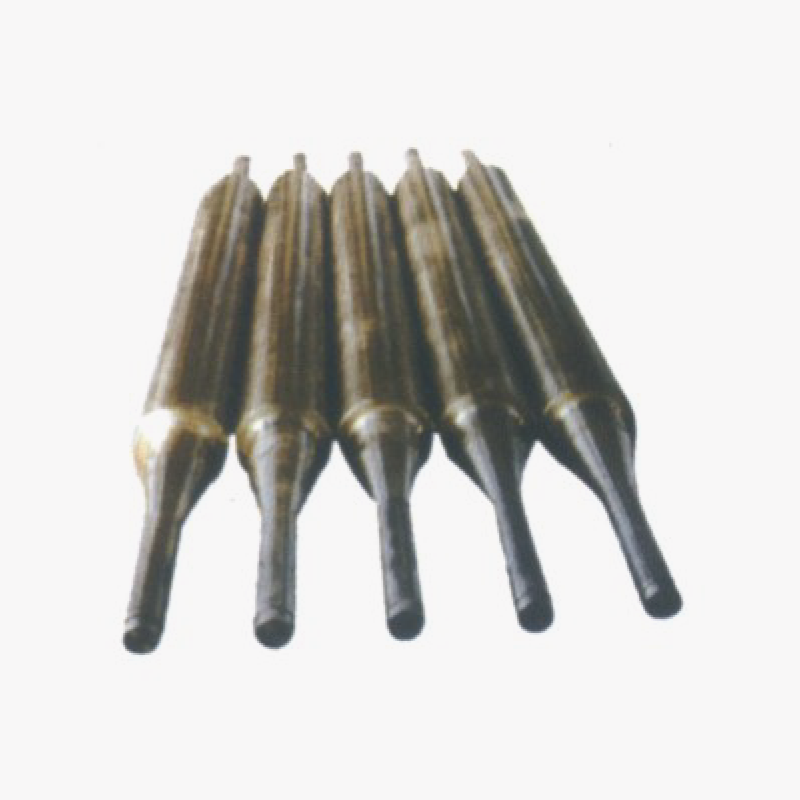
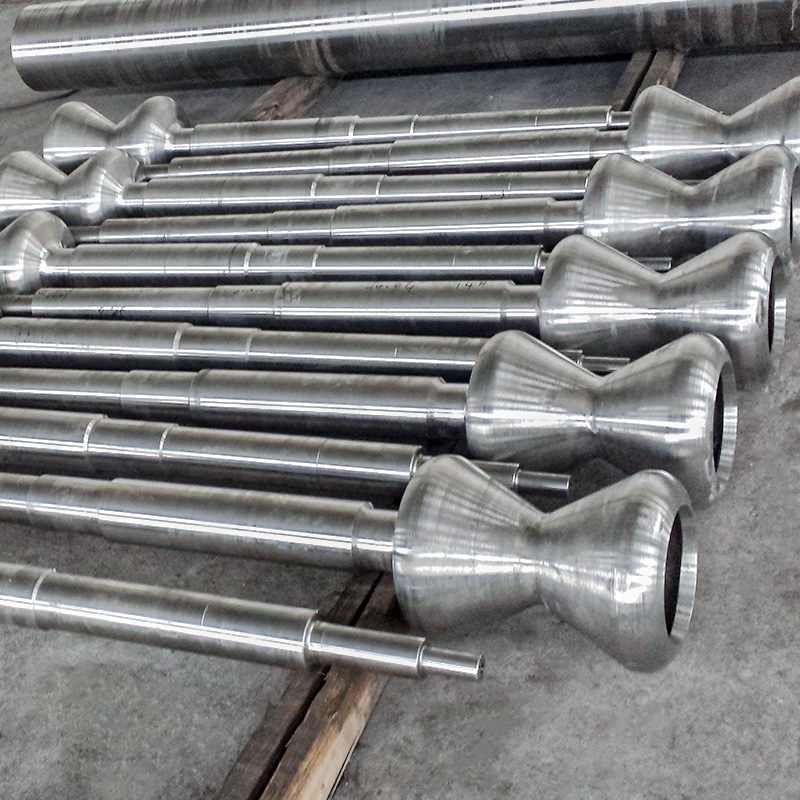
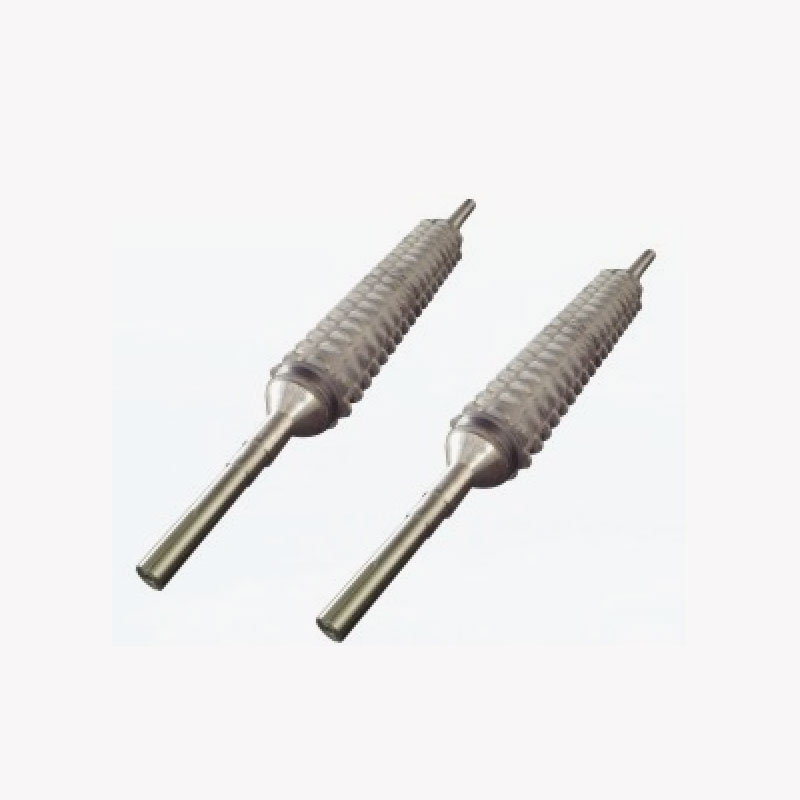
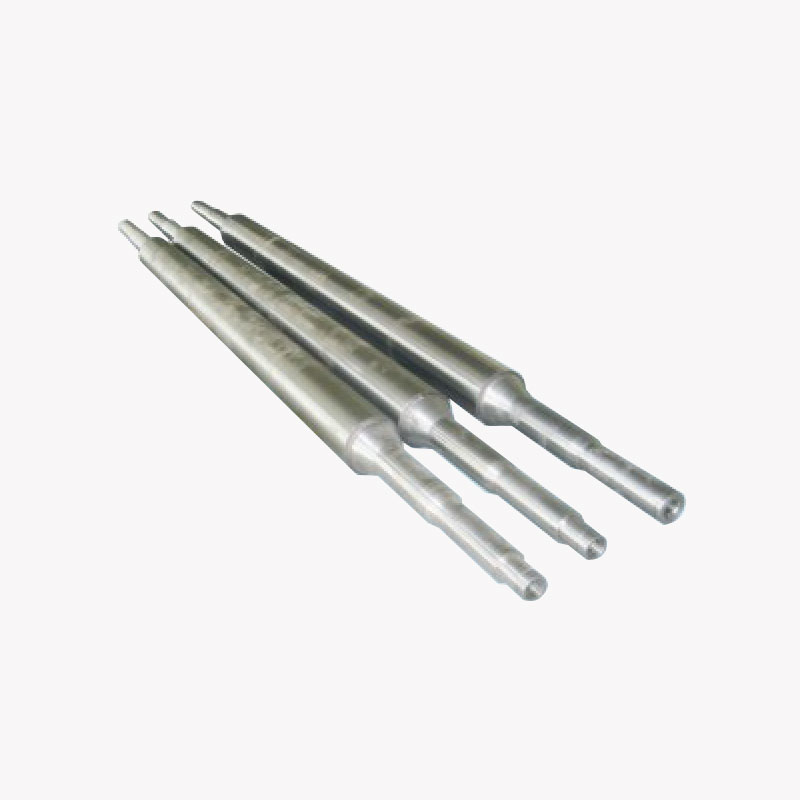
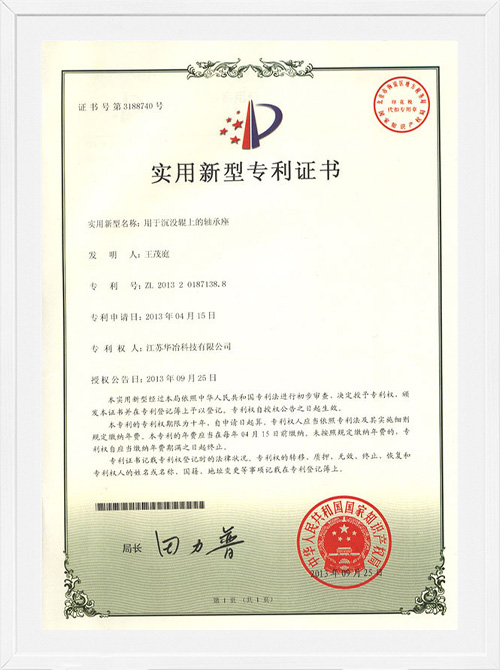
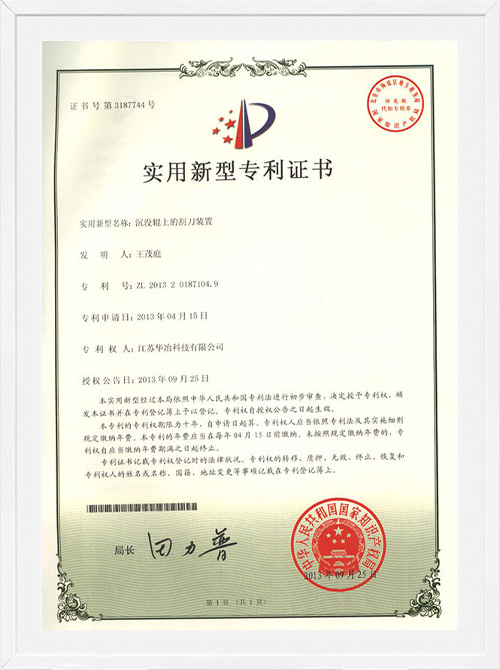
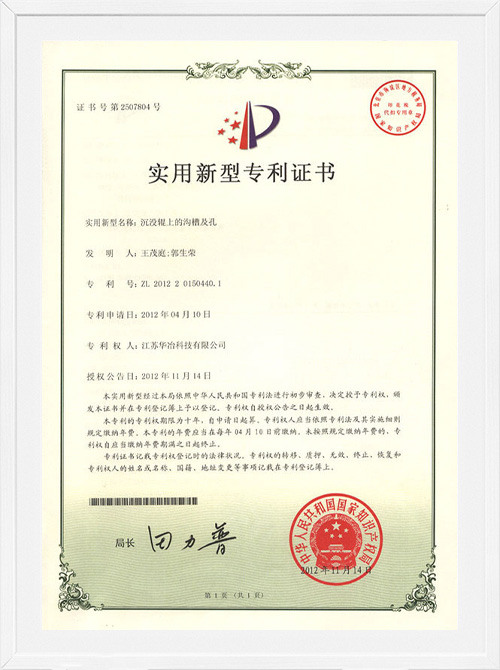
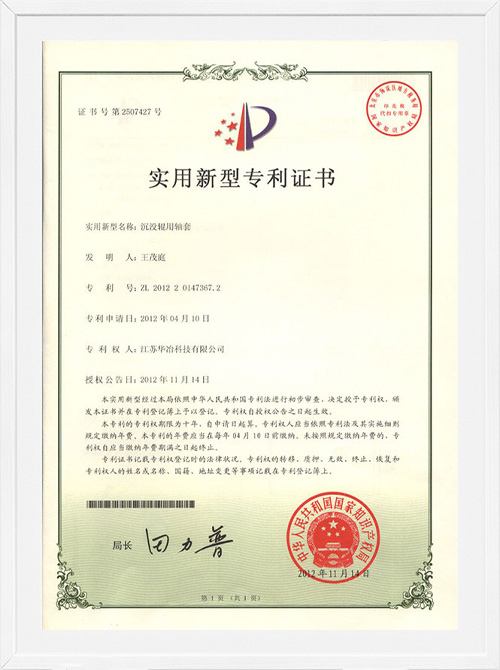
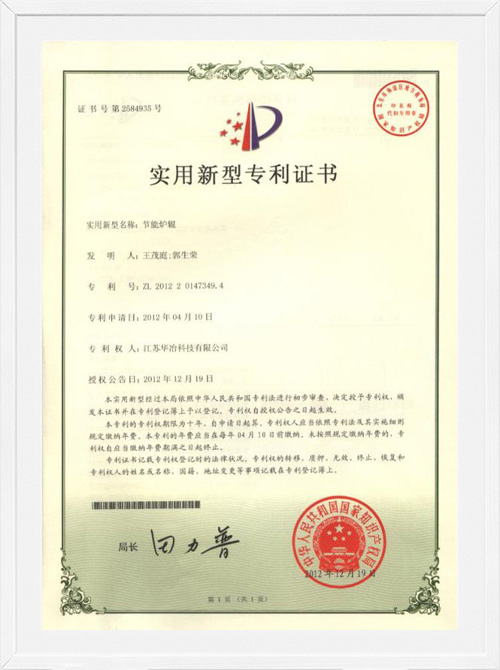
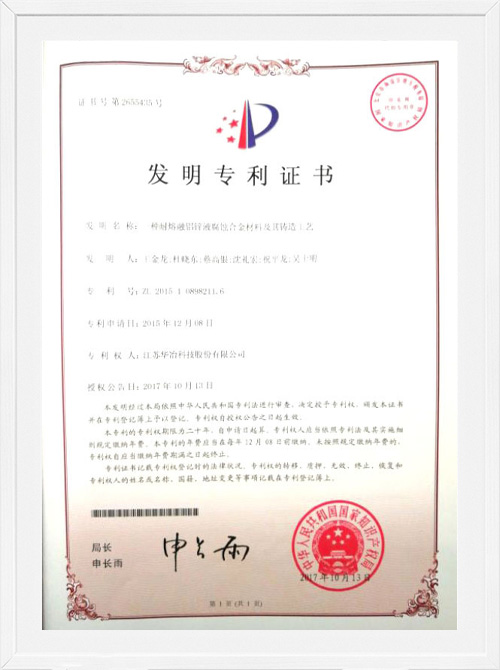
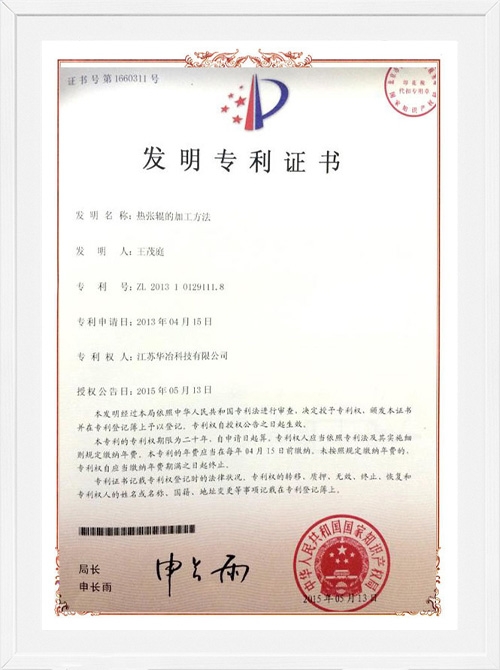
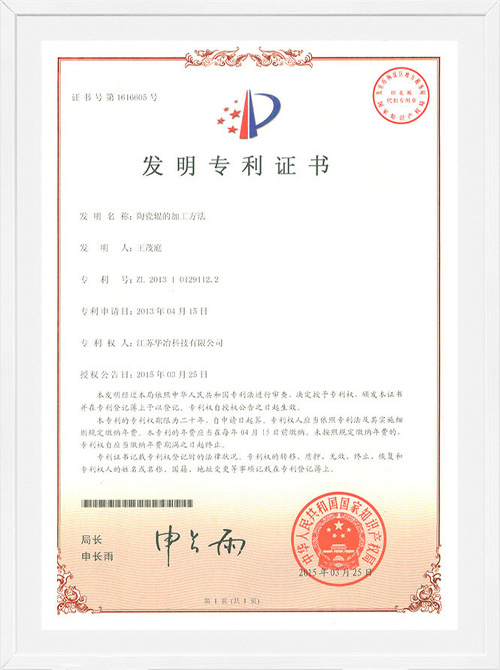
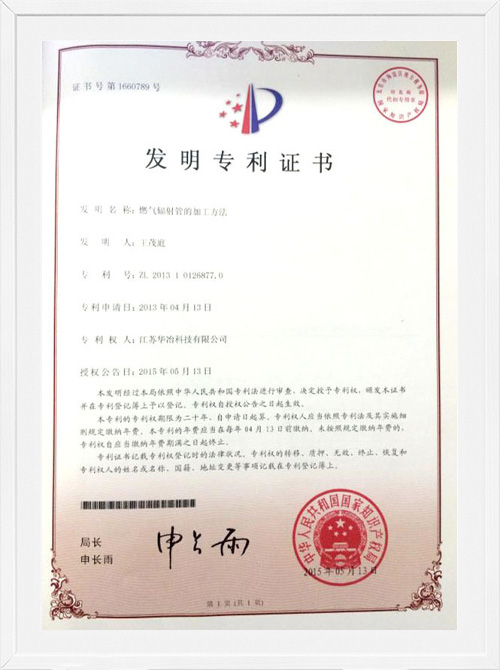
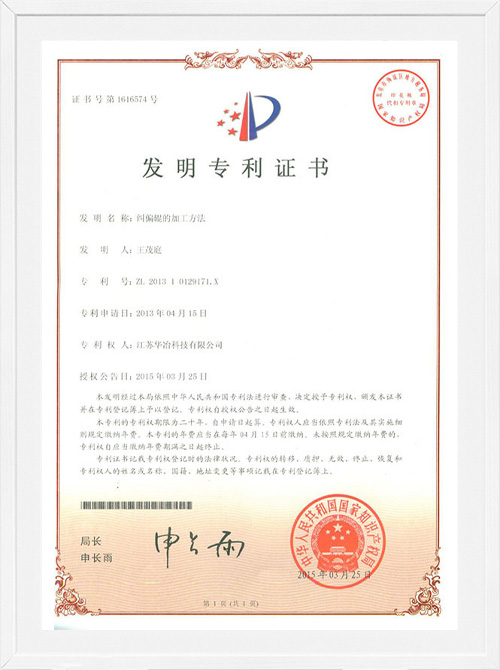
In the modern metallurgical, petrochemical, and heat treatment industries, the efficient operation of high-temperature heat treatment furnaces relies heavily on precision material-handling components. As critical components responsible for directly supporting and conveying materials within high-temperature environments, the design and manufacturing processes of furnace rollers directly determine the stability of the production line and the surface quality of the final product. Leveraging its extensive research and development background and numerous authorized patents, Jiangsu Huaye Technology Co., Ltd. has established a significant technological advantage within this specialized sector.
I. Structural Design and Functional Logic of Furnace Rollers
A furnace roller is not merely a simple rotating cylinder; its design requires the integration of multiple disciplines, including mechanical transmission, thermal expansion dynamics, and fluid mechanics.
Thermal Compensation Structural Design:
At temperatures reaching thousands of degrees Celsius, the roller shaft undergoes significant thermal expansion. Professional designs typically incorporate asymmetrical arrangements or floating-end bearing housings to accommodate this axial elongation, thereby preventing roller body deformation (bending) or fracture caused by thermal stress.
Roller Surface Profile Control:
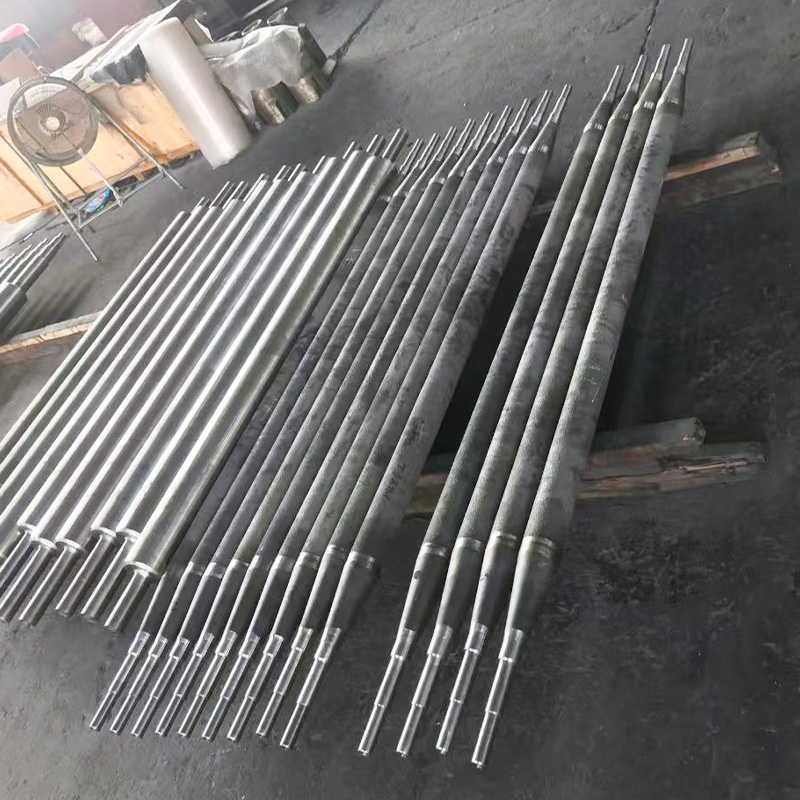
Depending on the type of material being conveyed (e.g., thin sheets, tubular products, or irregularly shaped parts), the roller surface can be designed as flat, crowned (cambered), or featuring specific anti-slip textures. Through precise mechanical simulations, Jiangsu Huaye Technology ensures that the material's centerline deviation remains within permissible limits throughout the high-speed conveying process.
Cooling Circulation System:
For ultra-high-temperature operating conditions, furnace rollers are typically equipped with intricate internal cooling channels. By precisely controlling the flow rate and temperature differential of the circulating water, the system simultaneously preserves the mechanical strength of the roller shaft while preventing thermal stress cracks caused by excessive localized cooling.
II. Selection and Application of High-Temperature Alloy Materials
Furnace rollers are continuously exposed to oxidizing or reducing atmospheres; consequently, the material's resistance to creep and oxidation are the decisive factors determining its service life.
Centrifugal Casting Technology:
The roller bodies of high-quality furnace rollers are predominantly manufactured using the centrifugal casting process. This technique significantly enhances the density of the metal microstructure, eliminates internal porosity and shrinkage defects, and ensures a more uniform distribution of the alloy's chemical composition.
Anti-Scaling Coating Technology:
In applications such as annealing furnaces, iron oxide scale on the surface of the processed material is highly prone to adhering to the roller surface—forming "scale buildup"—which subsequently scratches the product surface. Through its patent-related R&D efforts, Jiangsu Huaye Technology has focused specifically on optimizing the roller surface coating process; by utilizing ceramic-based or cermet composite coatings, the company has significantly reduced the thermal adhesion force between the roller surface and the material.
Application of Nickel-Chromium-Based Alloys:
Depending on the specific operating temperature conditions, alloys containing varying proportions of nickel (Ni) and chromium (Cr) are typically selected. A high nickel content provides superior resistance to carburization, while a high chromium content facilitates the formation of a dense, protective oxide film on the roller surface, thereby resisting high-temperature oxidative corrosion.
III. Comparative Reference of Key Performance Indicators
To provide a more intuitive understanding of the technical requirements for furnace hearth rollers across various application environments, the table below outlines the core dimensions for consideration:
| Performance Dimension |
Key Technical Points |
Industrial Impact |
| Creep Resistance |
The ability to resist plastic deformation under long-term high-temperature loads. |
Determines whether the roller shaft will undergo permanent bending or sagging. |
| Oxidation Resistance |
The ability to form a protective oxide film in high-temperature atmospheres. |
Directly correlates to the depletion rate of the roller body's effective wall thickness. |
| Thermal Fatigue Resistance |
Resistance to periodic thermal stress caused by frequent heating and cooling cycles. |
Prevents the occurrence of "checking," heat cracks, or spalling on the roller surface. |
| Dynamic Balance Precision |
Control of radial runout (T.I.R.) during high-speed rotation. |
Affects material conveyance stability and the operational lifespan of bearings. |
| Coating Adhesion Strength |
Chemical and mechanical bonding between functional coatings and the base metal. |
Prevents coating delamination or peeling under extreme temperature gradients. |
IV. FAQ: Common Technical Issues Regarding Hearth Rolls
Q1: How can the service life of hearth rolls in a continuous annealing line be effectively extended?
A: Extending service life relies on the synergy of three key dimensions: First, the proper selection of materials during the initial design phase—specifically, choosing corrosion-resistant alloys based on the furnace atmosphere (e.g., hydrogen protection or vacuum environments). Second, precise installation and alignment to minimize damage caused by excessive torque. Third, regular maintenance of the roll surface to promptly remove any accumulated deposits and prevent the formation of localized hot spots.
Q2: What are the primary causes of "bending deformation" in hearth rolls?
A: The main causes include thermal shock resulting from severe fluctuations in furnace temperature; a failure to perform effective "turning" operations while the furnace is shut down (leading to gravity-induced creep caused by uneven heating); and localized overheating triggered by malfunctions in the cooling water system.
Q3: What are the advantages of centrifugally cast roll bodies compared to those produced via standard sand casting?
A: During centrifugal casting, rotational forces expel gases and impurities, resulting in a finer-grained, radially oriented crystalline structure. This structure endows the roll body with superior fracture toughness and fatigue strength when subjected to high temperatures and mechanical stress.
Q4: Why is Jiangsu Huaye Technology's patented technology critical to the manufacturing of hearth rolls?
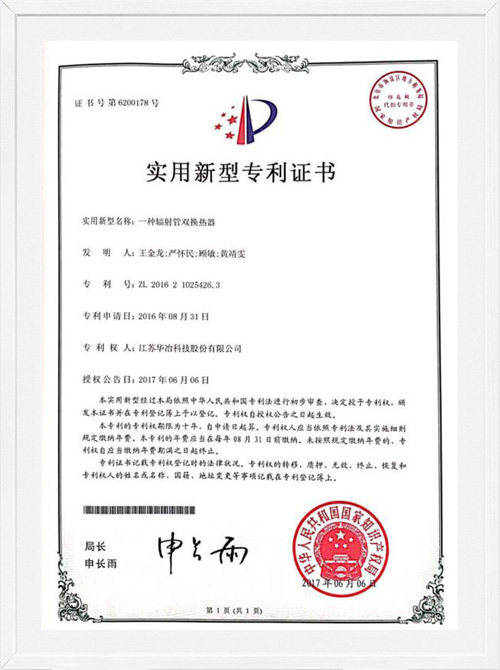
A: The true benchmark of industrial manufacturing lies in the mastery of details. Jiangsu Huaye Technology holds 27 authorized patents (including 14 invention patents) that cover critical stages ranging from material composition optimization to precision manufacturing processes. This accumulated technological expertise enables the resolution of complex thermal equilibrium challenges at high temperatures, thereby enhancing the reliability of components operating under extreme conditions.
Q5: How can the spalling (peeling) of roll surface coatings be prevented?
A: Preventing coating spalling requires a multi-faceted approach focusing on three key areas: surface pretreatment of the substrate, precise control of spraying parameters (such as voltage and gas flow rates in plasma spraying), and ensuring a proper match between the thermal expansion coefficients of the coating and the substrate. Advanced manufacturing processes often incorporate an intermediate transition layer between the two to effectively buffer thermal stresses.
V. Summary and Outlook
As the "main artery" of heat treatment equipment, the technological evolution of hearth rolls directly reflects the manufacturing sector's ongoing advancement toward high-end, intelligent production capabilities. Through continuous investment in research and development, Jiangsu Huaye Technology Co., Ltd. has not only achieved highly reliable production of furnace bottom rollers but has also accumulated a wealth of intellectual property in the fields of material modification and surface engineering. In future industrial applications, composite furnace bottom rollers—featuring self-diagnostic capabilities and higher temperature resistance limits—will serve as a pivotal element in enhancing industrial thermal efficiency.
 No. 308, Gongxin Road, Industrial Park, Dongxing Town, Jingjiang City, Jiangsu Province, China
 English
 Español
 русский
 中文简体
中文简体