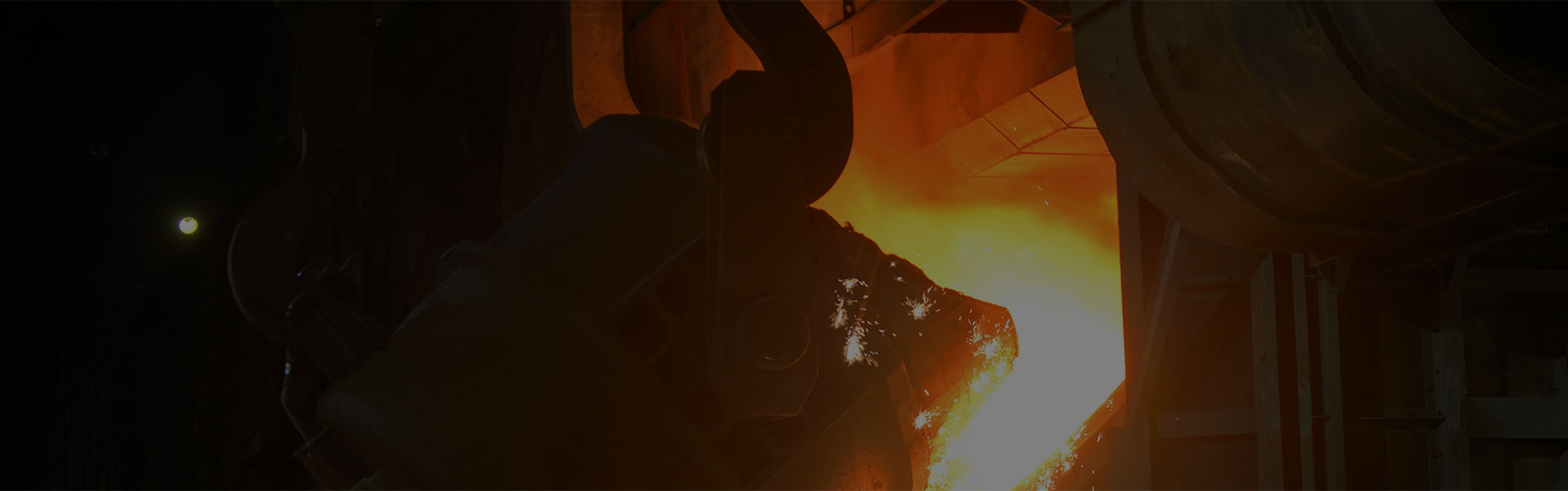
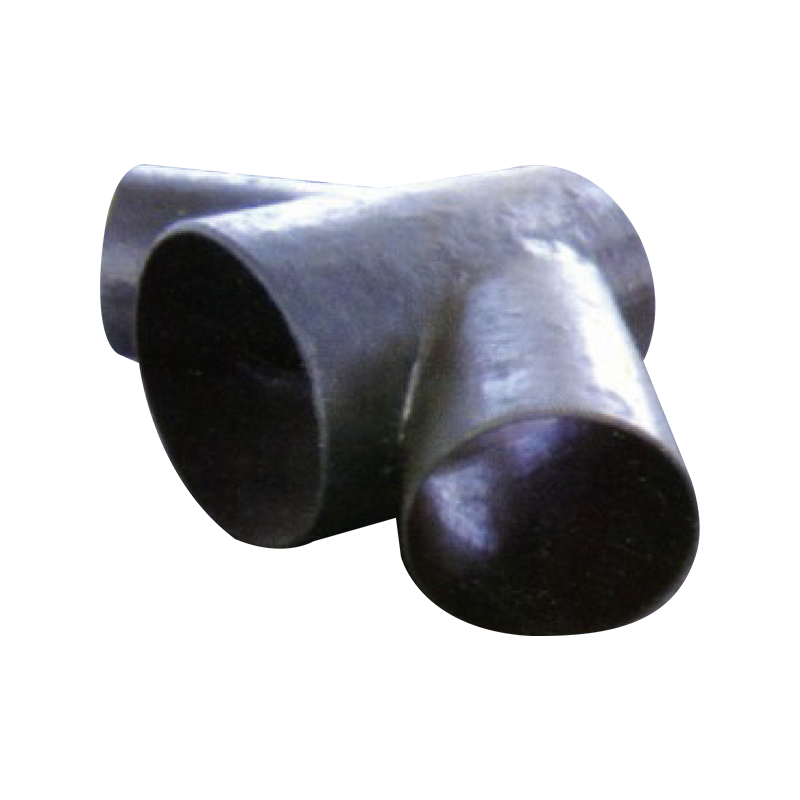
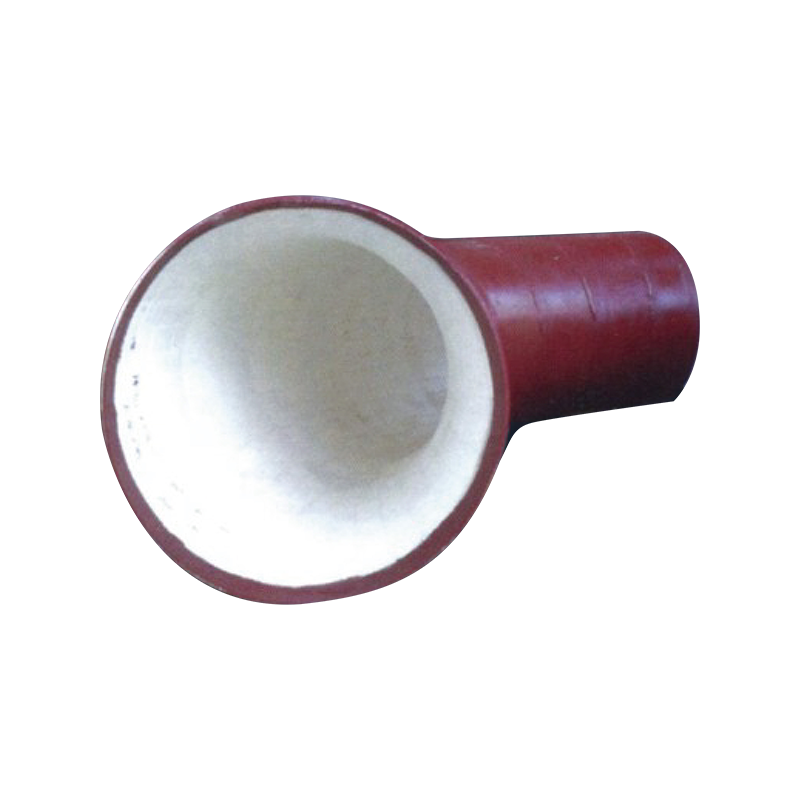
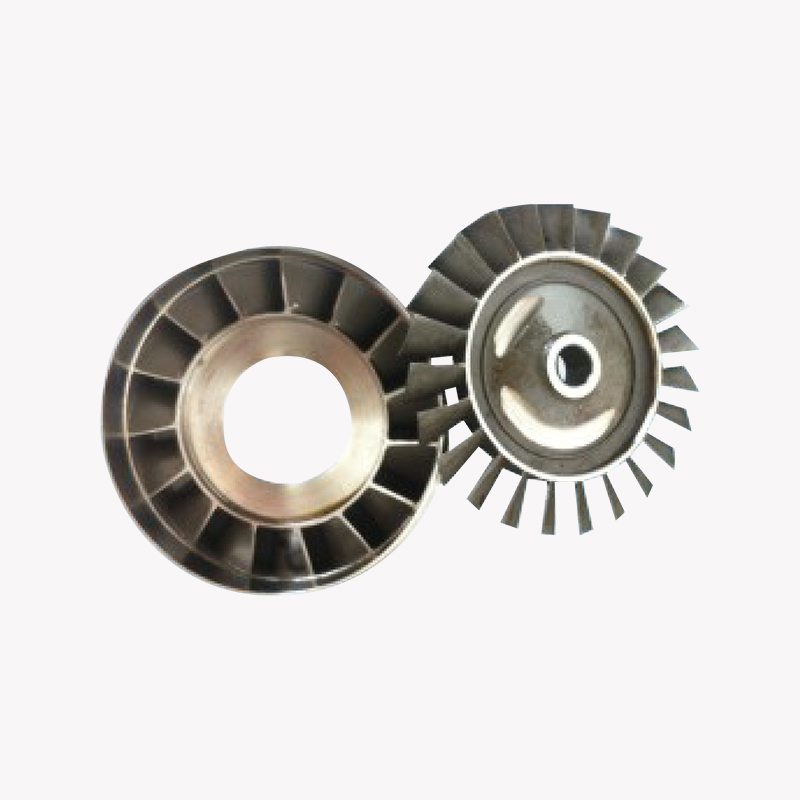
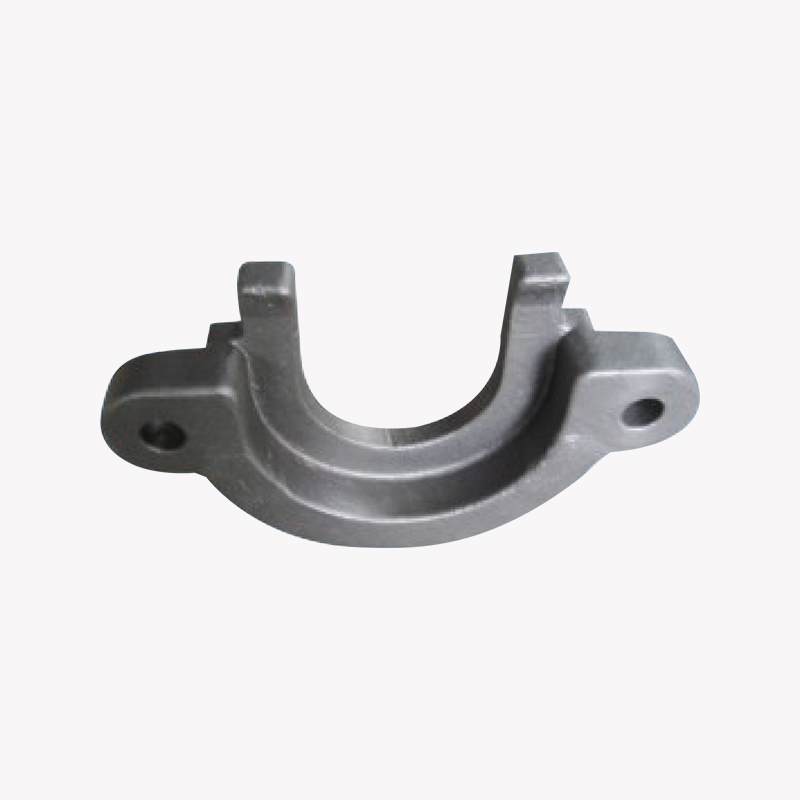
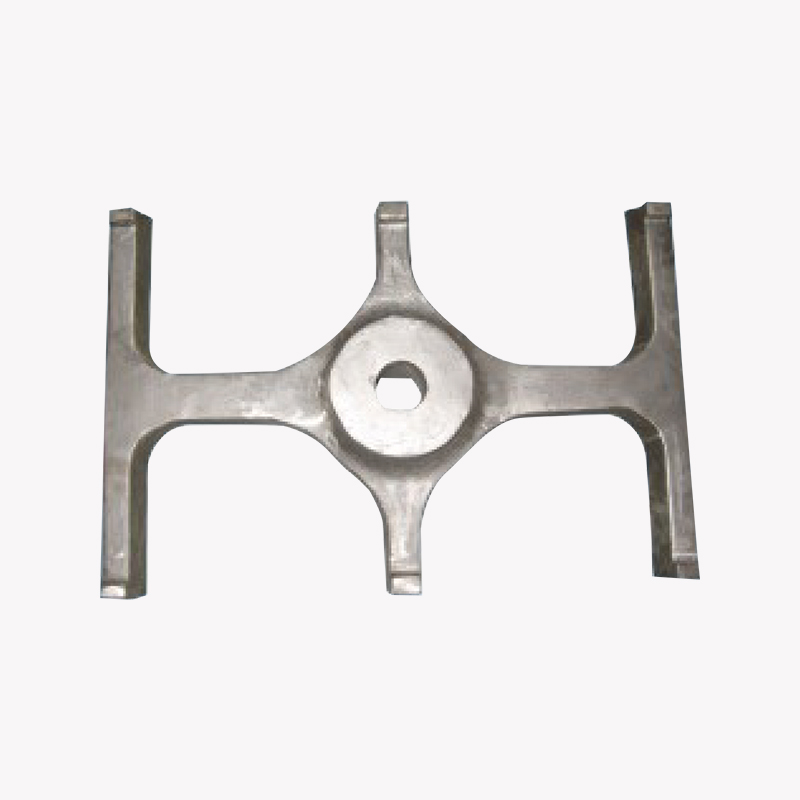
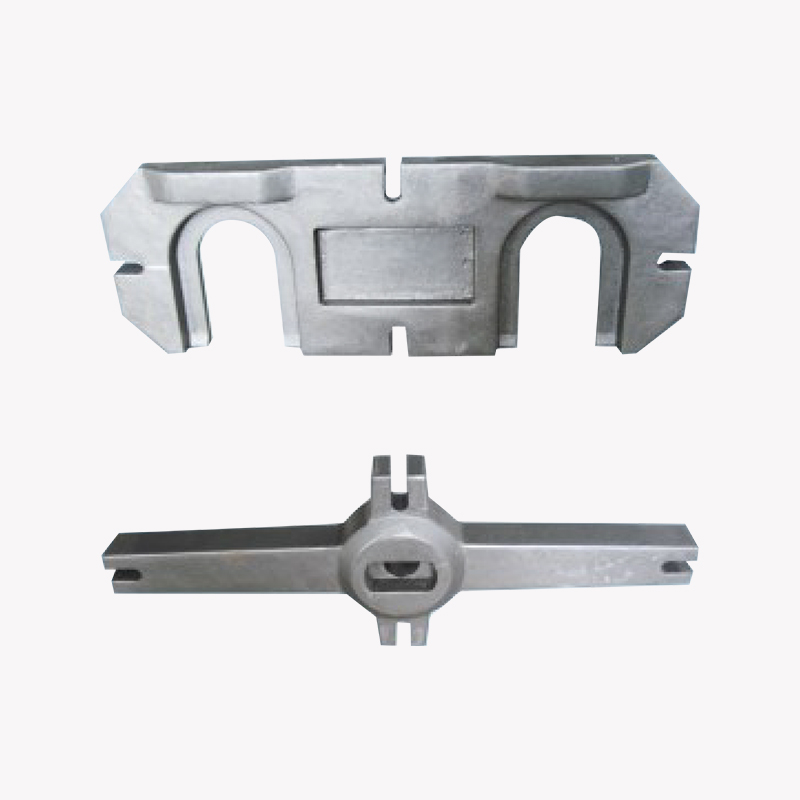
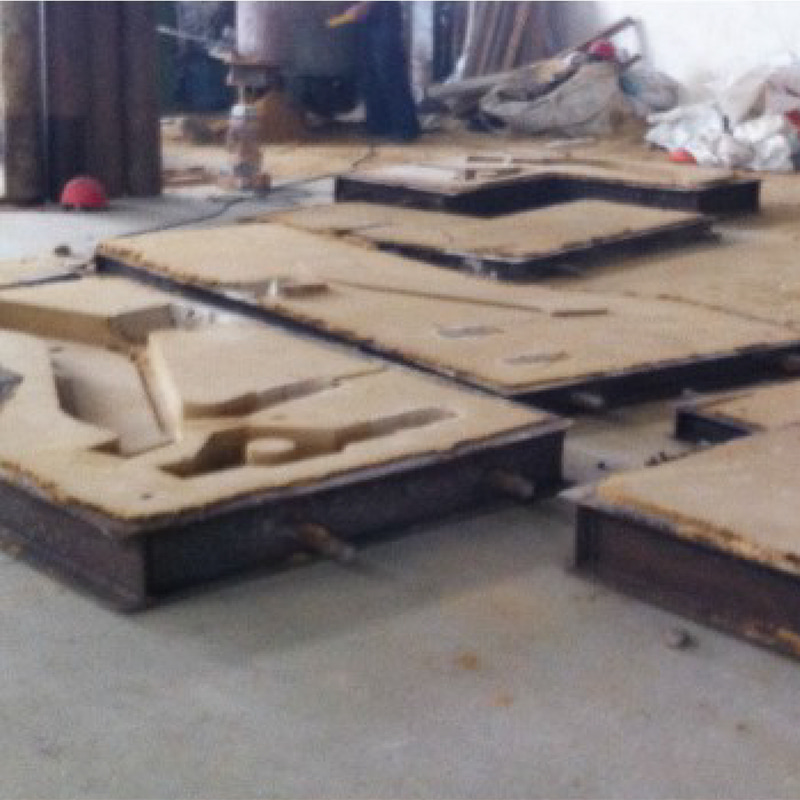
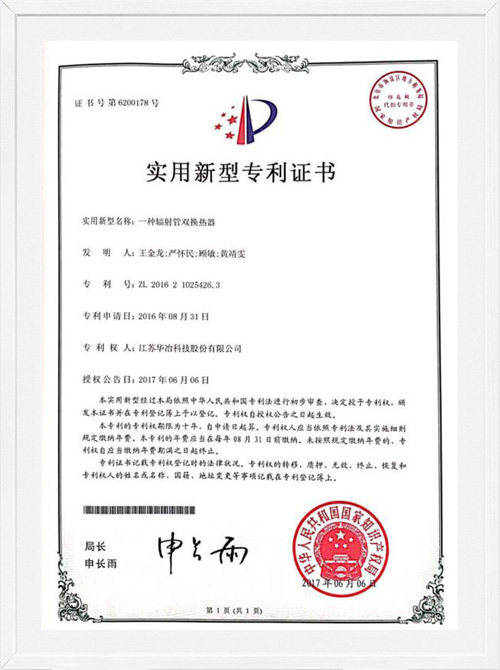
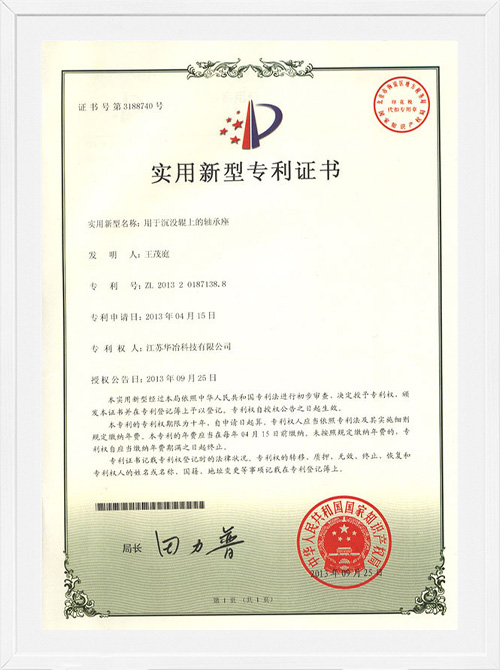
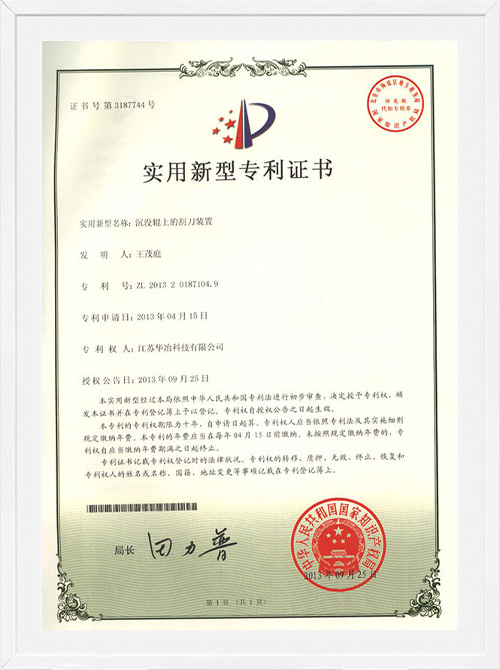
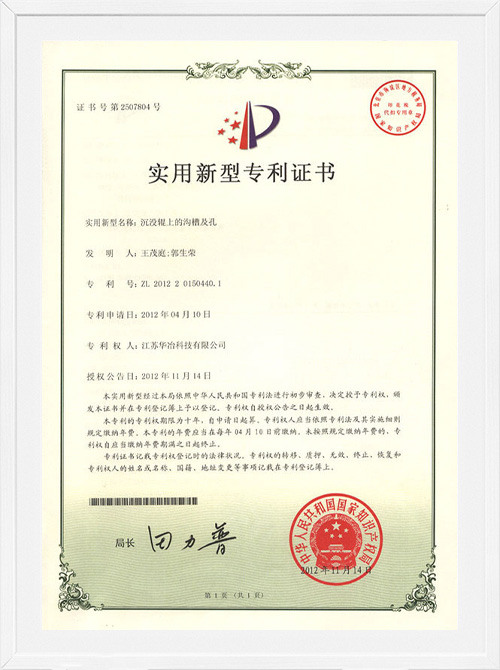
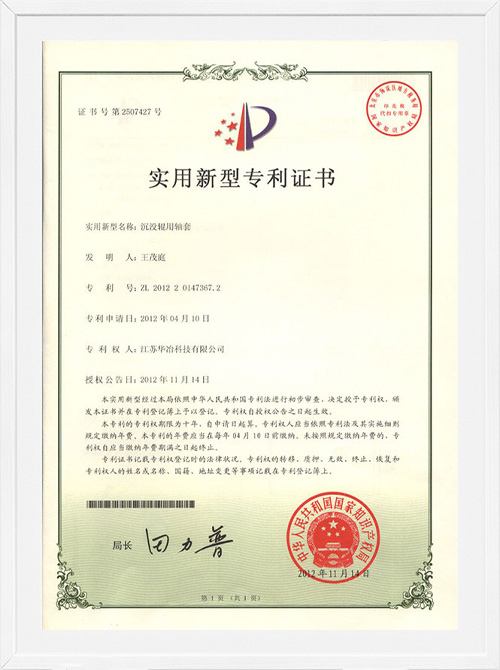
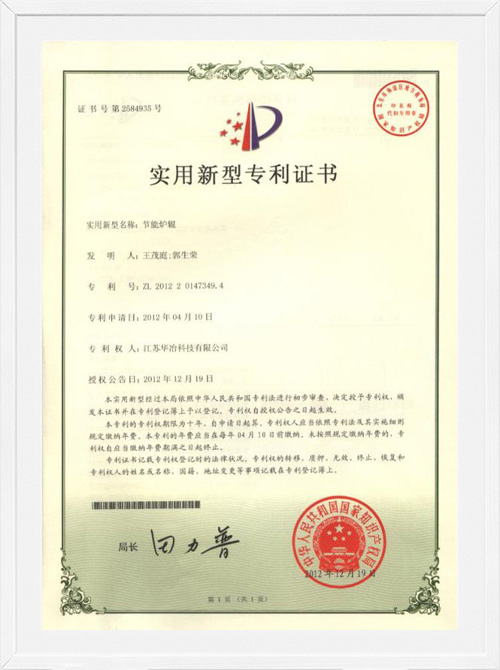
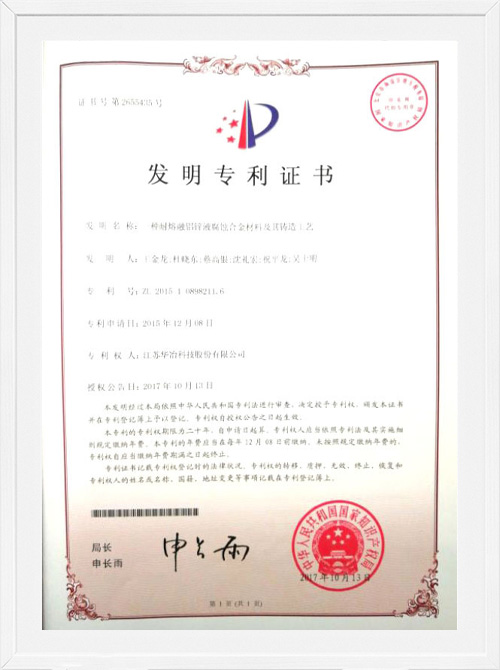
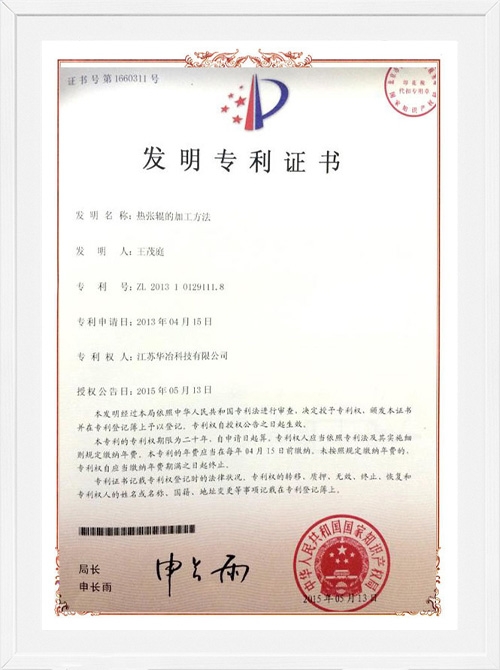
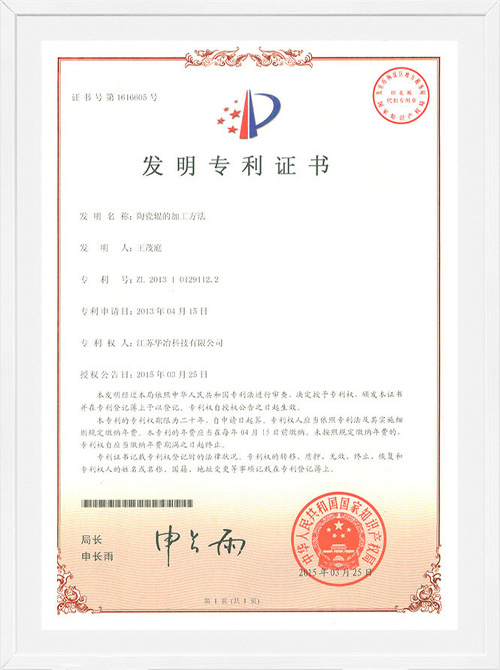
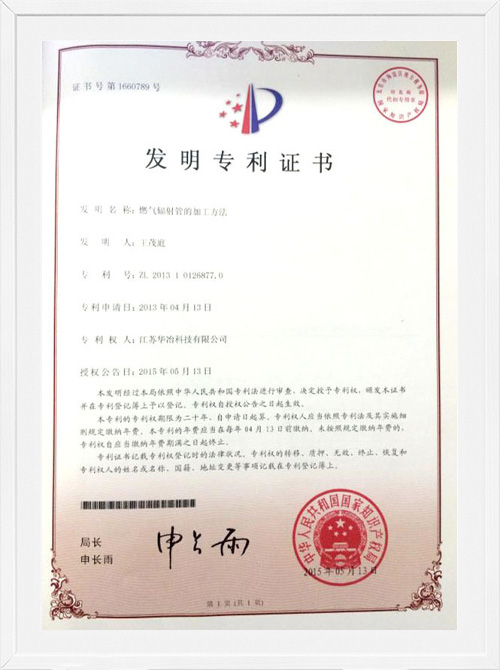
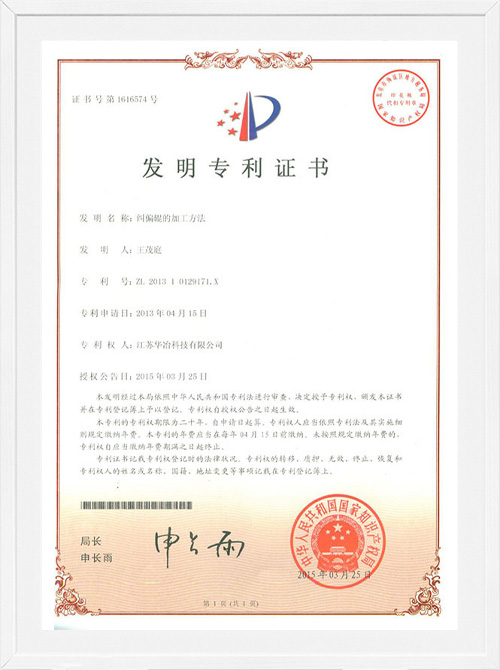
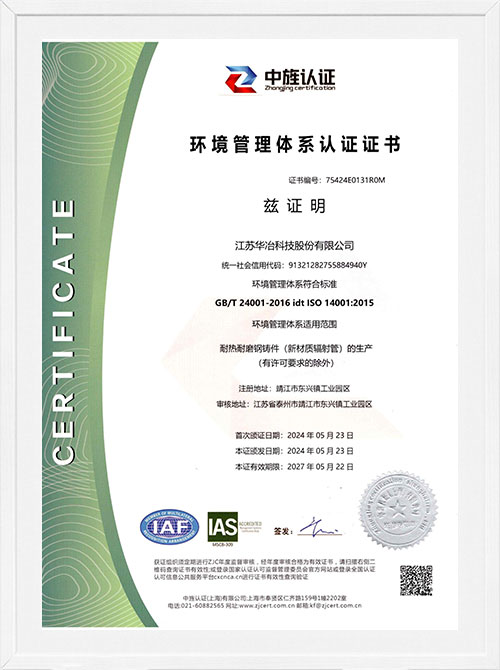
Within the landscape of modern manufacturing, casting stands as a core foundational process, fulfilling the critical function of transforming raw metal materials into objects of complex geometry. Through a change in physical state—where molten metal solidifies and takes shape within a mold—this process lays a solid foundation for subsequent machining operations and final product applications. Leveraging its deep-rooted manufacturing heritage and proprietary production facilities, Jiangsu Huaye Technology Co., Ltd. has accumulated extensive technical expertise in this specialized field.
I. Basic Attributes and Physical Characteristics of Castings
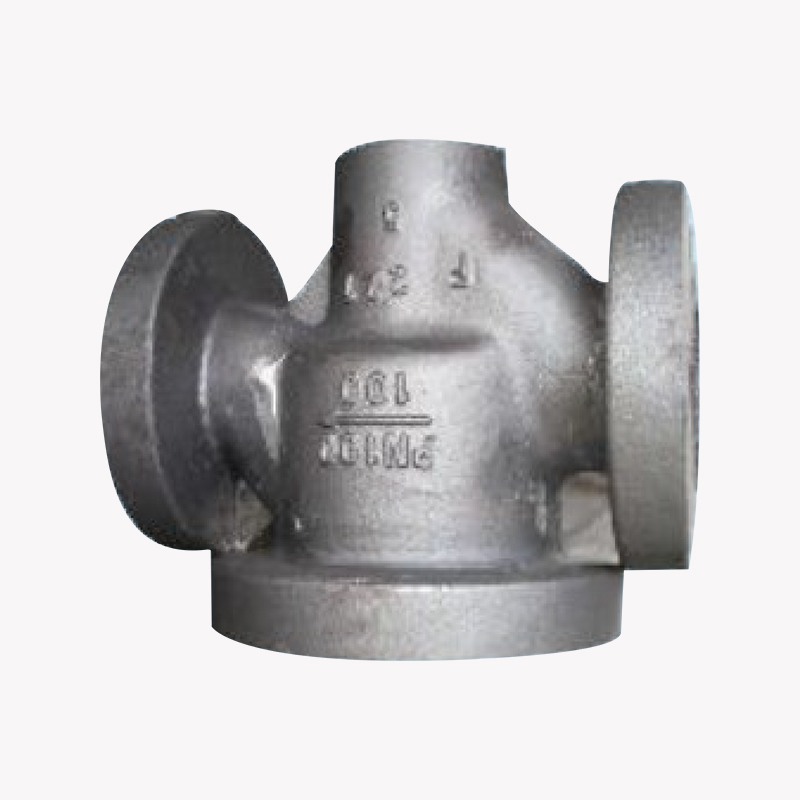
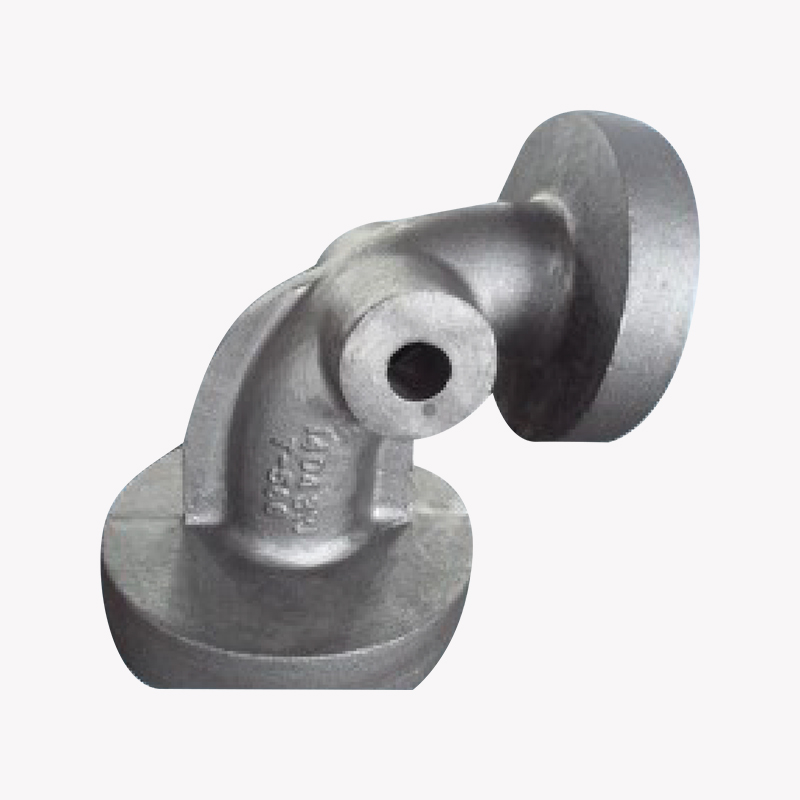
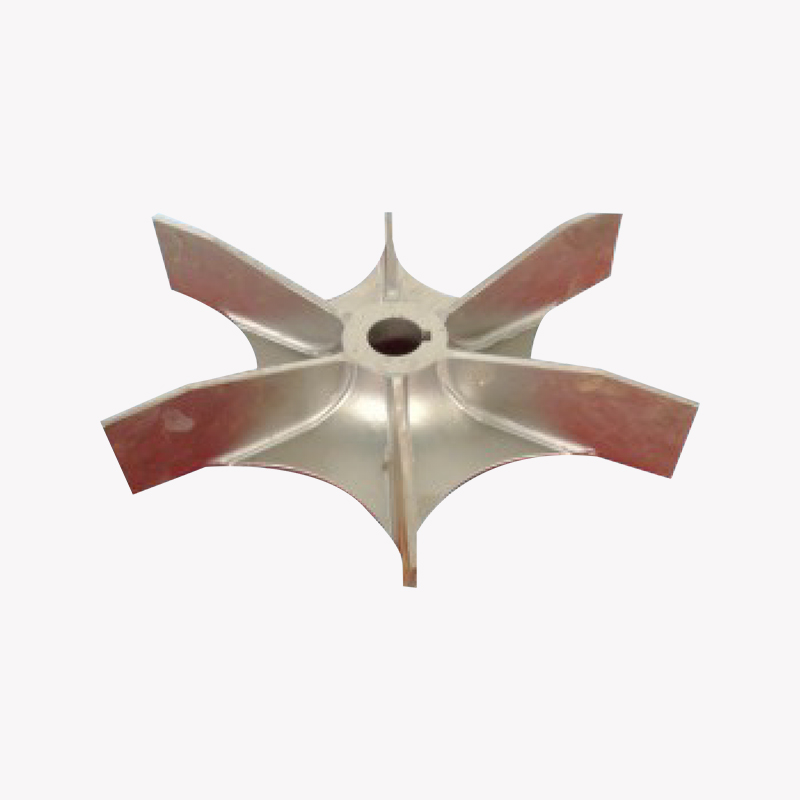
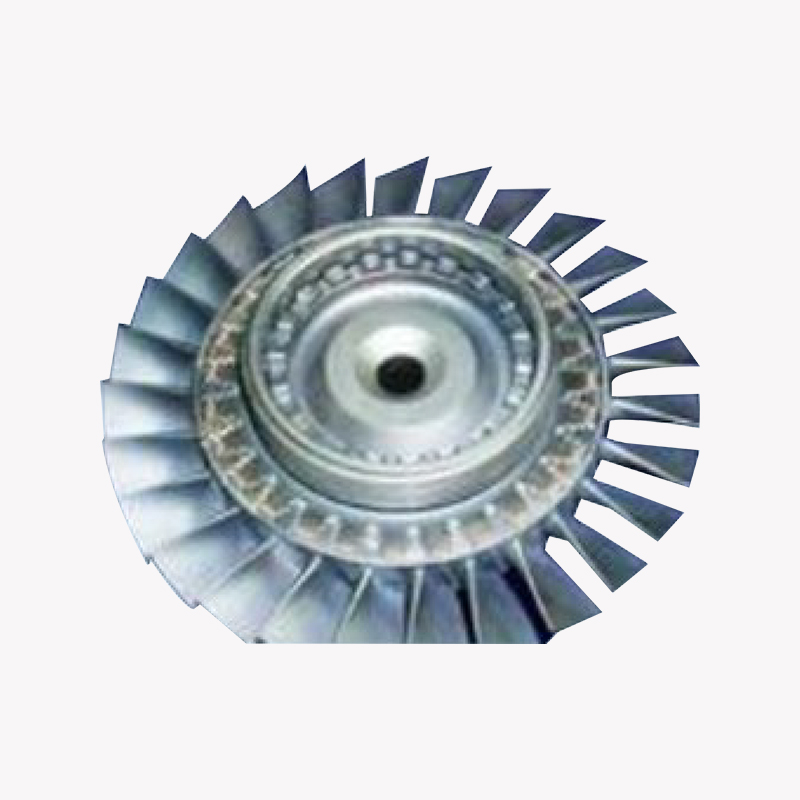
**Castings** refer to metal components produced by pouring molten metal into a pre-prepared mold cavity, allowing it to cool and solidify. As a fundamental link in the industrial supply chain, their significance is manifested across several key dimensions:
Geometric Complexity: The casting process enables the realization of intricate internal cavities and external contours that are often difficult to achieve through alternative manufacturing methods, such as forging or machining.
Material Versatility: Whether involving ferrous metals (such as gray cast iron, ductile iron, or alloy steel) or non-ferrous metals (such as aluminum alloys or copper alloys), casting serves as the primary method for obtaining their initial structural forms.
Structural Continuity: Since they are formed as a single, monolithic unit through pouring, castings possess an inherent advantage in terms of structural integrity, thereby minimizing the need for assembly welds.
II. The Manufacturing Process for Castings
**Casting Manufacturing** is a precision engineering process that draws upon principles of thermodynamics, fluid dynamics, and materials science. A complete production cycle typically encompasses the following core stages:
Mold Design and Preparation: Based on the intended end-use, an appropriate mold type is selected—ranging from sand molds and permanent metal molds to precision investment molds. The precision of the mold directly dictates the dimensional tolerances of the finished product.
Metal Melting and Composition Control: Raw materials are melted within high-temperature furnaces, while their chemical composition is rigorously monitored to ensure the desired mechanical properties are achieved in the solidified casting.
Pouring and Solidification Management: The filling velocity of the molten metal and its subsequent cooling rate are carefully controlled to prevent the formation of defects such as gas porosity, shrinkage cavities, or cracks.
Post-Processing Operations: These stages include shakeout (mold removal), cleaning, heat treatment, and surface finishing; their objective is to optimize the material's microstructure and enhance its resistance to corrosion or wear.
III. Definition of "Real Casting" in Industrial Practice
The concept of **Real Casting** places primary emphasis on the quality of the transformation from design blueprints to tangible physical output. In an industrial setting, it represents not merely the practical application of theory, but—more importantly—the ultimate test of the production environment and process control:
Microstructural Uniformity: Castings produced in a real-world manufacturing environment must ensure consistency in microstructure between the core and the surface, thereby preventing compositional segregation.
Dimensional Stability: Throughout their long-term service life, finished products must maintain a high degree of dimensional stability, remaining free from deformation caused by residual stresses.
Performance Alignment: It is essential to ensure that the actual performance characteristics of the physical product precisely align with the load requirements and operating conditions anticipated in the original design.
IV. Comparative Table of Casting Process Classifications
| Process Name |
Common Materials |
Surface Quality |
Production Efficiency |
Application Scale |
| Sand Casting |
Cast Iron, Cast Steel, Aluminum Alloys |
Relatively Rough |
Medium |
Large-scale Production |
| Investment Casting |
Stainless Steel, Heat-resistant Steel |
Extremely High |
Low |
Small Batch / High Precision |
| Die Casting |
Aluminum, Zinc, Magnesium Alloys |
High |
Extremely High |
Mass Production / Thin-walled Parts |
| Centrifugal Casting |
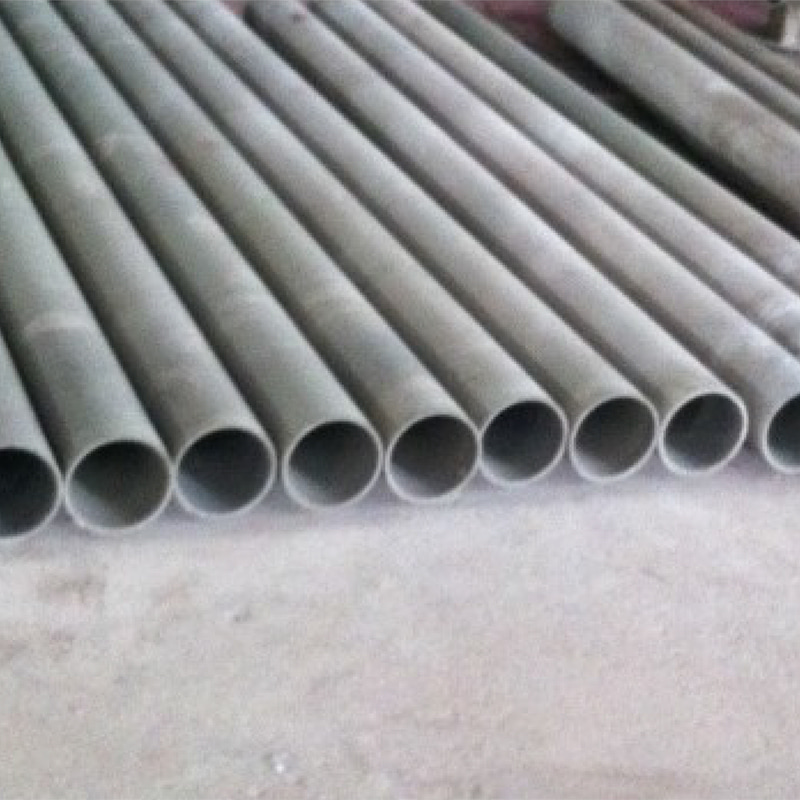
Tubular and Annular Parts |
Good |
High |
Specific Geometric Shapes |
V. Key Influencing Factors in Casting Production
Shrinkage Control: The volumetric shrinkage of metal as it transitions from a liquid to a solid state is inevitable; it must be counteracted through precise process design for feeding and solidification.
Flow Dynamics Management: The flow behavior of molten metal within the mold cavity influences the distribution of impurities and the formation of surface defects.
Heat Treatment Processes: Through processes such as annealing, normalizing, or quenching, the internal grain structure of the casting is adjusted to enhance its tensile strength and hardness.
VI. Frequently Asked Questions (FAQ)
Q1: How is the quality of castings assessed to ensure they meet standards?
Quality is typically verified through non-destructive testing (NDT)—such as ultrasonic flaw detection and X-ray inspection—to confirm the absence of internal porosity or shrinkage cavities, and through tensile and hardness tests to validate mechanical properties.
Q2: How can the scrap rate be minimized during the casting manufacturing process?
The key lies in the scientific soundness of the mold design, the consistency of the pouring temperature, and strict control over impurities in the raw materials.
Q3: What are the most common deviations between the actual casting and the original prototype design?
The most common deviations stem from non-uniform shrinkage during the cooling process; this requires process engineers to possess exceptional foresight and predictive capabilities regarding mold compensation values.
Q4: Why choose a manufacturer that possesses its own in-house machining facilities?
Enterprises like Jiangsu Huaye Technology Co., Ltd.—which integrate both casting and machining capabilities—can ensure that every stage, from the raw casting to the finished product, remains under closed-loop control. This approach not only optimizes costs but also guarantees the stability of the supply chain.
VII. Conclusion
Casting is far more than merely the melting and solidification of metal; it represents the culmination of materials science and precision manufacturing. In providing high-quality components, Jiangsu Huaye Technology Co., Ltd. consistently maintains deep control over its production processes, dedicating itself to resolving complex engineering challenges through sophisticated technical means. Whether producing standard industrial components or customized products with unique specifications, our profound industry expertise serves as the cornerstone for ensuring the reliability of every finished product.
 No. 308, Gongxin Road, Industrial Park, Dongxing Town, Jingjiang City, Jiangsu Province, China
 English
 Español
 русский
 中文简体
中文简体