No. 308, Gongxin Road, Industrial Park, Dongxing Town, Jingjiang City, Jiangsu Province, China
 [email protected]/ [email protected]
 English
 Español
 русский
 中文简体
中文简体 No. 308, Gongxin Road, Industrial Park, Dongxing Town, Jingjiang City, Jiangsu Province, China[email protected]/ [email protected]
Yes, radiant tube heaters are safe when they are installed, vented, and maintained according to the manufacturer instructions and local building codes. The word safe depends on three conditions: correct mounting, clean combustion, and a clear space around the hot tube. This article explains why the design of a radiant tube heater supports safety, what risks remain, and how to inspect the system yourself. It also covers industrial radiant tubes for furnaces, because they follow the same sealed-combustion principle under stricter material standards.
Content
A radiant tube heater burns natural gas or propane inside a long steel or alloy tube. The flame heats the tube wall, and the hot metal surface emits infrared radiation that warms people, floors, and machines directly instead of heating the air first. The combustion products are exhausted outside, or in fully sealed designs they remain inside the tube circuit.
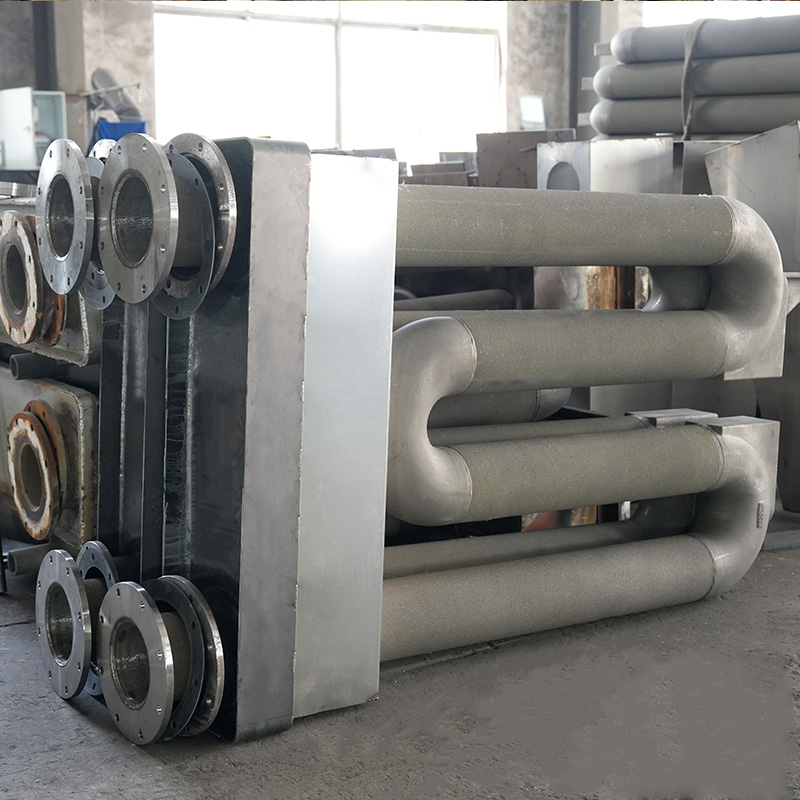
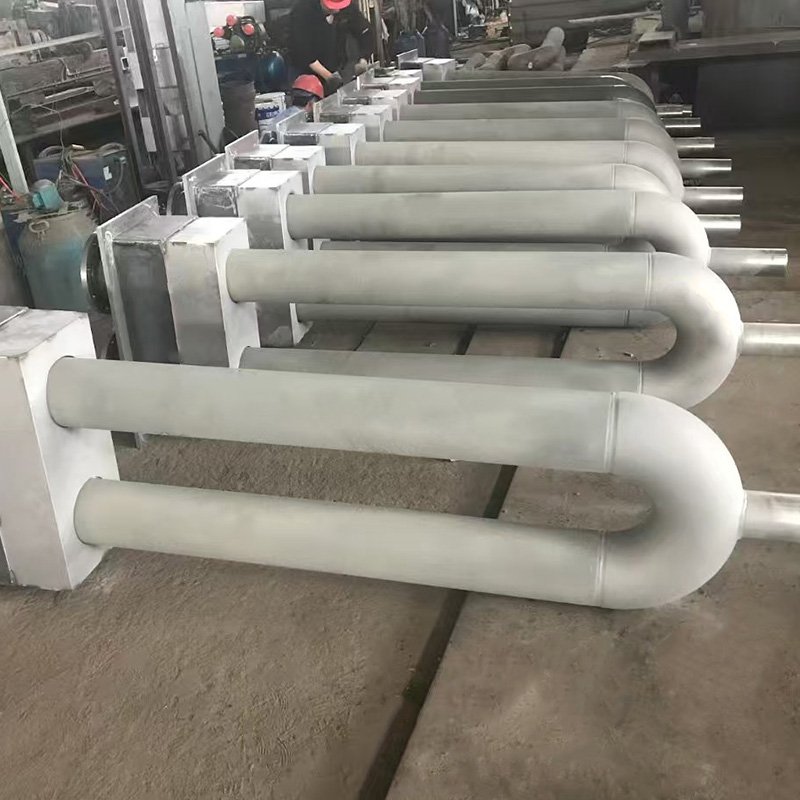
Two families are used in commercial and industrial buildings. Low-intensity tube heaters run at moderate surface temperatures and are common in workshops and warehouses. High-intensity models reach higher tube temperatures and require larger clearances. Industrial radiant tubes for furnaces are made from heat resistant alloys and shaped as U, W, I, or straight sections; the detailed guide to radiant tubes introduces these designs.
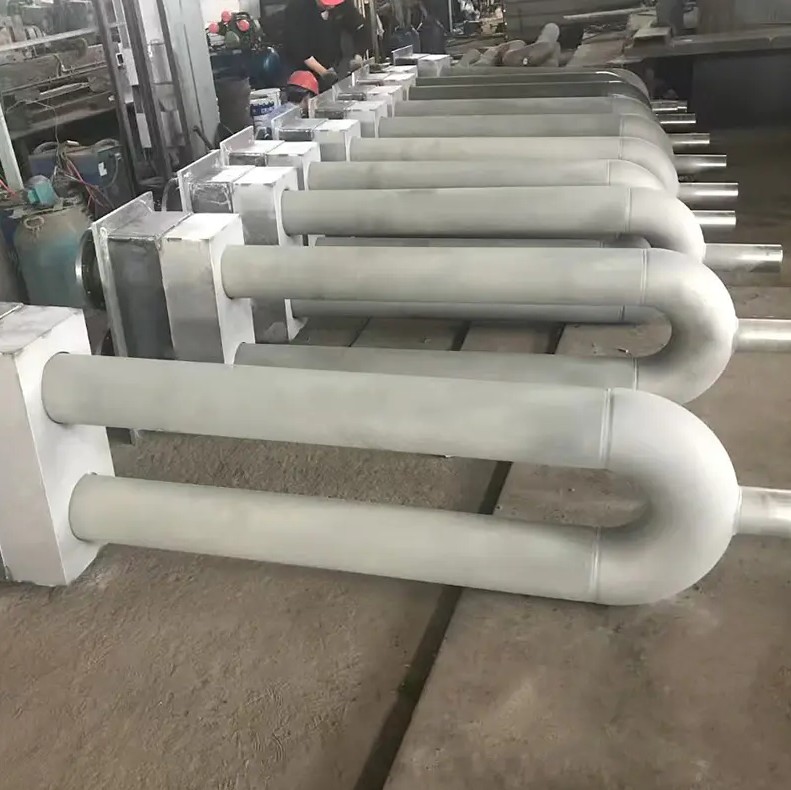
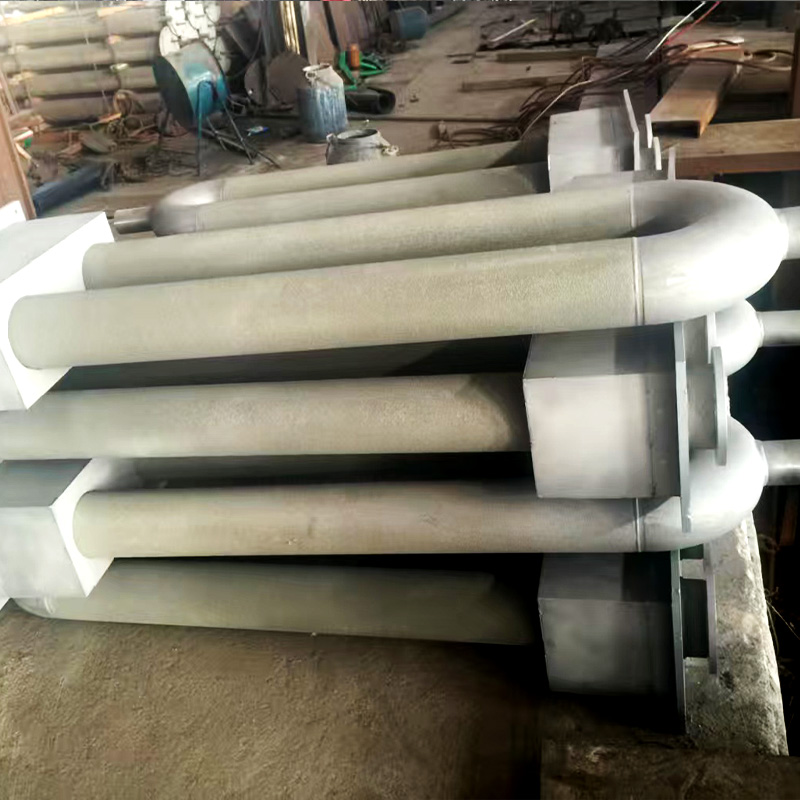 U-Shaped Radiant Tube for Industrial Heat Treatment FurnacesThis U-shaped radiant tube keeps fuel combustion products away from workpieces, using heat-resistant steel to radiate heat through the tube wall. Suitable for domestic or imported furnaces, with options like cage or spiral-wound elements.View Product →
Electric radiant tube heaters replace the gas burner with a heating core inside a metallic or ceramic outer tube. They produce no combustion gases at the point of use, which removes the carbon monoxide question entirely and makes the safety case simpler to evaluate.
The statement "radiant tube heaters are safe" is only true within a set of conditions. Four risks account for nearly every reported incident: carbon monoxide, clearance violations, surface burns, and gas leaks. Each risk is manageable with the practices below.
Every gas-fired radiant tube produces carbon monoxide during combustion. A correctly adjusted burner keeps the level inside the tube below dangerous thresholds, but a worn burner, a blocked vent, or a cracked tube can push combustion products into the room. Carbon monoxide is colorless and odorless, which is why manufacturers require an annual combustion analysis. In an enclosed garage or workshop, install a carbon monoxide detector and mechanical ventilation as a second line of defense.
The tube surface runs hot, typically from 400 C on low-intensity models to 800 C or more on high-intensity versions. A cardboard box placed within the required clearance zone will eventually ignite. Mounting height matters as much as side distance; low ceilings turn a safe heater into a fire risk. Always follow the clearance values printed on the nameplate of the exact model you own.
The radiant tube is exposed by design, so direct contact causes serious burns. Children, pets, and stored materials near the heater all face the same risk. Guards around the tube ends and a firm rule to keep a clear zone under the heater solve most problems.
Threaded gas connections, hoses, and the gas valve inside the burner housing can leak slowly without being noticed. Use a gas approved leak detection fluid or a digital combustible gas detector when the heater is first installed. The same check belongs on the annual service list.
The chart below models a gas radiant tube with a dirty burner, a blocked vent, and no mechanical ventilation in an airtight building. The carbon monoxide concentration rises quickly because the combustion products have nowhere to go.
At the two hour mark, the modeled room already exceeds the 70 ppm long-term exposure line shown on the chart, and by three hours the value approaches 350 ppm. At that level, healthy adults typically develop headache, nausea, and fatigue within one to two hours of continued exposure. The curve becomes steepest after two hours, which means the difference between a minor leak and an emergency is about thirty minutes. A properly tuned radiant tube with an open vent holds the carbon monoxide level in the space below 10 ppm even after several hours of operation. The practical takeaway is to install a CO alarm in the same room and to shut the heater off if the alarm sounds.
Clearance values are set by the tube surface temperature and the heater geometry. The numbers below are representative examples, not a replacement for the nameplate of the specific unit you buy.
| Position | Combustible materials | Non-combustible surfaces |
|---|---|---|
| Above the tube | 60 cm or more | 5 cm |
| Sides of the tube | 30 cm or more | 5 cm |
| Below the heater | 240 cm mounting height | 180 cm |
| Burner end | 45 cm or more | 5 cm |
Notice that combustible materials need far more space than non-combustible walls. The flue pipe and the burner compartment often require extra clearance at the burner end. If you move storage racks, re-measure the clearances before the heating season starts.
Gas radiant tube heaters are certified and tested before they reach the market. Certification marks cover combustion safety, gas train integrity, and flame sensing shutdown systems that stop the burner if the flame is lost. Industrial radiant tubes used in furnaces are typically pressure tested for leakage before shipment, and the alloy body is selected to resist oxidation at operating temperature.
Local installation codes govern vent placement, ceiling height, and gas line sizing. An installation that has not been inspected may still work, but you lose the protection of an independent check. Always keep the installation manual and the inspection certificate with the heater records.
A radar chart helps to show why radiant tube heaters are safe in a different way from other space heaters.
The radar chart compares a gas radiant tube heater, a forced air gas unit, and an electric infrared panel across six safety attributes, with the outer ring meaning the best outcome. The radiant tube leads on combustion containment because the flame is enclosed inside the metal tube. The electric panel leads on air quality and maintenance effort because it has no burner and no vent. The radiant tube scores lower on surface temperature because the tube is openly hot, while the forced air unit wins on that attribute because its grille stays cooler. Forced air scores lowest on combustion containment because the flame is open to the room air. For most workshops, the radiant tube heater offers the best overall balance, provided you respect the clearance discipline it demands.
Seasonal users should put the heater through a short checklist before the cold months. The inspection rhythm below reflects common manufacturer recommendations for gas radiant tube heaters used in workshops and warehouses.
The column chart shows how many times per year each safety component should be inspected. The tube seams and the vent path appear twice per year because both are exposed to thermal cycling and condensation, which can slowly open a seam or block a vent. The burner and gas supply line are annual items, as a combustion analysis and a pressure test are best performed together. Electrical controls are inspected least often because their failure mode is usually a nuisance shutdown rather than a hazard. Two checks per year on the vent protects against the most common field issue: a wasp nest or snow drift that changes a safe heater into a carbon monoxide source. Keep a written log with the date of each inspection and the measured carbon monoxide value.
| Component | Frequency | Main safety concern |
|---|---|---|
| Burner and gas valve | Annually | Incomplete combustion, carbon monoxide |
| Tube seams and welds | Every 6 months | Hot gas leakage |
| Vent openings | Every 6 months | Blockage and exhaust reversal |
| Gas supply piping | Annually | Leaks at threaded joints |
| Mounting hangers | Every 6 months | Misalignment and lost clearance |
Do not try to repair a cracked radiant tube with high temperature tape. Any leak in the tube wall or in a welded seam is a reason to replace the tube section. For furnace operators who need spare radiant tube elements, replacement straight pipes are produced in the same alloy as the original.
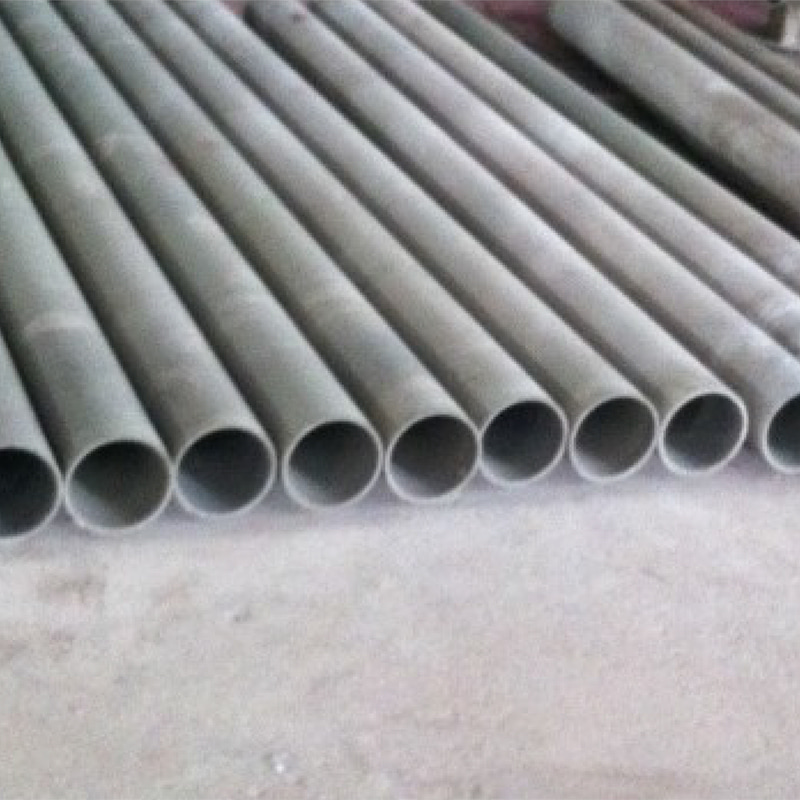 Straight Radiation Tube Replacement Element for High-Temperature FurnacesA replacement straight pipe made from precision-cast high-temperature alloy, designed to maintain seal integrity through thermal cycling. Ideal when a cracked or leaking radiant tube section must be swapped out in industrial kilns.View Product →
Radiant tubes used inside industrial furnaces are the high temperature cousins of the workshop heater. A gas or electrically heated tube inside a heat treatment furnace contains the combustion products or transfers heat through a sealed alloy sheath. Safety for industrial equipment depends on material selection as much as installation practice. Alloy composition, wall thickness, and fabrication quality decide whether a tube keeps its seal through thousands of thermal cycles.
Electric radiant tubes with a metallic outer shell and a built-in heating core are used in hydrogen atmospheres and other furnace atmospheres where an open flame is not allowed. Ceramic tubes resist high temperature corrosion in specialized processes. The common denominator is a leak tested envelope around the heat source, which is the same safety logic that keeps a shop heater safe.
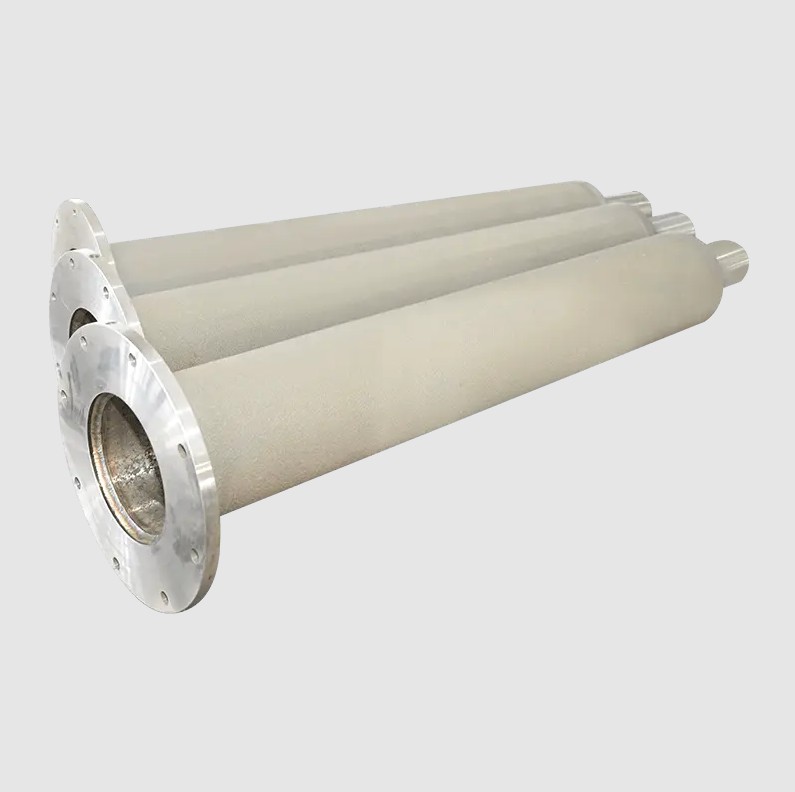
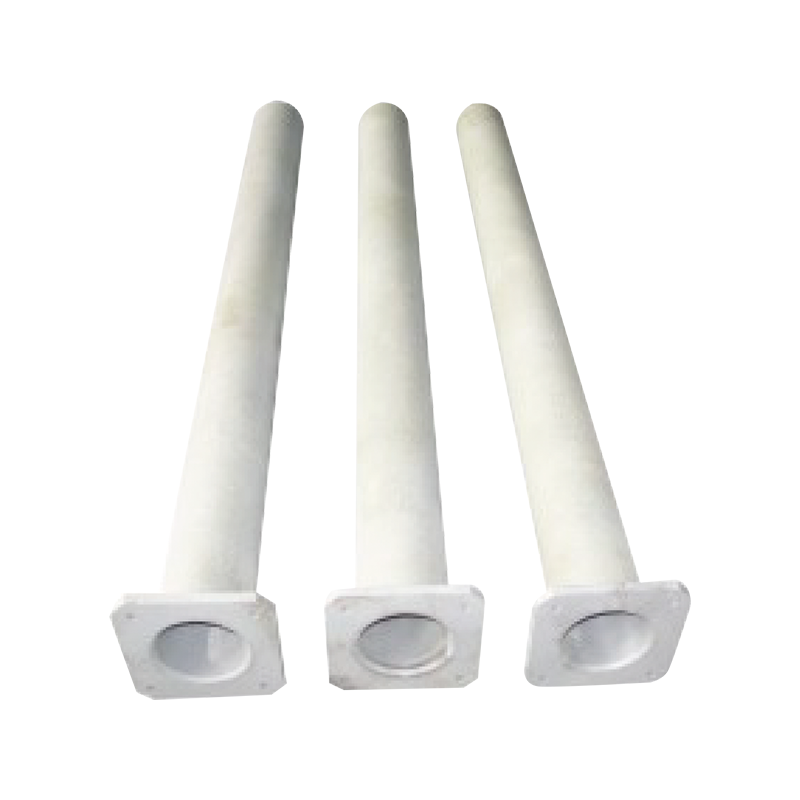 Electric Radiation Outer Tube with Protective Sleeve for Furnace HeatingThis electric heating tube encloses a resistance wire in a heat-resistant steel sleeve, allowing safe operation in hydrogen or other controlled atmospheres. Replaceable at work, it supports furnace power adjustment and uniform heat distribution.View Product →
If you operate a furnace and need to specify replacement radiant tubes, send your drawings to our engineering team and they will confirm the alloy and wall thickness for your atmosphere and temperature range.
Radiant tube heaters are safe, but safety is never a property of the appliance alone. It is a property of the appliance plus the installation plus the maintenance. The checklist below summarizes everything covered in this article.
Follow these six items, and a radiant tube heater is one of the most forgiving heating systems you can install in a workshop, warehouse, or production line.
We will reply to you as soon as possible.
 custom alloys for sale
wholesale different alloys
custom alloys for sale
wholesale different alloys