No. 308, Gongxin Road, Industrial Park, Dongxing Town, Jingjiang City, Jiangsu Province, China
 [email protected]/ [email protected]
 English
 Español
 русский
 中文简体
中文简体 No. 308, Gongxin Road, Industrial Park, Dongxing Town, Jingjiang City, Jiangsu Province, China[email protected]/ [email protected]
Yes, radiant tube heaters are efficient, and in high-bay industrial buildings they are often the most fuel-effective option available, but the rating that matters is not the one printed largest on the brochure. Consider a distribution warehouse with 40 foot ceilings and dock doors that open fifty times a day. Forced-air units fill the entire volume with warm air, the warmest air stratifies against the roof deck, and every door cycle pushes paid-for heat outside. A gas-fired radiant tube takes a different route: a long alloy tube suspended overhead runs hot and radiates infrared energy downward, so floors, racking, machines and workstations become the heat reservoir. Air temperature can sit several degrees lower while people feel just as comfortable. Published field comparisons regularly show 30 to 50 percent fuel savings over forced-air systems in exactly these conditions. The sections below explain where those numbers come from, what erodes them, and how to keep them working for you.
Content
Two separate numbers describe efficiency, and confusing them causes most buying mistakes. Thermal efficiency, sometimes called combustion efficiency, measures how much fuel energy the burner transfers into the tube before gases leave through the flue. Most approved low-intensity tube heaters land between 75 and 82 percent on this measure, and recuperative burners that preheat combustion air push the figure higher. Radiant efficiency is different: it measures the share of total input that actually leaves the fixture as useful downward radiation. Independent testing under AHRI Standard 1330 places downward radiant efficiency near 60 percent for a unit with new, untarnished reflectors. The remaining 40 percent warms roof air or exits the flue, which is why layout and reflector condition decide whether nameplate efficiency ever reaches the shop floor.
| Metric | What it measures | Typical value | What it means for your fuel bill |
|---|---|---|---|
| Thermal efficiency | Share of fuel energy absorbed by the tube before the flue | About 75 to 82 percent | Sets the ceiling for total efficiency but does not guarantee comfort savings |
| Downward radiant efficiency | Share of input energy delivered as useful downward radiation | About 60 percent with clean reflectors | The balance is lost upward, so reflector care and layout decide real savings |
Where the fuel energy goes in a typical low-intensity radiant tube heater
The columns translate a typical fuel input into its three destinations. The first column shows the useful share: about 60 percent of input leaves as downward radiation when reflectors are clean and correctly aimed. The middle column gathers upward radiation and casing losses that warm the roof structure instead of the work area. The third column is the flue stream, the portion that no layout change can recover. A dusty reflector or a tube that has grown a thick oxide layer quietly moves percentage points from the first column into the second. That is why two heaters with identical nameplate ratings can post very different gas bills in the same building.
Efficiency shows up in the physics before it shows up on a bill. Infrared energy travels in straight lines and converts to heat when it strikes a surface, so a radiant tube warms the floor slab, racking, vehicles and people directly instead of heating a column of air. Because comfort comes from surfaces rather than air temperature, the thermostat setpoint can usually sit two to four degrees lower, and each degree of air setback is commonly credited with roughly 3 percent heating energy savings. There are no ducts to leak and no fan motors to run. Heat also concentrates where work happens, so an inactive aisle can be held at standby. Add fast recovery after door cycles, and the operating advantage compounds through an entire heating season.
Reported fuel savings versus forced-air heating, by building type
The bars summarize savings ranges reported in published case studies and manufacturer field data for buildings converted from forced air to radiant tube heating. Aircraft hangars lead because enormous volumes and giant doors exaggerate every stratification loss that radiant heat avoids. Warehouses and distribution centers follow closely for the same structural reasons. Metal manufacturing shops and auto service garages post moderate figures since process equipment and smaller volumes leave fewer losses to recover. Large retail spaces still save, but lower ceilings and steady occupancy shrink the gap. Treat every bar as a midrange expectation, because layout quality and maintenance decide where a specific project finally lands.
A standard gas unit heater can match a radiant tube on the combustion number, often near 80 percent, so the real comparison happens inside the building. Forced-air units suit lower ceilings, quick-recovery zones and budgets that cannot absorb longer tube runs and clearance planning. Radiant tube systems pull ahead as ceiling height grows, as dust control matters and as zoning becomes valuable, because still air and targeted beams deliver comfort with less fuel. The trade-offs are real: tubes need mounting height, clearance to combustibles and a reflector cleaning schedule, and a careless layout can waste the theoretical advantage. Weigh the criteria below rather than a single efficiency percentage.
Heating approaches compared across five practical criteria, scored 0 to 10
Gas-fired radiant tube Forced air Electric infrared
The radar chart scores three approaches from 0 to 10 on five practical criteria, and the ratings are qualitative screening values rather than laboratory results. The red polygon of a gas-fired radiant tube stretches toward energy efficiency, zone control and comfort, which is exactly where high-bay fuel money goes. Forced air holds its shape on installation cost and maintenance simplicity, reflecting simple hardware and widely available service skills. Electric infrared shares the zoning and comfort strengths and posts the easiest maintenance profile, but electrical infrastructure and element cost weigh on installation. A polygon that extends toward running-cost criteria tends to pay back in buildings with long heating seasons and high fuel prices. Match the shape of the chart to your building before you compare quotes.
A radiant tube system degrades quietly. Combustion scale and airborne dust dull the reflector finish, and oxidized tube surfaces change emissivity, so less energy lands where it was aimed. Efficiency also suffers if a positive-pressure tube leaks furnace gases into the space or a burner drifts out of tune. None of this triggers an alarm, and the first symptom is usually the gas bill.
Downward radiant efficiency over ten years of service, two maintenance scenarios
Neglected system Annual cleaning and tuning
The two curves illustrate how downward radiant efficiency typically drifts over ten years of service. The red curve assumes no reflector cleaning or burner tuning: the system slides from about 60 percent at commissioning toward the low forties as dust and oxide accumulate. The gray curve assumes annual cleaning and tuning, where efficiency dips slightly and then holds. The gap between the curves after a decade is roughly ten points of radiant efficiency, which is fuel purchased for no comfort in return. The encouraging part is that most of the loss is recoverable, because reflector cleaning and burner service cost little against the fuel they restore.
Placement rules decide whether rated performance ever materializes. Put heat where the cold is: doors, docks and fixed workstations deserve first coverage. Mount tubes high and aim them at large thermal mass, because a heated floor returns warmth long after the burner cycles off. Two-stage or modulating burners with setback controls prevent the short cycling that wastes fuel in oversized single-stage units. When a tube does reach end of life, restoring original efficiency depends on the replacement surface, and in atmosphere-sensitive furnaces electric radiant tubes place the heating element inside a protective outer tube whose quality sets radiant output and service life.
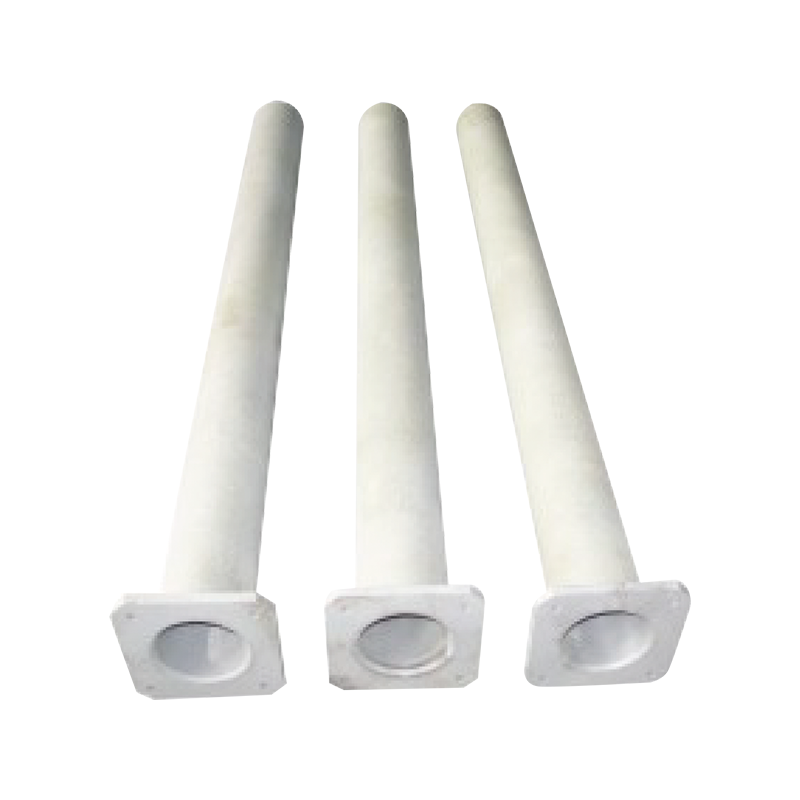 Electric Radiation Outer Tube for Protective Heating ElementsPlacing an electric heating element inside a protective outer tube keeps combustion and elements away from the controlled atmosphere. This replacement tube sets radiant output and service life when atmosphere-sensitive furnaces need end-of-life tube restoration.View Product →
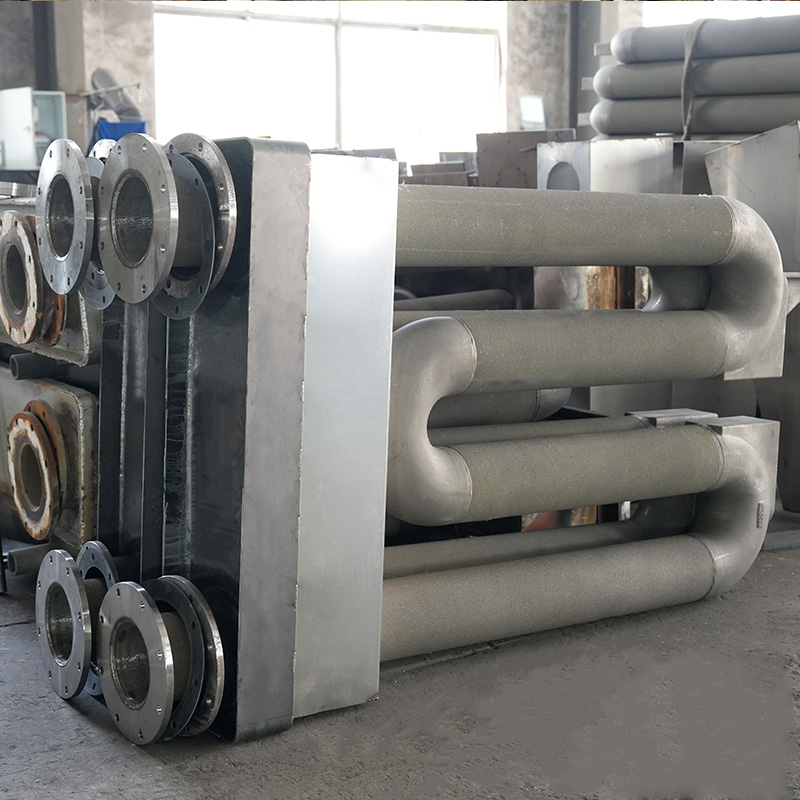
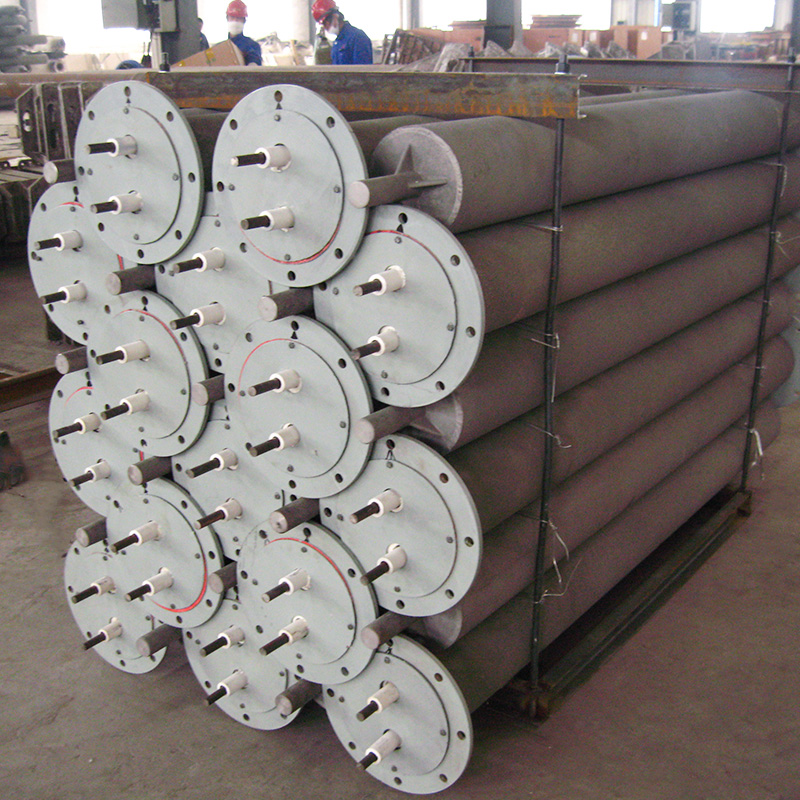
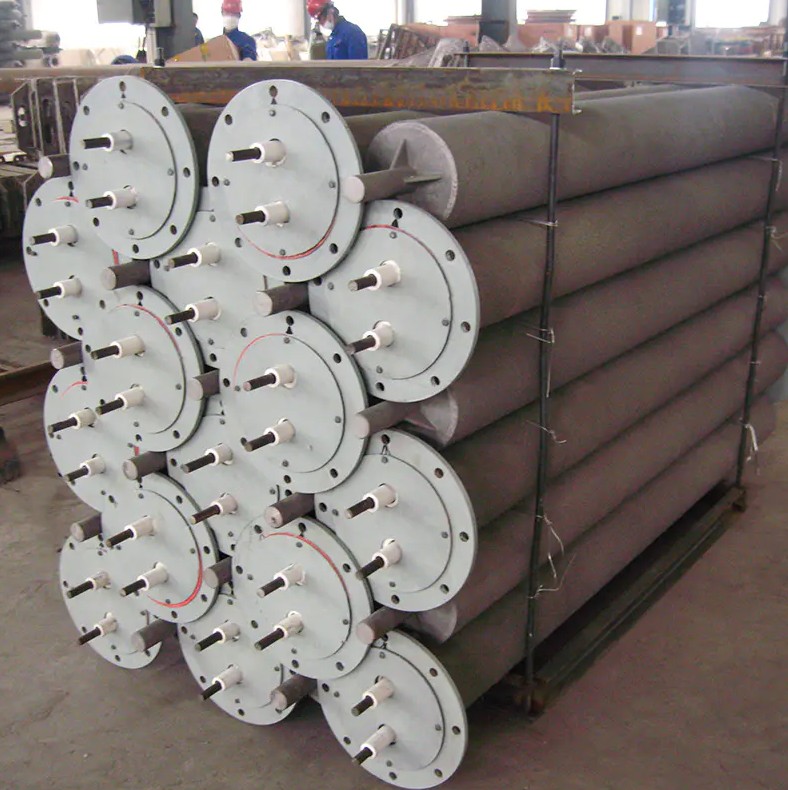
Beyond space heating, radiant tubes are working components inside industrial furnaces, and efficiency there is an engineering property rather than a comfort claim. On continuous galvanizing lines, annealing furnaces and heat-treatment lines, combustion must never touch the product or the controlled atmosphere, so the flame burns inside a sealed heat-resistant alloy tube and the tube itself becomes the radiator. Geometry controls how much of that heat is harvested, because tube shape sets the length of the gas path against the furnace footprint.
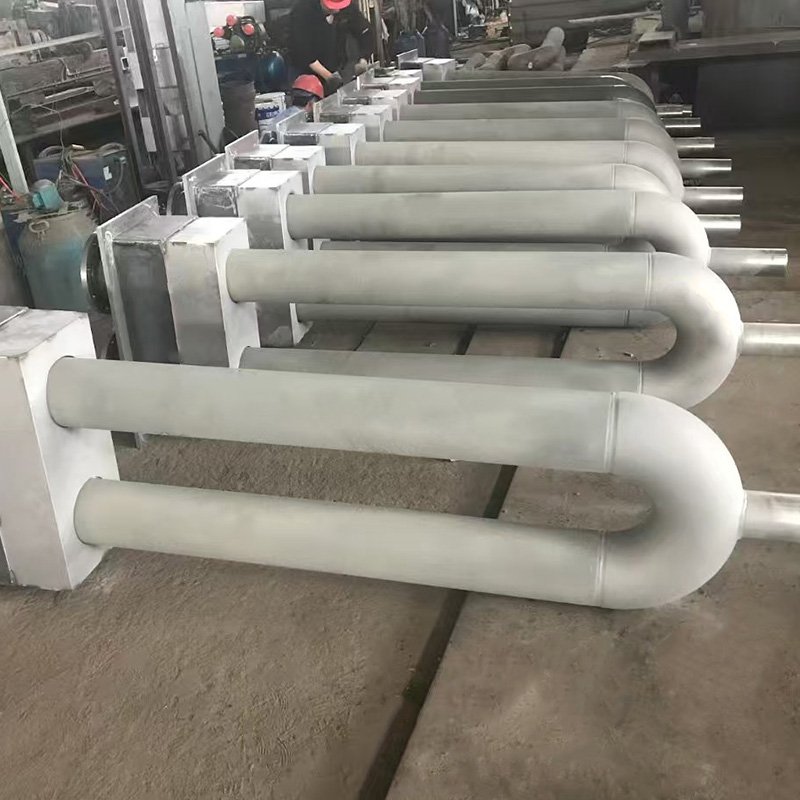
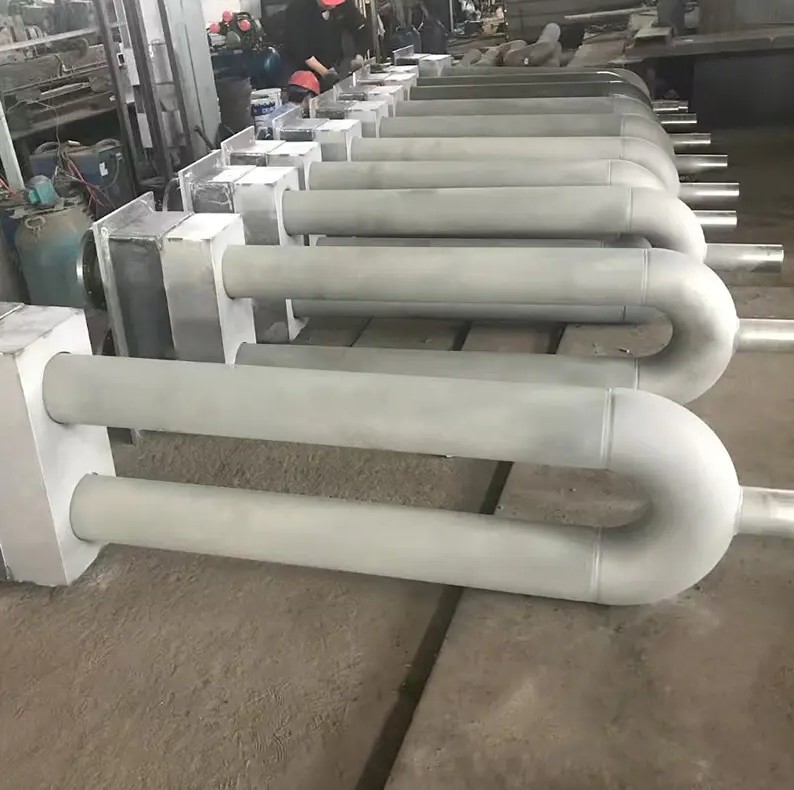
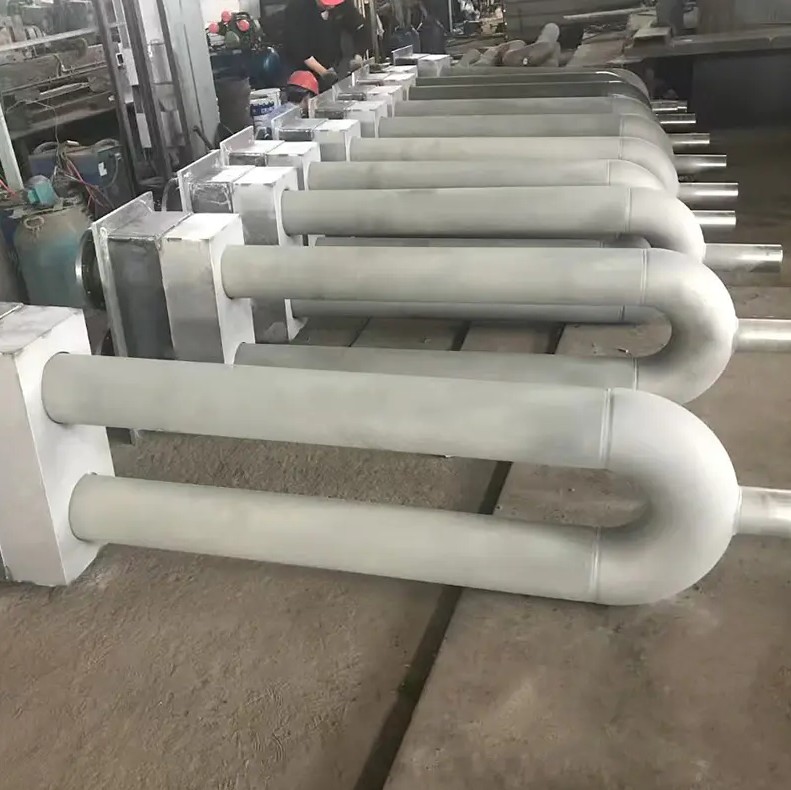
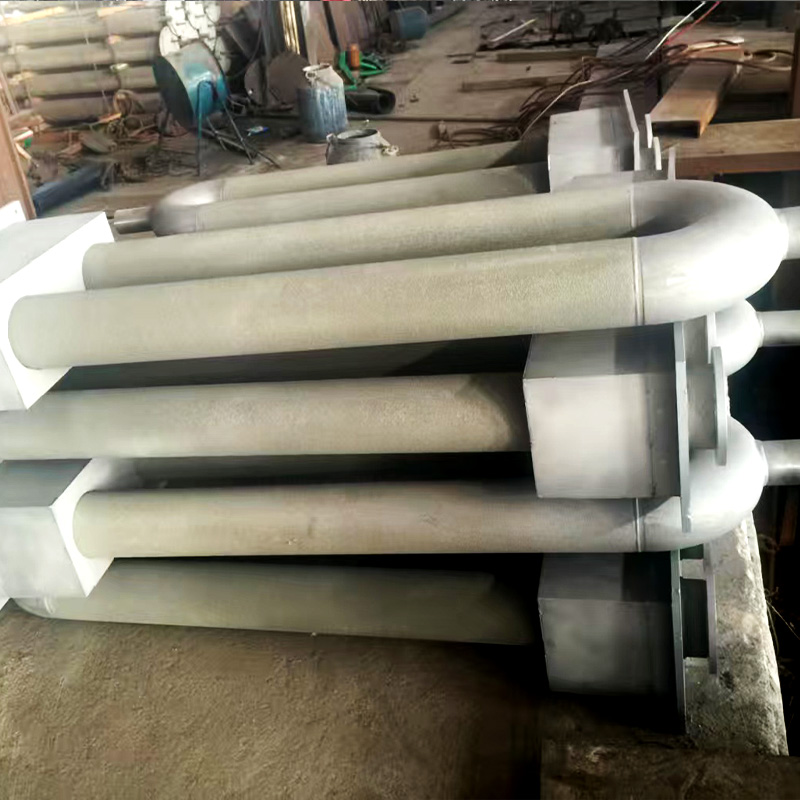 U-Shaped Radiant Tube for Industrial FurnacesA U-shaped tube keeps combustion products sealed away from the workpiece while radiating heat through the tube wall. Its balance of heat transfer and straightforward mid-life replacement suits furnaces with regular service windows.View Product →
A U-shaped tube balances strong heat transfer with straightforward mid-life replacement, which makes it a common choice for furnaces that see regular service windows. A W-type tube folds an even longer combustion path into a compact housing, letting the furnace walls absorb more energy before exhaust and lifting overall heat utilization in tight installations.
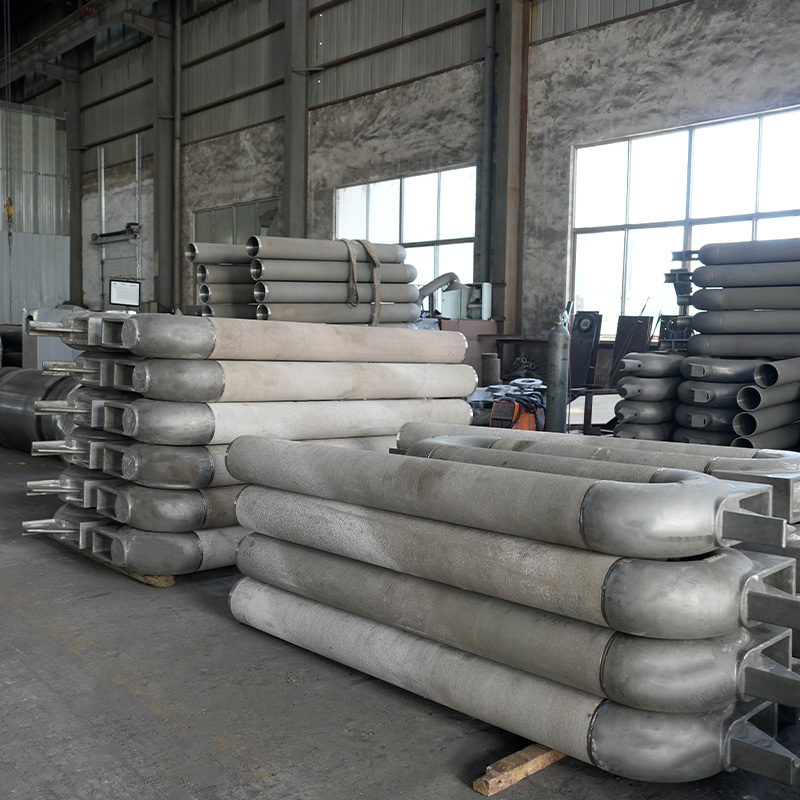 W-Type Radiant Tube with Long Combustion PathThe W-type design folds a longer combustion path into a compact housing, letting furnace walls absorb more energy before exhaust. Its reliable sealing and easy installation also support controlled-atmosphere heating in tight installations.View Product →
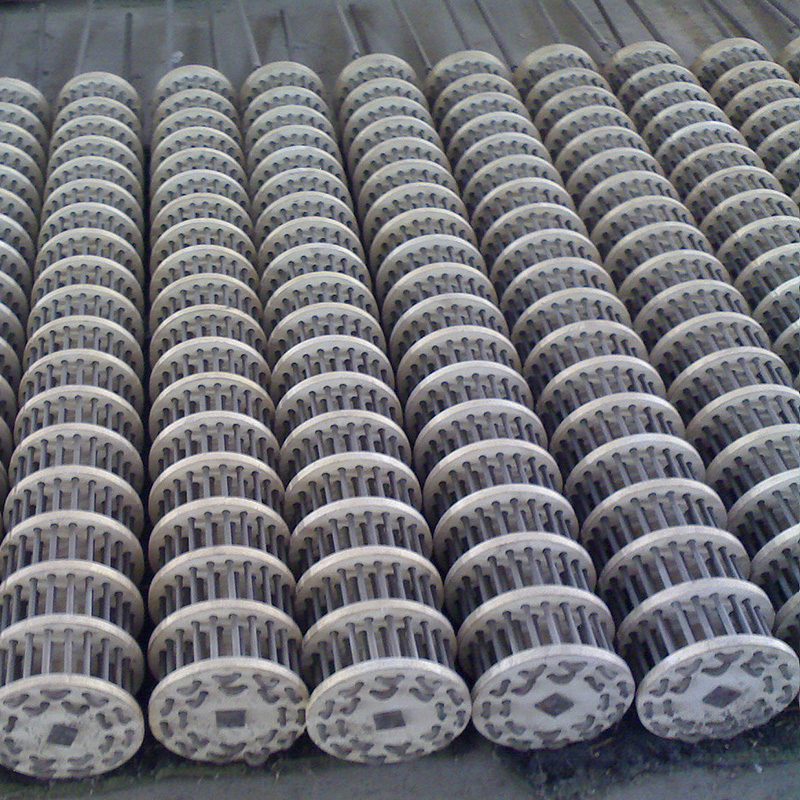
Tube material then sets the temperature ceiling and the oxidation life, and properly cast heat-resistant alloys hold surface emissivity far longer than thin rolled sheet. Special ceramic tubes extend performance into temperature ranges that push metal tubes to their limit. For a component-level walkthrough of tube types, materials and failure modes, this detailed introduction to radiant tubes is a useful next step.
The verdict is simple: radiant tube heaters are efficient in the right building and disappointing in the wrong one. High ceilings, frequent door traffic, dust-sensitive work and zoned schedules all favor them, while tight clearances, low ceilings and neglected maintenance erode the advantage. Before signing a purchase order, work through this checklist.
Finally, remember that a radiant tube is an engineered consumable, not a commodity. Wall thickness uniformity, alloy quality and burner pairing decide whether efficiency survives thousands of heat cycles, which is why established manufacturers of heat-resistant alloy components, furnace rollers and complete industrial furnaces back their tubes with process control certified to ISO 9001. If you are weighing tube materials or replacement parts for a furnace project, contact our engineering team for a specification review before you buy.
We will reply to you as soon as possible.
 custom alloys for sale
wholesale different alloys
custom alloys for sale
wholesale different alloys