No. 308, Gongxin Road, Industrial Park, Dongxing Town, Jingjiang City, Jiangsu Province, China
 jshuayekeji@163.com/ alex@cnboaoxcl.com
 English
 Español
 русский
 中文简体
中文简体
Heat-resistant steel precision castings refer to steel components designed to operate under high-temperature conditions. The development of these castings is closely tied to technological advancements across various industrial sectors, such as power plants, boilers, gas turbines, internal combustion engines, and aerospace engines. Due to the varying temperatures, stress conditions, and operational environments encountered by different machinery and equipment, the types of steel used also differ accordingly.
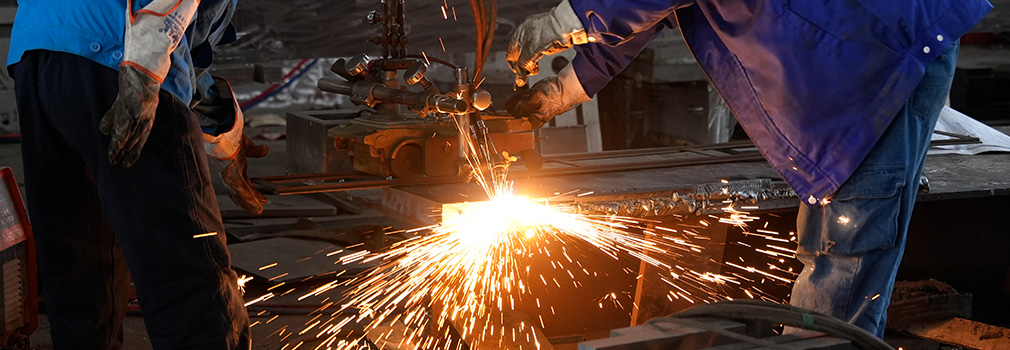
To enhance the high-temperature oxidation resistance of steel, alloying elements are added to alter the structure of the oxide layer. Common alloying elements include chromium, silicon, and aluminum. These elements react with oxygen to form dense and stable oxide layers, such as Cr₂O₃, SiO₂, or Al₂O₃, on the surface of the steel, creating a passivation barrier that protects the steel from further oxidation. While higher additions of chromium, silicon, and aluminum can significantly improve high-temperature oxidation resistance, excessive amounts of silicon and aluminum may deteriorate the mechanical properties and processability of the steel. Therefore, heat-resistant steels typically employ chromium as the primary alloying element, with silicon and aluminum serving as supplementary additions. In summary, the high-temperature oxidation resistance of steel is primarily determined by its chemical composition.
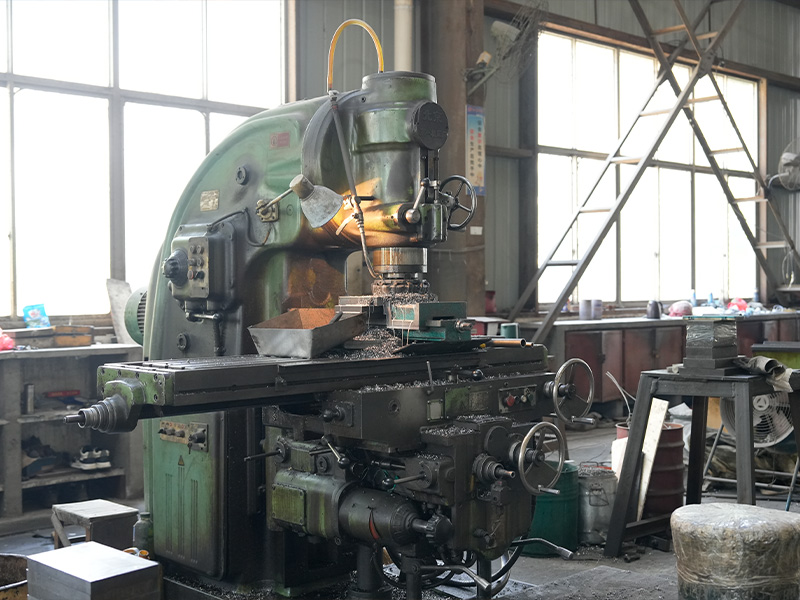
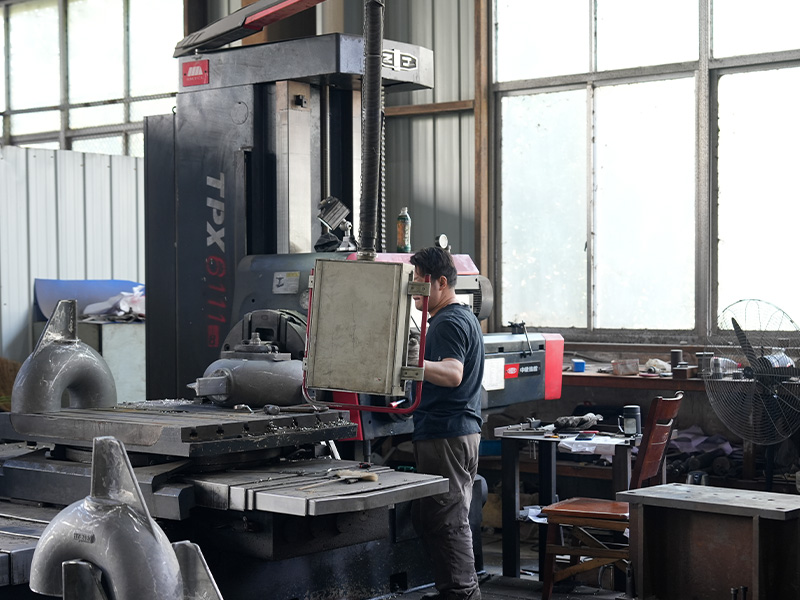
Cast steel components play an irreplaceable role in applications involving significant stress and impact, especially in fields such as mechanical manufacturing, metallurgical and chemical industries, transportation, aerospace, and aviation, where they are extensively utilized.
We will reply to you as soon as possible.
 custom alloys for sale
wholesale different alloys
custom alloys for sale
wholesale different alloys